Are you thinking about installing a heat pump? If so, you’ll probably have lots of questions, but the most common one about an installed air source (also known as “ground source”) heat pump will likely be how long the installation will take! Unfortunately, it’s hard to give you an exact answer since there are many factors that affect the time frame the air source heat pump installation process in a residence but one thing is certain, by hiring experienced professionals, you will save yourself a lot of time, headache, and money.
Answer: Typically 1-3 Days
The majority of homes will have a basic air source heat pump installed within one to three days. The installation of a simple air-source heat pump in a house that already has pipes installed, will typically fall into the shorter end of this time frame.
However, if the installers find they need to upgrade any part of your heating system, install new radiators, change electrical connections, etc., the building will need more time to be completed than expected due to any number of reasons unique to the home being remodeled or built.
What happens before the installation day?
The actual air source heat pump installation is only part of the process. Before equipment is delivered, a professional performs a property evaluation, or survey, to calculate heat loss, size the system and check insulation levels.
The survey can take between one and three hours based on the size of the building. Afterwards, the installer creates the design, recommends the right unit and then schedules the installation. In many cases, people wait longer for the installation day than it will take to install it.
Day 1: Locating the Main Equipment
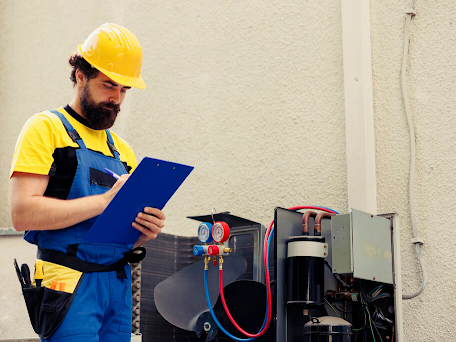
On the first day of your air source heat pump installation process, the installer will place the outdoors unit and prepare the indoor components, and will complete the piping routes and connect the major component of the system.
An outdoor air source heat pump requires approximately one square meter of space and an adequate amount of clearance around the unit for proper airflow. Selecting the correct position will help the system run more efficiently and make any future maintenance easier.
The day after the crew has completed their setup of equipment, it’s time to connect the equipment to your existing plumbing and electrical systems. This is the stage where the heat pump becomes connected to your heating and hot water systems.
At this point in time, your installers will be filling your system with water, performing a pressure test, and checking each & every connection within the system. While these checks may seem like basic procedures, they are extremely important for ensuring that your new heating system will work properly for years to come. Therefore, spending a few extra hours here can save you from having major issues down the line.
When Will It Take Longer To Install?
Older houses often take longer to install. A house with old pipe work, old radiators or as much electrical capacity limits will likely require upgrades so that the heat pump will work efficiently.
Additionally, larger houses will require more time to install than smaller ones. There is simply more planning and balancing of the system required for a five-bedroom house than it takes for an average two-bedroom house. Consequently, the installation process can take from 4 to 5 days to complete when more than 1 zone will require heating.
Making Sure Everything Is Just Right
After finishing the project, the installer will configure and calibrate the system, making sure that the heat pump will run correctly and will be calibrated properly for the desired temperature when the heating demand arises.
The homeowner will receive instructions on how to operate, set the timer, and maintain the unit. It would take about 20-30 minutes for the homeowner to learn how everything works; this will greatly reduce their energy consumption for the year.
How to Pick an Installer Who Will Save You Time
An organized installation team will save you many hours through efficient work; the installation crew will have a well-documented installation plan with the correct tools and the design they want installed.
For experienced tradespeople, EHS has a strong reputation for their installations of heat pumps and for providing energy-efficient heating solutions. A good installation team will be able to keep the project moving and help minimize delays from planning issues.
So, How Long Should You Expect?
For the average household, setting aside one to three days is a realistic expectation. Some projects finish faster, while larger or more complex homes may need extra time for upgrades and testing.
The good news is that a heat pump installation rarely turns into a weeks-long disruption. With proper planning and qualified specialists on site, most homeowners are surprised by how quickly the system goes from a delivery on the driveway to a fully operational part of the home.