Veterinary medicine is no longer just about treating ailments; it is about precision, proactive health management, and the seamless integration of sophisticated technology. The standards defining a top-tier clinic have shifted dramatically over the past decade. As practitioners, we are moving away from reactive medicine toward a model defined by early intervention and specialized expertise. This transition is not simply a response to industry trends but a fundamental commitment to the long-term well-being of our patients.
The Technological Leap in Diagnostics
The modern clinic functions more like a high-tech hospital than a traditional office. At the core of this transformation is advanced veterinary equipment that provides clarity where there was once guesswork. Digital radiography, ultrasound, and high-definition imaging systems have redefined what is possible during a routine exam.
When we integrate these diagnostic tools, we bridge the gap between suspicion and certainty. This technological shift, supported by providers like Vet Supreme, ensures that clinicians can identify issues long before they become life-threatening. By digitizing health records and refining how we process patient data, we create a continuity of care that was previously impossible.
A Higher Standard for Veterinary Education
Excellence is a moving target. To keep pace with rapid innovations, the expectation for continuous professional development has become the industry benchmark. Today’s veterinary workforce is tasked with constant learning, whether through specialized workshops, international conferences, or updated clinical curricula.
This culture of lifelong learning is essential. When practitioners sharpen their skills through targeted education, they bring a higher level of competence to every examination room. It is this dedication to refined expertise that allows clinics to handle increasingly complex cases with confidence.
Precision Through Specialization
General practice remains the backbone of the industry, but specialized services are the new gold standard. Whether in cardiology, oncology, or dentistry, pet owners now expect expert-level care for specific conditions.
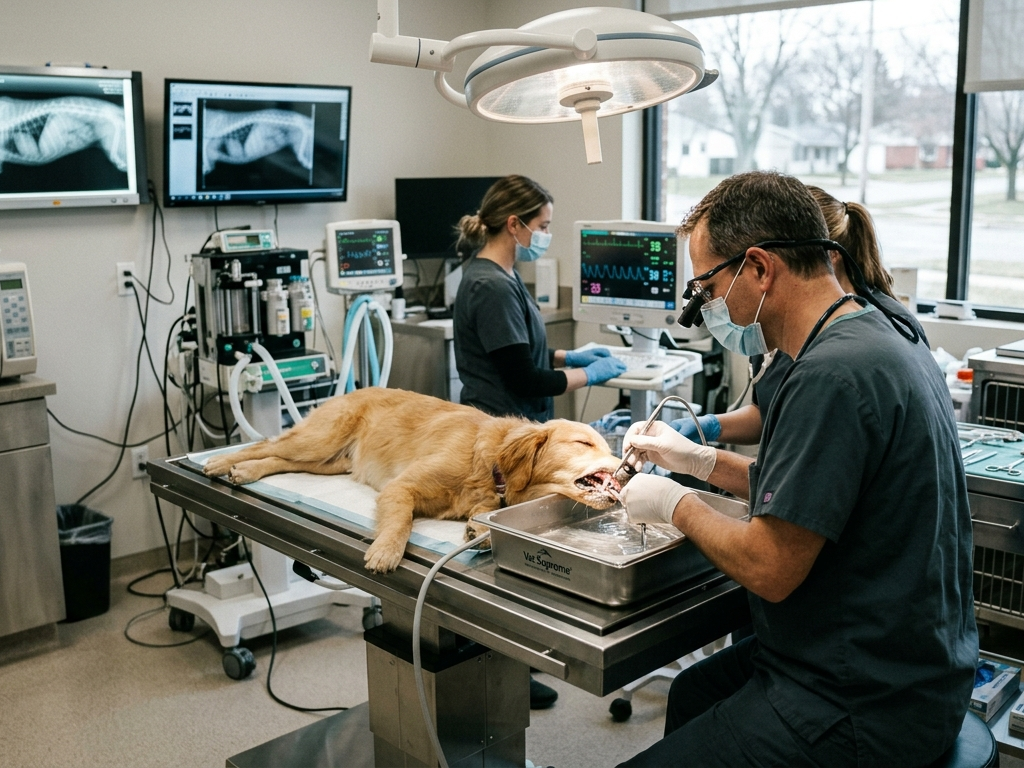
Dentistry, in particular, has seen a surge in clinical rigor. Performing complex oral surgeries requires more than just training—it requires the right infrastructure. Utilizing a purpose-built dental drip tray during procedures is a hallmark of a clinic that prioritizes safety and sanitation. These seemingly small additions to a workspace demonstrate a meticulous approach to hygiene and procedural success, reducing risks and improving recovery outcomes for our patients.
Shifting Focus Toward Preventive Health
Perhaps the most significant change in our field is the pivot toward prevention. We are no longer waiting for symptoms to appear; we are managing health trajectories from the first puppy or kitten visit.
- Routine health screenings catch silent conditions early.
- Targeted nutrition plans address breed-specific risks before they manifest.
- Consistent vaccination protocols protect individual patients and the wider community from zoonotic threats.
By educating clients on these proactive measures, we transform them from passive observers into active partners in their pet’s health.
The Future of Veterinary Medicine
The trajectory of veterinary care is clear: we are entering an era of unprecedented precision and patient-centered focus. By investing in modern veterinary equipment, prioritizing specialized training, and utilizing functional tools like a dental drip tray, clinics are setting a new standard for what it means to heal. We aren’t just reacting to the needs of the animals in our care; we are anticipating them, ensuring a healthier, longer life for every patient that walks through our doors.