



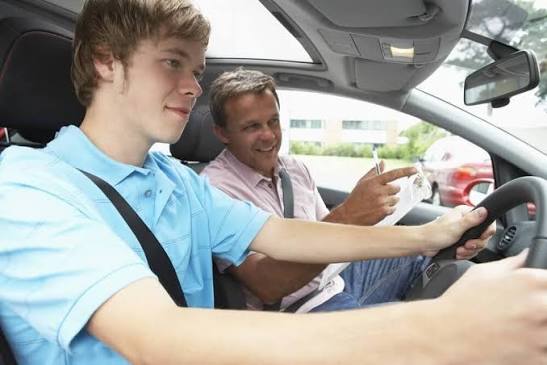
One of the key skills for becoming a safe, responsible driver is observation. It helps drivers identify potential hazards, understand changes in traffic, and make decisions accordingly. When driving, you need to pay attention to more than just the road ahead. Drivers also need to check their mirrors and blind spots, and watch for other vehicles, cyclists, and pedestrians. Good observation skills are developed in our driving lessons and are essential for learners to build confidence and drive independently. Driving lessons in Nottingham help learners practise these observation skills in different traffic situations.
Why Observation Skills Matter When Driving
Effective observation gives the driver more time to perceive hazards and react. It minimises the chances of missing key movements in the surroundings. For example, if a driver notices someone walking toward a crossing, they can prepare to slow down. Also, detecting brake lights ahead can be an early warning of changing traffic conditions. Failure to observe can lead to abrupt stops, misjudged positioning, and slow reactions. Frequent glances at the environment keep drivers more aware and make them more likely to make better choices. Driving lessons in Bransley help learners practise these observation techniques in real traffic situations.
Look Further Ahead Instead of Focusing Nearby
A common error for novice drivers is focusing too strongly on the immediate roadway ahead. This limits their awareness of what’s coming up. Drivers need to get into the habit of looking far down the road whilst keeping their eyes on the next car. This way, they can spot junctions, traffic queues, roadwork, and speed limits earlier. The forward view also helps make driving more effortless. When facing an unexpected situation, the driver can slow down or change lanes slowly, rather than making sudden changes.
Develop a Consistent Mirror-Checking Routine
Mirrors offer valuable information on traffic approaching from behind and traffic passing by. Periodic mirror checks help drivers understand what is happening around their automobiles. When it is appropriate, drivers should check their interior and exterior mirrors before changing speed, turning, moving off, and changing lanes. These checks help them identify approaching cars, bicycles, and other potential hazards. But relying solely on mirror checks is not enough; drivers should also look directly in the required direction. Drivers also need to check blind spots because some road users may not be in the driver’s mirrors.
Understand the Importance of Blind Spot Checks
Blind spots are those around a car that can’t be seen clearly in its mirrors. These can conceal motorcycles, cyclists, and other vehicles, especially when changing lanes or pulling out from the curb.
A shoulder check can alert drivers to road users in an area that is not covered by their mirrors. This is especially important before turning across traffic or changing lanes. Drivers should try performing a mirror check alongside direct observation. This exercise helps avoid unsafe manoeuvres and increases awareness of surrounding traffic.
Recognise Potential Road Hazards Early
Hazard awareness is the process of recognising situations which may require a change of speed, direction or position. Parked vehicles, road traffic, animals, sharp corners, approaching traffic, road work and pedestrians are all hazards. Pilots need to be aware of potential hazards before they become actual hazards. For example, a ball rolling into the road may indicate that a child could follow it. Observation can also be influenced by the weather. Rain, fog, and dark or bright sunlight can affect visibility. Drivers should slow down and be extra alert when visibility is reduced.
Avoid Distractions and Maintain Concentration
A driver’s capacity to see important changes on the road can be diminished by distractions. Ongoing tasks, such as mobile communications, loud music, talking, or other unnecessary activities, can distract from driving.
Drivers should pay attention to the road and not touch devices while driving. Planning helps avoid needless distractions when taking a journey. Concentration is an ongoing process of being aware. Even familiar roads may contain unexpected hazards, and drivers should not assume a trip will go exactly as planned.
Practise Observation in Different Driving Environments
Learners’ observation skills get better when they encounter different road layouts and traffic conditions. On busy urban streets, pedestrians, cyclists, parked vehicles, and frequent junctions should be watched carefully.
Problems on rural roads are also different, with hidden entry points, tight corners, animals, and poor visibility. On multi-lane highways, mirrors must be checked frequently, and it is important to be aware of traffic on both sides of the road.
Exposing students to a variety of settings also helps them learn the differences in the types and levels of observation required in different scenarios.
Learn From Instructor Feedback
A skilled teacher will see what errors students are making that they don’t realise. This can be because they check their mirrors too late, don’t see blind spots, and/or miss developing hazards.
Feedback assists students to recognise when and why specific checks are required. These observations, reinforced in the practical lessons, can become regular driving behaviours.
At MA Driving School – Automatic & Manual, we provide our students with the skills they need to drive effectively by practising in various driving scenarios.
Make Observation a Lifelong Driving Habit
Observation is not only something required for the practical driving test! It is still very important for a driver throughout their life, since road conditions and traffic constantly change. A driver’s awareness enables him/her to detect hazards sooner, plan and respond more calmly. Regular mirror checks, blind spot checks and forward planning all help to make journeys safer. It’s a great way to build these habits in driving lessons and get ready for hands-on driving. Practice and concentration can help learners to become more observant, confident and responsible road users.