Small changes in your mouth can signal that brushing, flossing and routine check-ups are no longer enough. Persistent gum discomfort, morning jaw pain or a toothache that keeps returning may need closer assessment and targeted treatment. Acting early can protect healthy tissue, reduce discomfort and prevent a manageable concern from becoming more complicated.
Recognising Chronic Gum Sensitivity
Occasional tenderness after vigorous brushing may settle within a day or two. Sensitivity that lasts longer, recurs frequently or comes with bleeding deserves a dental appointment. These symptoms can be early signs of gum disease, particularly when you also notice persistent bad breath, swelling or gums pulling away from the teeth.
Switch to a soft-bristled toothbrush and use gentle circular movements along the gumline. Keep cleaning between your teeth once a day, since avoiding sore areas allows plaque to build up. If bleeding continues for more than a week, a Specialist private dentist can assess the gums, measure any pockets around the teeth and advise on suitable clinical care.
Unexplained Jaw Tension and Bite Wear
Jaw tension often becomes noticeable on waking. You may also experience temple headaches, facial fatigue or stiffness when opening your mouth. A partner might hear grinding at night, although clenching can happen silently during sleep or periods of concentration.
Check for practical clues such as flattened tooth edges, small chips or new sensitivity to cold drinks. A dentist can examine your bite and identify wear that may be difficult to see at home. Depending on the cause, support could include a custom night guard, repair of damaged teeth or advice on reducing daytime clenching. Avoid relying on an over-the-counter guard for months without an assessment, as a poor fit may alter how your teeth meet.
Why Recurring Toothache Needs Fast Action
Toothache that disappears and returns still needs attention. Decay, a cracked filling or inflammation inside the tooth may cause intermittent pain before symptoms become constant. Pain when biting can point to a crack or infection, while lingering sensitivity after hot or cold food may suggest irritation deeper within the tooth.
Seek urgent dental advice if pain affects sleep, lasts longer than two days or comes with swelling. A dental abscess may cause facial swelling, a bad taste, fever or difficulty opening the mouth. These symptoms require prompt professional care. Painkillers may offer temporary relief when used as directed, but they don’t treat the source of the problem.
Finding the Right Level of Clinical Care
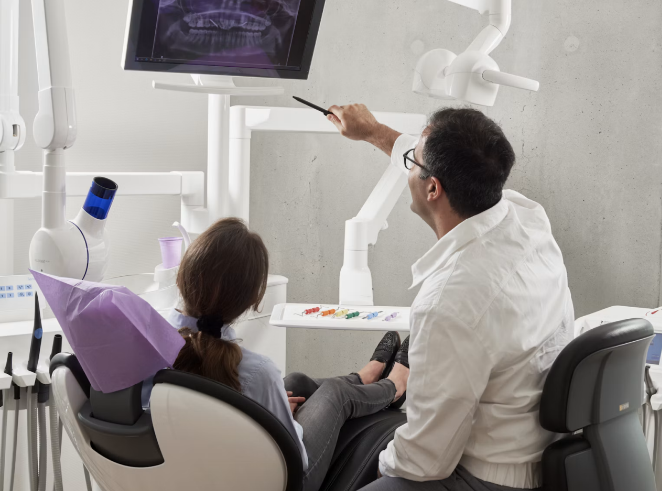
Start with a general dental examination when symptoms are mild or their cause is unclear. The dentist may use X-rays, gum measurements and bite checks to build a clearer picture. More advanced support may involve a clinician with focused training in gum treatment, root canal therapy, tooth replacement or orthodontics.
Ask what the examination has found, which treatment options are available and what could happen if care is delayed. You should also understand the likely number of appointments, recovery time and total cost before agreeing to treatment. If the proposed work is complex, requesting a written treatment plan makes it easier to review each stage. A second opinion can also be sensible when treatment is extensive or several viable options exist.
Proactive Steps for Lasting Oral Health
A consistent routine for your teeth gives your dentist the best chance of spotting change early. Brush for two minutes twice daily with fluoride toothpaste, clean between your teeth each day and replace a worn toothbrush or brush head. After brushing, spit out the excess toothpaste without rinsing immediately so the fluoride remains on the teeth.
Keep brief notes when symptoms appear. Record the location, duration and triggers, such as chewing, cold water or waking in the morning. Photos can help track visible swelling or gum changes, although they can’t replace an examination.
Most importantly, don’t wait for severe pain before booking care. A week of repeated bleeding, several mornings of jaw stiffness or a second episode of toothache provides a clear reason to arrange an assessment.