



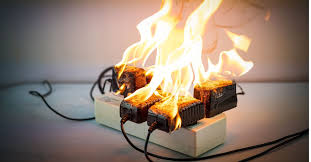
Residential electrical fires are a serious hazard. Excessive heat can be generated through faulty wiring, overloaded sockets or damaged electrical appliances, which can lead to fire damage. Many electrical issues are concealed behind walls, within consumer units, or near poorly maintained connections. Being aware of these risks can help homeowners recognise potential issues and take preventative measures before a small electrical fault becomes a fire emergency. Consulting an experienced electrician in Crystal Palace can also help identify and address potential electrical hazards.
Faulty or Damaged Electrical Wiring
Access to a broken electrical wire is one of the major causes of electrical fires in homes. Electrical cables may deteriorate over time, be physically damaged due to inadequate installation, or be exposed to excessive heat. Rubbed areas can expose conductors and cause current to leak. Loose connections can also cause hazardous situations.
If wires are not properly fastened, electrical resistance can increase, which can increase heat generation. Overheating can cause adjacent materials to be damaged and may even cause fire. Electrical systems in older homes may not be able to handle today’s electrical needs. Periodic inspections can detect poor cable condition, damaged insulation, and unsafe connections. An electrician can check the installation and suggest the necessary rewiring or repairs. For urgent electrical faults that present an immediate safety risk, emergency electricians in London can help assess the problem and carry out appropriate repairs.
Overloaded Electrical Sockets and Extension Leads
Television, computers, heaters and kitchen utensils are some of the common electrical gadgets that are used in modern households. Adding too many appliances to a single outlet can put strain on the electrical circuit. This risk can be compounded by the use of extension leads and multi-socket adaptors if they are used incorrectly. Cables, plugs, and plug sockets can overheat if overloaded. Damaged or poor-quality adaptors may cause other fire hazards.
Residential power use should be split on appropriate circuits and should not be daisy-chained. Use suitable dedicated outlets if required for high-power appliances. If overloaded sockets are common in a property, an electrician will be able to determine the capacity of the circuits and suggest measures to be taken to enhance the property.
Faulty Electrical Appliances
Electrical faults can occur in household appliances due to normal wear, manufacturing defects, or improper maintenance. Electrical parts of washing machines, refrigerators, tumble dryers, microwaves, and portable heaters can overheat and cause problems. Worn or frayed power cords, improperly fitted plugs and faulty internal connections can create a fire hazard. Dust can also build up around the ventilation holes, limiting ventilation and causing overheating.
Cables, plugs and connections for appliances should be inspected for visible damage by homeowners at regular intervals. If an appliance makes a burning smell, an odd noise or emits more heat than is normal, it should be turned off and shut down when it is safe to do so. It is recommended to use them again only after a professional evaluation.
Poor Electrical Installation and Unsafe Repairs
There are many fire hazards that can be caused by faulty electrical work and go undetected for years. Cables may be poorly connected, protection devices may be incompatible, or circuits may be installed incorrectly, resulting in overheating or electrical failure. Hazards can also be caused by do-it-yourself electrical work. Individuals without proper training can choose the wrong parts, cut wires, or fail to follow the correct safety measures.
Only suitably trained individuals should perform electrical work. In England, some electrical work carried out in the home needs to meet the requirements of Part P of the Building Regulations. When you use a competent electrician, installations can be carried out in accordance with technical and safety requirements.
Overheating Consumer Units and Circuit Breakers
Consumer units are designed to distribute electricity to a house and household appliances and include protective devices that help to control electrical faults. Circuit breakers and residual current devices are important devices for protection against certain electrical hazards.
Overheating in a consumer unit can result from damaged components, loose terminals, or unsuitable equipment. If you notice burning odours, buzzing noises, scorch marks, or repeated circuit trips, it could indicate a problem. Consumer unit covers should never be removed by homeowners, and no internal electrical work should be undertaken. A licensed electrician can determine the cause, check protective devices, and suggest replacement if needed.
Poorly Maintained Lighting and Electrical Fittings
Lighting installations can also increase fire hazards in the residence. Excessive heat can be created from incorrect fittings, improper bulb selection or damaged connections. Bulbs that have a higher wattage than the fitting will overheat. Ventilation clearance around lighting fittings that require clearance can also be an issue with recessed lighting.
Use the correct bulbs and fittings, and follow the manufacturer’s installation instructions. Periodic inspections help to detect faulty electrical components, faulty electrical connections, and discoloured light fixtures before they become a serious safety issue.
How Homeowners Can Reduce Electrical Fire Risks
Electrical fires can be prevented by properly maintaining and using household electrical equipment. There are a few simple steps that homeowners can take to minimise risks:
- Schedule regular electrical assessments, especially in older buildings.
- Do not overfill sockets and extension leads.
- Replace broken plugs, wires and electrical connections.
- Maintain appliances and follow the manufacturer’s maintenance schedule.
- Don’t constantly reset circuit breakers; investigate them instead.
- Hire licensed electricians to install, fix and upgrade electrical components.
- Install and maintain smoke alarms and test them regularly.
An Electrical Installation Condition Report (EICR) can assist in assessing the safety of a property’s fixed electrical installation. It can also detect faults, deterioration and potential safety hazards that need to be addressed.
Conclusion
Electrical fires are generally caused by avoidable issues, including damaged wiring, overloaded outlets, defective appliances, and unsafe installations. Early warning signs and proper maintenance of electrical systems can minimise the risk of potentially dangerous situations.
Homeowners should never overlook burning smells, circuit failures, or multiple circuit failures. Scheduled maintenance and inspections help prevent unsafe conditions. Diligent Electrical Contractors is here to assist you as a property owner by providing professional electrical services to help tackle electrical problems and ensure safe operations.