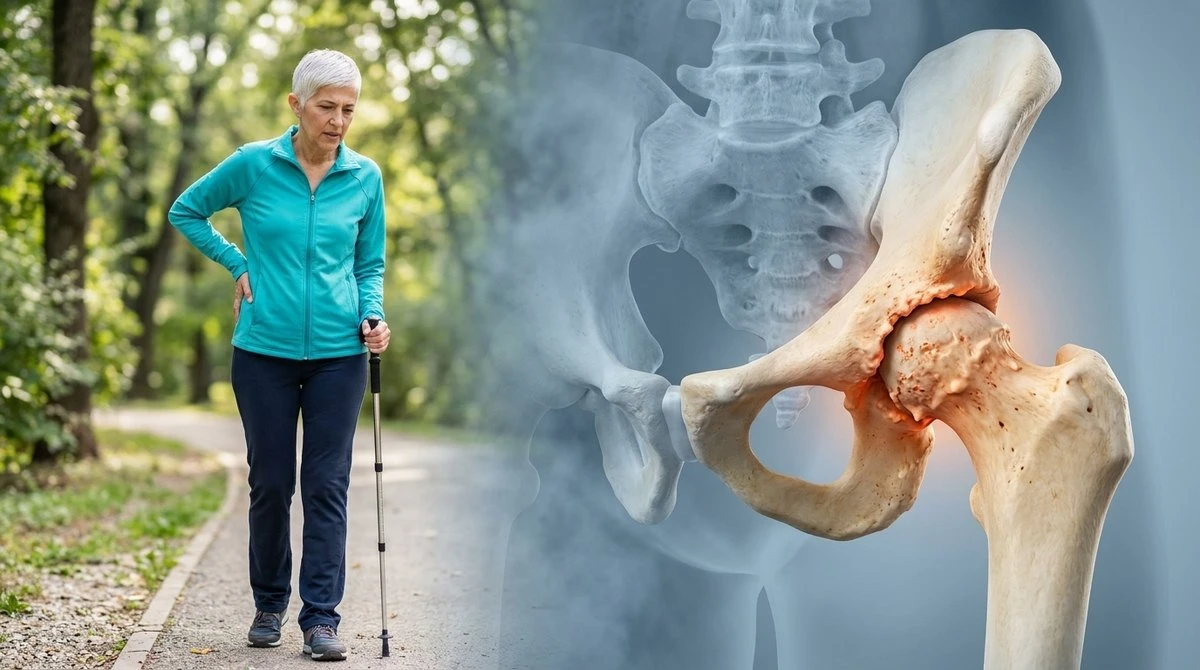
The Joint You Forget About
Most of us don’t give our hips a second thought. They carry us through every step, every climb up the stairs to the void deck and every squat to tie a shoelace. They’re built to last, and for most people, they do.
Then one day, something changes. Maybe it’s a deep ache in the groin after a long walk at Gardens by the Bay. Maybe it’s a click when you rotate your leg during yoga. Maybe it’s the way you’ve started easing yourself out of the car, one leg at a time.
Hip problems are easy to dismiss as a pulled muscle or “just age”. Some are. But others need a closer look, and the sooner the better.
Why Hip Pain Can Be Confusing
It doesn’t always hurt at the hip
The hip joint sits deep inside the body, behind the groin. So true hip joint pain is usually felt in the groin or the front of the thigh, not on the side where most people point when they say “my hip”.
Hip problems can also send pain down to the knee. It’s not unusual for someone to have a knee examined, only to find the real culprit is the hip.
And some “hip pain” isn’t the hip
On the flip side, pain on the outer side of the hip or in the buttock may come from the surrounding tendons, the lower back or the sacroiliac joint. Working out where the pain is truly coming from is one of the main jobs of a hip specialist.
Common Hip Problems at Every Age
Hip conditions tend to vary with age and lifestyle.
Younger, active adults
- Hip impingement – where the ball and socket have an irregular shape and pinch against each other, often in people who play sports with lots of bending and twisting
- Labral tears – damage to the ring of cartilage around the hip socket, which can cause catching, clicking and groin pain
- Muscle and tendon strains – such as groin strains in football, futsal and running
- Stress fractures – from a sudden jump in training, sometimes seen in runners and recruits
Middle age
- Gluteal tendinopathy and bursitis – pain on the outer side of the hip, often worse lying on that side at night; especially common in women
- Early osteoarthritis – gradual wear of the joint cartilage
- Avascular necrosis – loss of blood supply to the ball of the hip, linked to heavy alcohol use and long-term steroids
Older adults
- Osteoarthritis – the most common cause of hip pain and stiffness in later life
- Hip fractures – often after a fall, especially in people with osteoporosis; these always need urgent care
Signs It’s Time to See a Hip Specialist
Consider seeing a hip specialist if you notice:
- Groin pain – a deep ache in the groin or front of the thigh
- Night pain – aching that wakes you up or stops you lying on one side
- Stiffness – difficulty putting on socks, cutting toenails or getting out of a car
- Clicking or catching – especially with pain when you rotate or bend the hip
- A limp – or a change in the way you walk
- Pain that lingers – lasting more than a few weeks despite rest and painkillers
- Less activity – you’re cutting back on walks, sport or outings because of your hip
If you’ve had a fall and can’t put weight on your leg, or the leg looks shortened or turned outwards, go to the emergency department straight away.
What Does a Hip Specialist Do?
A hip specialist is an orthopaedic surgeon with a particular focus on hip conditions. Many also treat the knee, as the two joints are closely linked.
Finding the cause
Your first visit will include a detailed conversation about your symptoms and a careful physical examination. The specialist will check how your hip moves, where the pain is and how you walk. Specific tests help tell whether the problem lies in the joint, the surrounding tendons or your back.
The right scans
An X-ray is usually the first step. It shows the shape of the joint and any signs of arthritis. An MRI may be needed to look at soft tissues, such as the labrum and tendons, or to detect early avascular necrosis or stress fractures. Sometimes an injection into the joint is used to confirm where the pain is coming from.
Treatment Options
Most hip problems don’t need surgery, at least not straight away.
Non-surgical care
- Activity changes – reducing movements that aggravate the hip, such as deep squats
- Physiotherapy – strengthening the gluteal and core muscles that support the hip
- Weight management – every kilo off eases the load on the joint
- Medication – painkillers and anti-inflammatories for flare-ups
- Injections – to reduce inflammation in the joint or around the tendons
Keyhole surgery
For some younger patients with impingement or labral tears, hip arthroscopy may be an option. The surgeon uses a small camera and instruments to reshape the bone or repair the labrum through tiny incisions.
Hip replacement
When arthritis has worn the joint away and pain is limiting daily life, a hip replacement can be life-changing. The worn ball and socket are replaced with artificial parts. It’s one of the most successful operations in modern medicine, and many people return to walking, swimming, golf and travel.
Making the Most of Your Appointment
Before you see a hip specialist:
- Note where exactly the pain is, and whether it spreads to the thigh, knee or buttock
- Think about what makes it worse: walking, sitting, stairs, lying on one side
- Bring any previous X-rays, MRIs and reports
- List your medications and medical conditions
- Wear loose clothing, such as shorts, so your hip can be examined easily
Questions to ask
- Is the pain coming from my hip joint, the tendons or my back?
- What non-surgical options can I try first?
- How do I know if my condition is getting worse?
- If I need surgery one day, what are the signs it’s time?
Looking After Your Hips
A few habits can help keep your hips healthy:
- Stay active with low-impact exercise, such as walking, swimming and cycling
- Strengthen your glutes and core
- Keep a healthy weight
- Warm up before sport and build up training gradually
- Protect your bones with enough calcium, vitamin D and weight-bearing exercise
- Fall-proof your home if you’re older, with good lighting and grab bars
Your hips work hard for you every day. When they start complaining, it’s worth listening to.
Consult a hip specialist if groin or hip pain persists, affects your sleep or limits your daily activities.