

Every dog owner knows the corner. The one with the two mismatched bowls, the 20 kilogram bag slumped against the wall with a peg holding it shut, and the permanent tide mark of water and crumbs on the tiles. It works, but it is the one spot in an otherwise tidy kitchen that never looks finished. A proper feeding station fixes that in a weekend, costs less than a new bowl set from a boutique, and does your dog’s food a favour at the same time.
Pick the spot before you pick the design
Dogs eat better when they are not in a thoroughfare, so avoid the gap between the fridge and the back door where everyone walks past at supper time. The end of a kitchen run, the scullery, a corner of the braai room or the space under the stairs are all good candidates. You want a tiled or vinyl floor, a wall you can fix to, and ideally a plug point nearby for a water fountain if you ever go that route.
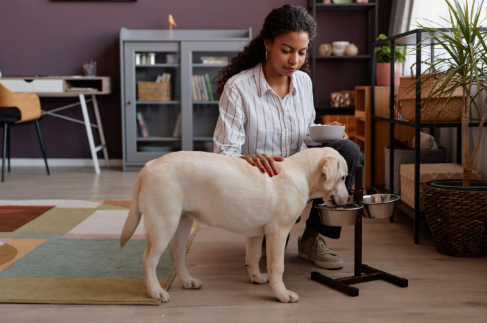
Measure your dog as well as the space. A raised bowl should sit roughly at the height of the dog’s lower chest, which means around 15 centimetres for a Jack Russell and 40 or more for a Ridgeback. Puppies grow, so build in a way that lets you raise the bowls later.
Store the Food As it Matters
Kibble is mostly protein and fat, and fat goes rancid. Once a bag is open, the food has about six weeks before it starts losing vitamins and picking up that stale smell dogs turn their noses up at. Heat makes it worse, which is a real problem in a Highveld summer or a Durban garage. Good quality dog food from brands such as Montego, Royal Canin or Hill’s is not cheap, so letting a third of the bag go off is money straight into the bin.
The answer is an airtight container inside the cabinet, sized to hold a whole bag. Keep the food in its original bag inside the container, because the bag’s lining is designed to protect the fats and the printed batch number and best before date stay with the food. A 40 to 50 litre bin with a gasket lid takes a 20 kilogram bag comfortably. Add a scoop on a hook and a sticky label with the opening date.
Make the Whole Home Easier to Live in With a Dog
The feeding corner is the start, not the end. The same thinking applies to the rest of the house, and many of the points that matter when finding a pet-friendly property apply just as well to the home you already own. Hard-wearing floors, a hook by the door for the lead, a dedicated outside tap for muddy paws and secure fencing all reduce the daily friction of sharing a home with an animal.
Think about the dog’s routine too. A bed in a quiet spot near the family rather than in a passage, a shaded water bowl outside for summer and somewhere dry to sleep in a Cape winter cost almost nothing and make a visible difference to how settled the animal is.
A Corner That Finally Looks Finished
A feeding station is a small project with a disproportionate payoff. The kitchen looks tidier, the food stays fresh for the full six weeks, the bowls stop travelling across the tiles, and the dog eats at a comfortable height without competing with foot traffic. Build it over one weekend with offcuts and a single sheet of board, and you will wonder why the slumped bag and the peg lasted as long as they did.