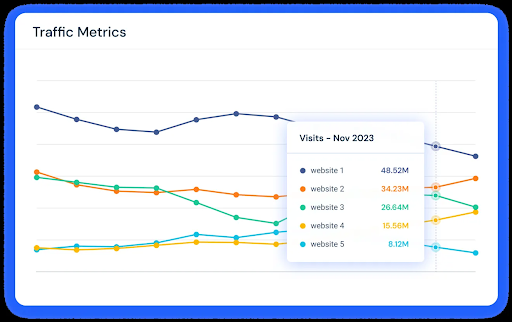
Every website has a story to tell. Each visit, click, and page view can show what people like and where they lose interest. Tools that help users view website statistics make these signs easier to read. They turn raw data into clear facts that support better choices. A shop can see which pages lead to sales. A blog can learn what readers enjoy. With the right data, even small changes can help a site grow and serve its users well.
Learn What Your Website Data Means
Website data shows how people use a site. It can tell you how many users visit, which pages they open, and how long they stay. Some may come from search, while others click a link on social media. These small details matter. They help site owners see what works and what needs care. You do not need to study every number at once. Start with visits, page views, and key actions. Over time, the data can help you make sound choices.
Find the Value in Visitor Trends
A rise in visits may seem like good news, but the full story matters. A site needs the right people, not just more clicks. Look at where users come from and what they do next. Do they read a post, view a product, or leave at once? These trends can show gaps in your site. A clear page may keep users engaged, while a slow page may drive them away. Small checks each week can help you spot change and act early.
Use Analytics to Guide Better Decisions
Good website analytics can help you see how your site works in real life. They show which pages draw interest and which paths lead to a sale or sign-up. This helps you focus on changes that matter. For example, if many users visit a service page but few contact you, the next step may be to review its text or form. There is no need to change the whole site at once. Use the facts you have, test one change, and track the result.
Choose Metrics That Match Your Goals
Each website has a goal, so its key measures should match that goal. An online shop may track sales, cart use, and product views. A news site may focus on page views and reader time. A service firm may count calls, form fills, and quote requests. These measures help you see if the site meets its purpose. Too many numbers can make the task hard. Pick a few useful ones first. Review them on a set day each week, then note what has changed and why.
Turn Website Reports Into Clear Actions
Reports are useful when they lead to action. A chart alone will not fix a weak page or bring more sales. Read the data, find a pattern, and ask what may cause it. If users leave a page fast, check its speed, layout, and main message. If a blog post gets steady visits, add links to related pages. Keep a record of each change. This makes it easier to learn what helps. Good reports do not need fancy words. They need clear facts and a next step.
Make Data Reviews Part of Your Routine
Website checks work best when they become a habit. A short review each week can reveal new trends before they grow into larger issues. Check visits, traffic sources, popular pages, and key actions. Compare the results with past weeks, not just the day before. Some changes may come from a sale, a new post, or a shift in search demand. Add notes so the reason stays clear. A steady routine helps teams share the same facts, set better goals, and plan work with more care.
Conclusion
Clear website data helps turn online activity into useful insight. It shows what draws users in, where they leave, and which steps lead to results. Start with a few key measures and review them on a regular basis. Keep each report simple, then use what you learn to guide small tests. For teams that want a clearer view of site performance, insightowl.ai offers tools for marketing data and reports. With steady checks and sound choices, you can build a site that better meets user needs and business goals.