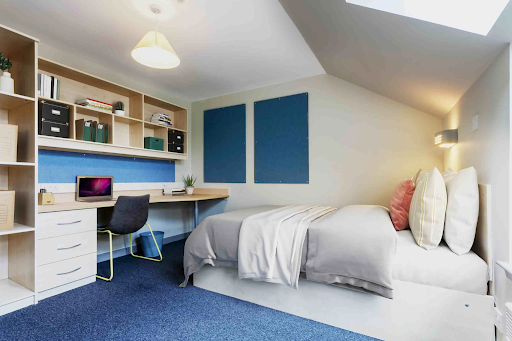
Choosing a place to live is a key part of planning for college or university. A good home can make each day easier, help you rest well, and give you more time to study. Finding student accommodation early can also help you compare rent, travel time, and room options before making a choice. Some students like to live on campus, while others prefer a shared house or a private flat. The right choice depends on your budget, course, and daily needs.
Set a Clear Budget Before You Search
Rent is not the only cost to plan for. You may also need to pay for power, water, Wi-Fi, food, travel, and other daily needs. Write down how much you can spend each month, then set a safe limit for rent. This can help you avoid places that cost too much. Check what the rent covers before you sign a deal. A room that looks cheap may cost more once bills and travel fees are added.
Compare Different Places to Live
Student housing can include halls, shared homes, private rooms, and small flats. Each option has its own pros and cons. Halls may be close to class and offer a chance to meet new people. A shared home can cost less, but you may need to share a kitchen or bath. A private flat gives more space and peace, though rent may be high. Compare each option with your needs, not just its look. Think about cost, space, and how you like to live.
Check the Location and Daily Travel
A room may look great online, but its location matters just as much. Check how long it takes to reach your campus, shops, bus stops, and train links. A short walk to class can save both time and money. If you plan to travel by bus, check the route and service times. Visit the area if you can. Look at the streets, lights, and nearby shops. A safe and handy area can make student life less stressful, mainly during late classes or busy exam weeks.
Look at Room Types and Shared Spaces
Before you book, check what the room offers. Some places have a desk, bed, cupboard, and private bath. Others have basic items or shared spaces. Ask if the kitchen has enough room and if there is a place to wash clothes. Good light, fresh air, and a quiet space can help you study well. Check photos with care, and ask for more if key areas are not shown. If you can view the room in person, do so before you pay any fee or sign a contract.
Read the Rules Before You Sign
A rental deal should be clear and easy to read. Check the rent, deposit, start date, end date, and notice rules. Ask who pays for repairs and what happens if you need to leave early. Read the terms for guests, noise, pets, and shared areas too. Never feel rushed to sign a deal you do not fully understand. Keep a copy of all forms and payment records. If a rule seems unfair or unclear, seek advice from your school or a trusted housing service first.
Book Early and Check Each Detail
Good rooms can fill up fast near the start of term, so start your search early. Use trusted sites and check who owns or runs the place. Read recent reviews, but look for clear facts rather than one strong view. Ask about the deposit and how it will be paid back. Never send money before you know the offer is real. If you cannot visit, ask for a live video tour. Keep all messages and terms in writing. A few checks now can help you avoid costly issues later.
Conclusion
Finding a home for study takes time, but a clear plan can make the task much easier. Set your budget, check the area, compare room types, and read each term before you agree. Good student housing should suit your needs and help you feel settled while you learn. Start early and ask questions when a detail is not clear. For more advice on study life and planning, visit postgrad.com. A safe, fair, and well-placed home can help you make the most of your time at university.