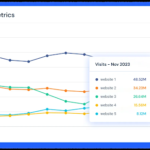
A clear report can save time and help a team spot what works. A marketing reporting tool brings key data into one place, so teams can see how their work is doing. It can show site visits, clicks, leads, and sales in a simple view. This makes it easier to find gaps and plan the next step. Good reports do more than show numbers. They tell a story about what went well, what fell short, and where time and money may be better spent.
Track Results Without Extra Work
Marketing teams often use many tools to check their work. One shows site visits, another tracks search data, and a third may show leads. It takes time to check each one. A single report can bring these facts together. This helps teams see the full picture with less effort. It also cuts down on manual tasks. When reports are easy to read, teams can spend more time on useful work and less time copying data from one place to another.
Make Sense of Key Data
Numbers can be hard to use when they lack context. A rise in site visits may seem good, but it does not always lead to more sales. Teams need to know what each change means. A clear report links data to goals, such as leads, sales, or sign-ups. It can also show which pages draw the most interest. Small details matter here. A short view of key trends helps people spot changes early and act before a small issue grows.
Build Reports That Clients Understand
Clients need clear facts, not a page full of charts they cannot read. A digital marketing reporting tool can turn raw data into a neat report with key results and short notes. This helps agencies show what they did and what changed. It also makes talks with clients more useful. For example, a report can show which had brought in leads and which page needs work. Clear reports build trust when they use real data and explain results in plain words.
Find Gaps in Your Campaigns
A campaign may get many clicks but few leads. That gap can point to a weak page, a poor offer, or a mismatch between the ad and the page. Reports help teams spot such issues by showing how each part performs. They can then test a new message, change a page, or shift the budget. There is no need to change everything at once. Small tests often give clear clues about what works and what needs more care.
Save Time with Smart Reports
Manual reports can take hours, especially when data comes from many sources. A tool can pull key facts into one view and help create reports on a set schedule. These cuts repeat work and lowers the risk of copy errors. Teams can use the time they save to review results and plan new tasks. Still, reports need a quick check before they go out. Data must be fresh, links must work, and each figure should match the source.
Choose Tools That Fit Your Needs
The right tool should fit the size of your team and the goals you track. Check which data sources it supports, how often reports update, and whether you can edit the layout. Think about who will read each report, too. A small team may need a simple view, while an agency may need branded reports for many clients. Ease of use matters as much as the feature list. A short trial can help you see if the tool suits your daily work.
Conclusion
Good reports help teams turn data into clear steps. They show what brings visits, what drives leads, and where a campaign may need a change. The best setup is one that saves time and makes results easy to explain. Before you choose a tool, check its data links, report options, and ease of use. Visit insightowl.ai to learn more about ways to bring marketing data into one place. With clear reports and regular checks, teams can make sound choices and use their budget with care.