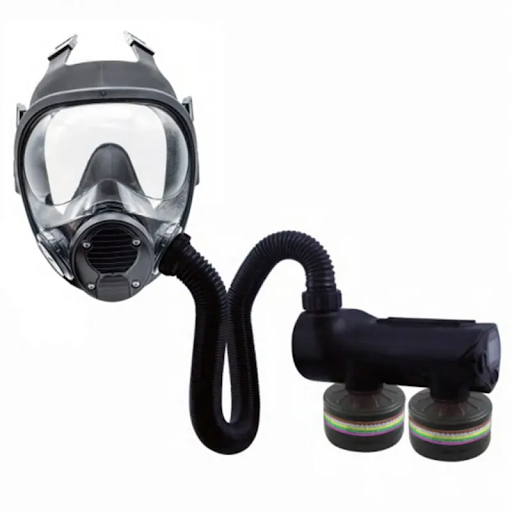
Dust can be hard to avoid at work. It may rise when you cut wood, sand walls, or clean a busy work site. The right mask can help keep harmful particles out of your lungs. A powered air purifying respirator uses a motor and fan to move air through a filter. It can make breathing easier during some tasks. Still, each job has its own risks. The best choice depends on the dust, the work area, and how long the gear must be worn.
How Powered Respirators Work
A powered mask uses a small motor to pull air through a filter. The clean air then flows to a hood, helmet, or face mask. This flow can help reduce the effort needed to breathe. It may also keep heat and sweat from building up inside some types of headgear. The unit needs a charged battery and the right filter to work well. Before each shift, check the parts, seals, and airflow. A quick check can help spot faults before work starts.
Picking the Right Mask Type
Not every mask suits every job. A worker who cuts stone may face a very different risk from one who sprays paint. A simple dust mask may work for some tasks, while other jobs need a powered unit with a special filter. An air purifying respirator cleans the air around the wearer, but it cannot supply oxygen. Never use this type of gear in a space where oxygen may be low. Check the risk plan and product guide before choosing a mask.
Why Fit Matters at Work
A good mask must fit the wearer and suit the task. If air leaks around the face seal, dust may get in. Some powered units use loose-fitting hoods or helmets, while others need a tight seal. The right choice depends on the model and its approved use. Face fit tests may be needed for tight-fitting masks. Workers should also know how to wear, clean, and store their gear. Even a high-grade filter cannot do its job if the unit is worn the wrong way.
Check Filters and Battery Life
Filters do not last forever. Dust, fumes, and other harmful matter can build up as the unit is used. A blocked filter may reduce airflow and make the fan work harder. Check the maker’s guide for signs that a filter needs to be changed. Battery life matters too. A flat battery can stop the airflow when it is needed most. Charge the unit as advised and keep spare parts on hand when needed. Do not use a damaged unit or one that fails its checks.
Keep Your Respirator Clean
Work gear can pick up dust, oil, sweat, and dirt during a shift. Clean the mask and parts in line with the manufacturer’s guide. Do not soak parts that are not safe to wash, and never use harsh cleaners without approval. Check straps, seals, hoses, and clips for wear. Store the unit in a clean, dry place away from dust and heat. Each worker should know who checks the gear and when it is due for care. Good upkeep can help the unit last longer and work as intended.
Know the Limits of Each Unit
A powered mask is not safe for every place or hazard. It cannot make up for a lack of oxygen, and the wrong filter may not stop the gas or vapour present. Some tasks need other forms of breathing gear. Employers should assess the risk before work begins and give staff clear training. Workers must know when to leave an area if the unit fails or an alarm sound. Read the product guide and follow site rules. Safe use starts with the right gear and a clear plan.
Conclusion
The right respirator can help protect workers from harmful dust and other hazards. The key is to match the unit and filter to the job, then check the fit, airflow, and battery before use. Clean and store each part with care, and replace worn items when needed. For work teams, clear training and a sound risk plan matter just as much as the gear itself. protectivemasksdirect.co.uk offers products for many work needs, but always check each item’s rating and guide before use.