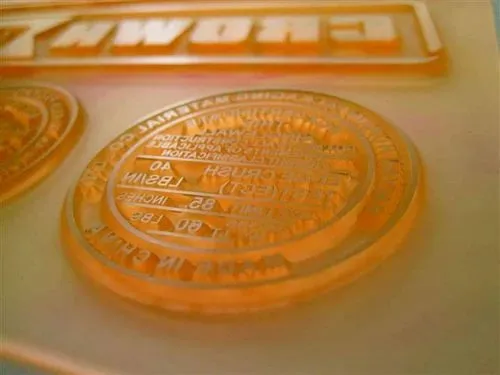
Good print work needs the right tools. Small details can change how a card, label, or box looks and feels.Photopolymer plates help printers make clear text and fine designs on many print jobs. They are useful for brands that want neat lines and a clean finish. The right plate can save time and help keep each print close to the last one. It also helps when a job needs care, such as wedding cards, book covers, or custom paper goods.
Why Plate Choice Matters for Printing
Each print job has its own needs. Some need bold text, while others need thin lines or small marks. A plate must hold the design well and suit the press in use. If the plate is not right, parts of the print may look weak or uneven. Good setup helps avoid this. It also cuts waste, which matters when time and stock are tight. A clear file and a well-made plate give the printer a better start.
How Foil Printing Creates Fine Detail
Foil printing uses heat and pressure to press a thin foil layer onto a surface. The result can be shiny text, logos, or simple shapes. It is often used on cards, book covers, boxes, and labels. The foil must suit the stock, and the press needs the right heat and pressure. Too much can spoil fine lines. Too little may leave gaps. A test run helps find the right setting before the main job begins.
Where Photopolymer Plates Work Best
These plates are often used for letterpress work and jobs that need sharp detail. They can suit text, line art, and many simple designs. Printers use them for cards, invites, tags, and other paper goods. The plate must match the press and the job. Stock, ink, pressure, and plate depth all play a part. A design with very fine lines may need a test first. That small step can help avoid poor results later.
Matching Plates With The Right Press
A plate can only work well when the press is set up to suit it. Check the plate size, height, and fit before you start. The press must hold it firmly and apply even pressure. If one side sits higher than the other, the print may look uneven. Keep the work area clean, too. Dust and scraps can mark the stock or affect the result. A short check before each run can save time and reduce waste.
Simple Steps For Better Print Results
Start with clean artwork and make sure the text is easy to read. Thin lines and tiny gaps may need extra care. Check the plate for marks before fitting it to the press. Use a test sheet to check the print, then change the setup if needed. Keep notes on heat, pressure, and timing for each job. These small steps help when the same design is used again. They also make it easier to spot a problem early.
Choosing A Reliable Print Supplier
A good supplier should help you pick the right plate or press for your job. Ask about plate material, design limits, setup needs, and care. It also helps to know if spare parts or repair support are available. This matters for busy print shops that cannot afford long delays. Metallic Elephant offers printing plates, hot foil presses, dies, and related support for print users. Check the product details and ask for advice when a job has special needs.
Conclusion
Good print work starts with sound tools and a clear plan. The right plate can help keep text sharp, while a well-set press helps foil sit cleanly on the surface. Test the setup before a full run, and keep notes for repeat jobs. This makes it easier to spot issues and cut waste. For plates, presses, and print support, visit metallicelephant.co.uk to explore the options. A little care at the start can make the final print look much better.