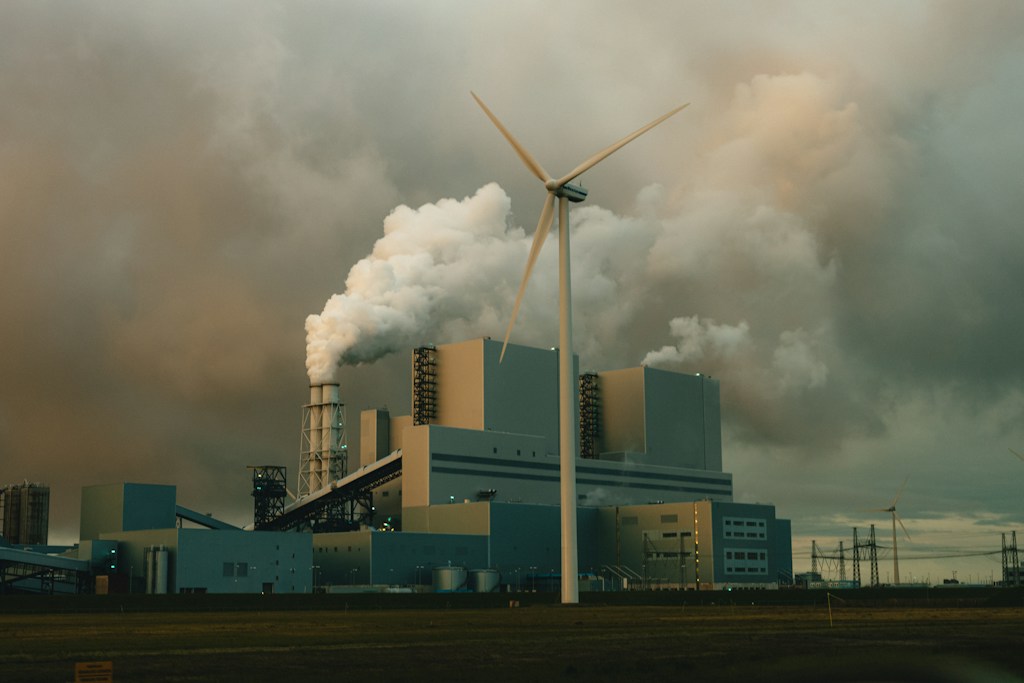
Across chemical manufacturing, petroleum refining, steelmaking, and paper processing, industrial facilities face mounting regulatory and market pressure to rapidly reduce Scope 1 and Scope 2 greenhouse gas emissions. Yet, for many plant directors and sustainability managers, the primary barrier to executing an effective decarbonization strategy is not a lack of capital or ambition, but a lack of granular, real-time field data. The fundamental rule of process engineering applies directly to carbon management: you cannot manage, optimize, or reduce what you do not accurately measure. Relying on monthly utility bills, annual energy audits, or mathematical estimates leaves plants blind to significant energy losses and process inefficiencies.
Transitioning from Broad Estimates to Granular Utility Telemetry
Systemic industrial decarbonization requires transforming raw utility and process data into precise, auditable carbon accounting. Manufacturing plants frequently suffer from invisible energy waste: unmetered steam leaks in distribution mains, uncalibrated burner controls in process heaters, excessive pressure drops in compressed air systems, and unoptimized heat exchanger networks. Eliminating these inefficiencies requires treating utilities—steam, compressed air, natural gas, chilled water, and electricity—with the same rigorous inline measurement traditionally reserved for high-value chemical feedstocks.
The Three Core Pillars of Industrial Decarbonization
- Fuel Switching and Hydrogen Co-Firing: Transitioning boilers, kilns, and furnaces from coal or heavy fuel oil to natural gas, biogas, or hydrogen-blend fuels without destabilizing flame stability or product quality.
- Process Optimization and Heat Recovery: Recovering waste heat from exhaust stacks and hot condensate streams to reduce primary fuel consumption per unit of manufactured product.
Driving Sustainable Industrial Transformation with Endress+Hauser
Navigating a complex, multi-year decarbonization journey demands an engineering partner capable of bridging the gap between field-level sensor technology and enterprise-level sustainability reporting. Endress+Hauser supports heavy industries throughout every phase of their decarbonization process by delivering specialized field instrumentation, advanced energy metering packages, and digital software solutions.
A Pragmatic, Step-by-Step Path to Net Zero
Industrial decarbonization is an ongoing engineering process rather than an overnight overhaul. By equipping plant personnel with trustworthy, real-time field data, industrial facilities can immediately eliminate low-hanging utility waste, optimize existing combustion equipment, and establish the reliable operational baseline required for future, large-scale capital investments in low-carbon technologies.