



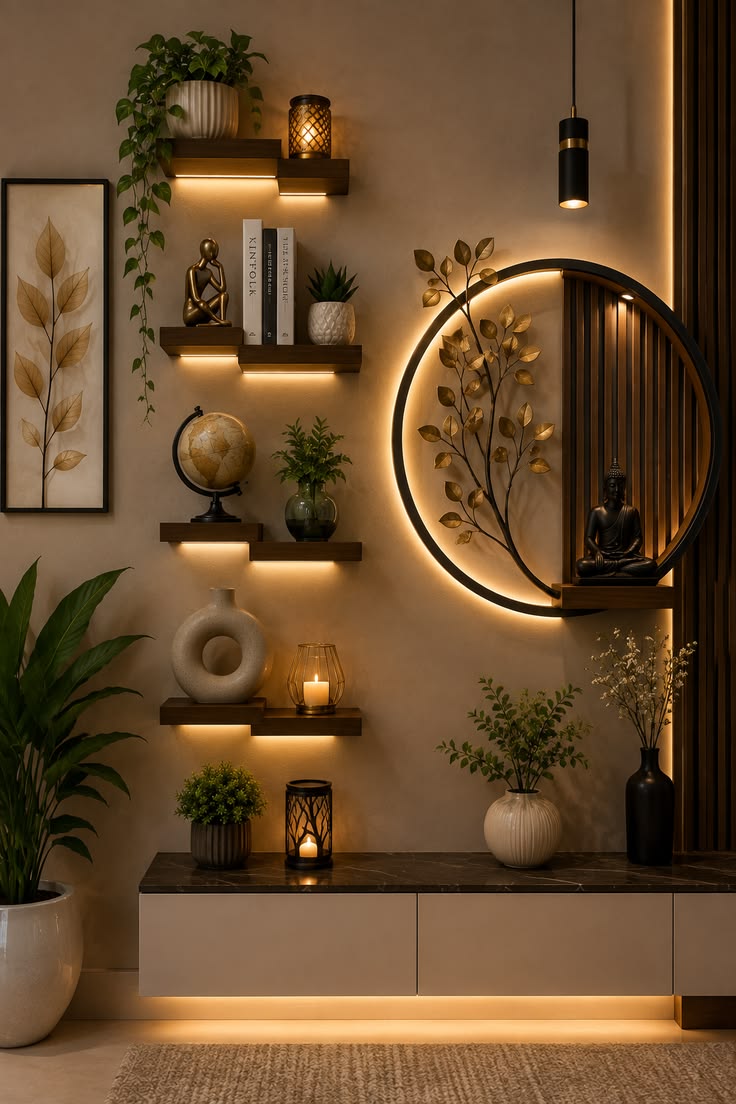
Wall decoration can instantly change the character of a room without replacing furniture or making major renovations. The right artwork, mirror, textile, sculpture, or decorative object can add color, texture, depth, and personality while making an empty wall feel intentional. Whether your style is minimalist, modern, eclectic, or classic, thoughtful wall decor helps turn a house into a more personal home.
Why Wall Decoration Matters in Interior Design
Walls cover a large part of any room, so leaving them completely bare can make an otherwise well-designed space feel unfinished. Wall decor gives the eye something to focus on and helps connect furniture, colors, lighting, and accessories.
Good wall decoration also reflects the people who live in a space. A carefully chosen painting can introduce a favorite color, while photography, prints, or handcrafted pieces can add a sense of identity that mass-produced furniture often cannot provide.
For art lovers, platforms such as Kunstplaza bring together contemporary artworks, limited editions, art prints, sculptures, and design objects, making it easier to find pieces that work with different interior styles.
Wall Decoration Ideas for Every Room
Living Room Wall Decor
The living room is often the best place for a larger statement piece. An oversized painting or expressive abstract artwork can become the focal point above a sofa, sideboard, or fireplace.
If one large work feels too dominant, consider a curated gallery wall. Combine different sizes and formats while keeping one visual connection, such as a shared color palette, frame style, subject, or artistic mood.
Bedroom Wall Decoration
Bedroom decor works best when it supports a calm atmosphere. Soft photography, understated abstract art, botanical prints, and textile wall hangings can introduce visual interest without making the room feel busy.
Placement matters here. A large piece above the bed can create a natural focal point, while smaller works arranged symmetrically can give the room a more balanced appearance.
Home Office Wall Art
A home office does not have to look purely functional. Art can make the space more inspiring and help establish a clear separation from the rest of the home.
Graphic prints, photography, contemporary paintings, or carefully selected design objects can add personality. Avoid filling every available section of wall, especially around a desk, where visual clutter can become distracting.
Hallway and Entryway Decor
Hallways are easy to overlook, but they offer valuable space for wall decoration. A narrow artwork, framed print, mirror, or series of smaller pieces can make an entrance feel more welcoming.
A mirror is especially useful in a smaller hallway because it can reflect light and create a greater sense of visual openness.
Popular Types of Wall Decoration
Paintings and Art Prints
Original paintings offer a strong sense of individuality, while limited-edition prints and high-quality reproductions can make artistic styles more accessible.
Choose artwork based on how it interacts with the room rather than simply matching the sofa. A little contrast can make both the artwork and the surrounding furniture more interesting.
Gallery Walls
Gallery walls are a flexible option for people who enjoy collecting art. They can combine paintings, photography, illustrations, posters, and other framed pieces.
Before putting nails into the wall, arrange the works on the floor or create paper templates. This makes it easier to test spacing and composition before committing to the final arrangement.
Textile Wall Art
Tapestries, fabric prints, woven pieces, and acoustic wall hangings add something that framed artwork cannot: physical softness and texture.
Textile wall art can work particularly well in bedrooms, reading corners, living rooms, and home offices. Some acoustic designs also combine decoration with practical sound-absorbing properties.
3D and Metal Wall Decor
Three-dimensional wall pieces create shadows and depth that change throughout the day as the lighting moves. Metal designs, sculptural reliefs, and layered decorative objects can work particularly well in contemporary interiors.
For example, handcrafted metal wall art can introduce a combination of texture, reflective surfaces, and sculptural form without taking up floor space.
How to Choose the Right Wall Decoration
Start by looking at the wall itself. Consider its width, height, natural light, nearby furniture, and the colors already present in the room.
Then decide what role the decoration should play. Do you want it to become the main focal point, fill an awkward empty area, introduce color, or create a quieter background?
A simple checklist can help:
- Measure the wall: Check the available width and height before buying.
- Consider the furniture: Artwork should relate visually to nearby sofas, beds, consoles, or tables.
- Look at the color palette: Choose complementary or contrasting colors intentionally.
- Think about scale: Small art can disappear on a large wall, while oversized pieces may overwhelm a narrow space.
- Check the lighting: Natural and artificial light can significantly affect how colors and textures appear.
- Leave breathing room: Empty space around an artwork can make it feel more important.
Wall Decoration Trends in 2026
Interior design in 2026 continues to move toward spaces with more personality, texture, and a sense of craftsmanship. Rather than treating walls as purely decorative backgrounds, homeowners are increasingly using artwork and tactile materials to give rooms a stronger identity.
Richer, more grounded colors are also finding their place alongside softer neutrals. Earthy shades, muted greens, warm browns, ochre, and subtle rose tones can provide an inviting backdrop for paintings, photography, and sculptural wall pieces.
There is also growing interest in pieces that feel personal rather than generic. Contemporary art, handmade objects, vintage-inspired pieces, and distinctive textiles can make a room feel collected over time instead of decorated all at once.
Common Wall Decoration Mistakes to Avoid
One of the most common mistakes is choosing artwork that is too small for the wall. A beautiful piece can lose its impact when surrounded by a large amount of empty space.
Another problem is hanging everything at random heights. Gallery walls can be eclectic, but they still benefit from a visual structure. Aligning certain edges or keeping consistent spacing can make a varied collection look intentional.
It is also worth avoiding excessive matching. Wall art does not need to repeat the exact color of your curtains, cushions, or rug. A controlled contrast often creates a more sophisticated result.
Finally, do not ignore the material and quality of the piece. Since wall decoration is highly visible, poorly finished frames, flimsy materials, or low-quality prints can affect the appearance of the entire room.
How to Make Wall Decor Feel Personal
The most successful wall decoration usually tells a story. Instead of choosing pieces only because they are fashionable, think about what you genuinely enjoy looking at.
A collection might include contemporary paintings, travel photography, family photographs, graphic prints, handmade textiles, or objects connected to a particular interest. Mixing different mediums can create a richer and more personal arrangement.
For those looking beyond conventional posters, an online art gallery such as Kunstplaza offers access to contemporary artists, emerging talent, limited editions, photography, mixed-media works, sculptures, and decorative design objects.
FAQ About Wall Decoration
What is the best wall decoration for a living room?
Large artwork, a gallery wall, mirrors, and sculptural pieces are popular choices. The best option depends on the room’s size, furniture arrangement, lighting, and overall style.
How do I choose the right size wall art?
Measure the wall and the furniture beneath it before choosing a piece. Artwork should have enough visual presence to relate to the surrounding furniture without overwhelming the room.
Should wall art match the furniture?
It does not need to match exactly. Instead, look for connections through color, material, subject, shape, or overall mood while allowing some contrast.
Are gallery walls still popular in 2026?
Yes. Gallery walls remain a flexible way to display different artworks and personal objects, especially when the collection has a consistent visual relationship.
What can I use instead of framed pictures?
Textile art, tapestries, mirrors, metal wall sculptures, ceramic pieces, reliefs, acoustic panels, and other three-dimensional objects can all add character to a wall.
Conclusion
Good wall decoration does more than fill an empty surface. It can establish a focal point, introduce texture and color, express personal taste, and bring the different elements of a room together. From a single contemporary painting to a layered gallery wall or handcrafted 3D piece, the right choice can make your space feel finished without making it feel predictable.