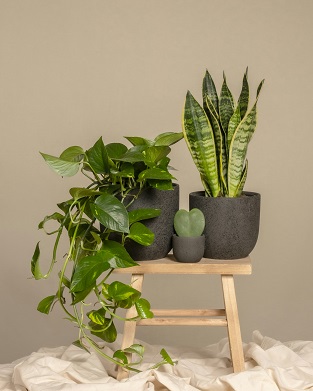
Indoor plants have gained considerable popularity in recent years, becoming a prominent feature in modern home décor. Their ability to transform spaces, coupled with the numerous benefits they offer, make them an appealing choice for many homeowners. As people increasingly seek ways to enhance their living environments, indoor plants provide a natural solution to elevate aesthetics while promoting overall wellness.
One of the primary advantages of having plants indoors is their significant role in improving air quality. Numerous studies have shown that indoor plants can filter pollutants and toxins from the air, leading to a healthier living space. They contribute to a cleaner atmosphere by absorbing carbon dioxide and releasing oxygen through photosynthesis. Additionally, certain plants have been identified to remove common indoor toxins such as formaldehyde and benzene, making them essential for any home.
Beyond air quality, indoor plants are known to enhance mood and reduce stress. Research indicates that the presence of greenery can lead to increased feelings of happiness and relaxation. The act of caring for plants can also serve as a therapeutic activity, providing individuals with a sense of purpose and promoting mindfulness. Engaging with nature, even within the confines of one’s home, has been shown to have positive psychological effects, reducing anxiety levels and fostering emotional well-being.
This blog post will focus specifically on easy-care indoor plants, which require minimal maintenance yet still provide all the aforementioned benefits. These plants are ideal for those who wish to enjoy the advantages of greenery in their homes without the commitment of extensive care. By selecting the right indoor plants, anyone can create a flourishing environment, enhancing both their home and their quality of life.
Factors to Consider When Choosing Indoor Plants
When selecting indoor plants, several critical factors must be considered to ensure that the chosen species thrive in the home environment. One of the primary factors is light conditions. Different plants have varying light requirements; some thrive in direct sunlight, while others prefer indirect light or shade. It is essential to assess the natural light availability in your home and choose plants that can adapt to those specific conditions. For instance, low-light tolerant plants such as snake plants and pothos are ideal for areas with limited sunlight.
Humidity is another significant aspect to factor in when choosing indoor plants. Many houseplants, particularly tropical varieties, thrive in high humidity environments. If you live in a drier climate or have heating and air conditioning that tends to lower humidity levels, you may need to implement additional measures, such as misting the plants or using a humidifier to create a suitable atmosphere.
Temperature is also a crucial criterion. Most indoor plants prefer a temperature range between 65°F to 75°F (18°C to 24°C). Extreme temperature fluctuations or exposure to drafts can stress plants and hinder their growth. Awareness of the seasonal changes in indoor temperatures is key to maintaining plant health.
Finally, consider the available space for your indoor plants. Some plants grow tall or wide, while others remain compact. Understanding the growth potential of each species helps in planning the plant layout in your home. In summary, observing the light, humidity, temperature, and available space will guide you in selecting the best indoor plants that align with your home conditions and care preferences.
Top Low-Maintenance Indoor Plants
When it comes to selecting indoor plants that are both aesthetically pleasing and easy to care for, low-maintenance varieties are a perfect choice. They are ideal for individuals with busy lifestyles or those who may be new to plant care. Below is a curated list of some of the best low-maintenance indoor plants.
Snake Plant (Sansevieria): The Snake Plant is renowned for its hardiness and ability to thrive in various light conditions, making it an excellent choice for beginners. This succulent-like plant can survive with minimal water and is quite forgiving if you occasionally forget to water it. Its tall, upright leaves add a modern touch to home decor while also filtering indoor air pollutants, thus contributing to a healthier living environment.
ZZ Plant (Zamioculcas zamiifolia): The ZZ Plant is a true champion in terms of resilience and requires little attention to flourish. Its glossy, dark green leaves reflect light beautifully, enhancing interior spaces. This particular plant is tolerant of low light and drought-like conditions, thus appealing to those who may not have a green thumb. The ZZ Plant’s minimal upkeep needs, combined with its elegant appearance, make it an attractive option for any home.
Pothos (Epipremnum aureum): Known for its trailing, vibrant vines, the Pothos is not only visually appealing but also very easy to maintain. This versatile plant can grow in a variety of lighting conditions, from low light to bright indirect sunlight. Additionally, Pothos can thrive in water, making it an excellent choice for those who may prefer hydroponic gardening. Regular trimming will promote fuller growth, but overall, it requires minimal care.
These low-maintenance indoor plants offer a perfect blend of beauty and simplicity, making them ideal for individuals who wish to incorporate greenery into their spaces without the demands of extensive care.
Benefits of Each Recommended Plant
Indoor plants offer a multitude of benefits, enhancing both the aesthetic and functional aspects of home environments. Let us explore the advantages of several popular indoor plants.
One of the foremost contenders in air purification is the Spider Plant. Known for its ability to absorb harmful pollutants such as formaldehyde and xylene, it contributes to a healthier indoor atmosphere. Additionally, the Spider Plant is exceptionally easy to care for and thrives in various lighting conditions, making it suitable for different rooms.
The Pothos is another plant renowned for its ease of care and effectiveness in cleaning air toxins. Its trailing vines add a touch of greenery that can brighten any space. Resilient and adaptable, Pothos can endure neglect, thus making it perfect for busy lifestyles. Its visual appeal is complemented by its air-purifying qualities, creating a dual benefit for homeowners.
Snake Plant, often referred to as the mother-in-law’s tongue, is particularly remarkable for its unique ability to convert CO2 into oxygen at night, thereby improving air quality during nighttime sleep. This plant is highly tolerant of low light and variable watering schedules, appealing to both novice and experienced plant enthusiasts.
For those seeking an ornamental flair, Peace Lily serves as both a beautiful addition and an air purifier. Its striking white flowers bring an elegant look to indoor spaces while absorbing moisture and various toxins from the air. The Peace Lily requires minimal care, thriving in shaded areas where other plants may struggle.
Lastly, the ZZ Plant is celebrated for its resilience. This low-maintenance plant flourishes in low-light conditions and needs infrequent watering. Its glossy leaves enhance aesthetic appeal, while it actively removes pollutants, thus ensuring a fresher indoor environment.
Each of these recommended indoor plants offers unique benefits, ranging from air purification to aesthetic enhancement, making them ideal choices for creating a comfortable and healthy home environment.
Care Tips for Indoor Plants
Successful indoor gardening begins with understanding the unique care requirements of each plant species. Different indoor plants have varying needs in terms of watering, light, and fertilization. Hence, it is essential to cater to these requirements for thriving houseplants.
Firstly, watering is one of the most critical aspects of indoor plant care. Different plants have distinct hydration needs; for instance, succulents and cacti require less frequent watering than tropical plants like ferns or peace lilies. A good rule of thumb is to check the top inch of soil. If it feels dry, it is time to water. Overwatering can lead to root rot, which is detrimental to your indoor plants. Therefore, it’s advisable to use pots with drainage holes to facilitate proper water management.
Sunlight needs vary significantly among different indoor plants. While some, like snake plants and pothos, thrive in low-light conditions, others, such as succulents, demand bright, indirect sunlight. Placing your plants in an appropriate location based on their light requirements is essential. A south-facing window is often ideal for sunlight-loving plants, whereas shade-tolerant varieties can flourish further away from direct light sources.
Fertilization is also an integral part of indoor plant care. During the growing season, typically spring and summer, using a balanced, water-soluble fertilizer once a month can help replenish nutrients. It’s important to follow the manufacturer’s recommendations, as over-fertilization can damage your plants. During the dormant months of fall and winter, it is wise to reduce or eliminate fertilization altogether.
In summary, proper care of indoor plants involves understanding their specific needs in terms of watering, sunlight, and fertilization practices. By paying attention to these factors, plant enthusiasts can ensure their indoor gardens thrive.
Common Indoor Plant Issues and Solutions
Indoor plants bring vibrancy and life to homes, but they are not without their challenges. Common issues that indoor plant owners face include pests, overwatering, and yellowing leaves, which can be indicative of larger problems.
One prevalent issue is pest infestation. Common pests such as spider mites, aphids, and scale insects can wreak havoc on indoor plants. To combat this, homeowners should regularly inspect their plants for any signs of pests. In the event of an infestation, treating the plants with insecticidal soap or a neem oil solution can effectively eliminate these unwanted visitors. Preventive measures include keeping plants clean and dust-free, ensuring proper air circulation, and isolating affected plants to prevent the spread of pests.
Overwatering is another frequent problem that can lead to root rot and other detrimental conditions. Many indoor plant owners mistakenly believe that more water equates to better plant health. However, it is essential to understand the specific watering needs of each plant species. To prevent overwatering, ensure that pots have drainage holes and allow the soil to dry out slightly between waterings. Utilizing a moisture meter can also be a useful tool for determining when to water, promoting optimal conditions for plant health.
Yellowing leaves can signal various issues, including nutrient deficiencies or improper light levels. When leaves turn yellow, it may indicate that the plant is not receiving enough sunlight or that the soil lacks essential nutrients. Adjusting the light exposure and fertilizing with a balanced fertilizer can help restore the plant’s health. Additionally, it is crucial to assess the environment, making sure the temperature and humidity levels are appropriate for the specific type of plant.
By recognizing these common indoor plant issues and implementing the corresponding solutions, plant owners can create a thriving indoor garden that enhances their living spaces.
Decorating with Indoor Plants
Incorporating indoor plants into home décor can bring both aesthetic appeal and a refreshing ambiance. The placement and arrangement of plants are crucial to achieving a harmonious look in your living spaces. Various strategies can elevate your home and integrate greenery seamlessly.
To begin, consider the natural lighting available in each room. For example, succulents and cacti thrive in bright, sunny areas such as windowsills. On the other hand, plants like snake plants and pothos can adapt well to lower light settings, making them suitable for darker corners of your home. Grouping different plant types allows you to create visual interest, combining tall plants with trailing vines and compact varieties.
Using plant stands can elevate your green friends and add layers to your décor. An adjustable plant stand or a set of staggered shelves can transform a simple plant into a focal point by drawing the eye upwards. Vertical space can be utilized effectively with hanging planters, which bring life to walls and ceilings. Use macramé hangers or contemporary floating shelves to introduce height and dimension to your interior design.
For a more cohesive look, arrange plants based on themes or colors. This can mean clustering similar leaf shapes or contrasting textures. For example, pairing the smooth leaves of a rubber plant with the feathery foliage of a fern creates an appealing textural contrast. Add decorative pots or containers that correspond with your color scheme to enhance the overall décor, ensuring they complement the existing color palette in the room.
Lastly, don’t hesitate to mix sizes and heights. By combining mini potted plants with taller specimens, you can create dynamic arrangements that capture attention. When styled thoughtfully, indoor plants can not only enhance the aesthetic of your home but also provide a calming environment, making your space more enjoyable.
Environmental Impact of Indoor Plants
Indoor plants offer a variety of environmental benefits that extend beyond mere aesthetics. One primary advantage is their ability to absorb carbon dioxide, which is crucial for maintaining air quality. During the process of photosynthesis, plants convert carbon dioxide into oxygen, thereby enhancing the overall air purity in indoor settings. This natural process becomes particularly significant in urban environments, where air pollution levels can be relatively high.
Moreover, indoor plants contribute to the enhancement of indoor humidity. They release moisture vapor through a process called transpiration, which not only helps in maintaining optimal humidity levels but also creates a more comfortable living atmosphere. Research indicates that adequate humidity can reduce instances of dry skin, respiratory issues, and overall discomfort, thus leading to better health outcomes.
Caring for indoor plants can also promote a sustainable lifestyle. Engaging in plant care cultivates a deeper connection to nature, fostering an appreciation for the environment. This connection may encourage individuals to adopt more sustainable practices, such as recycling and minimizing waste. Additionally, the act of nurturing plants provides a sense of responsibility and mindfulness, which can be beneficial for mental well-being.
Another notable environmental impact includes the potential reduction of noise pollution. Certain plants can absorb sound, making indoor spaces quieter and more serene. This is especially advantageous in densely populated areas, where noise can contribute to stress and distraction.
In summary, incorporating indoor plants into living spaces not only enhances aesthetics but also plays a vital role in improving air quality, increasing humidity, and encouraging sustainable living practices. These environmental benefits collectively highlight the importance of indoor plants in fostering healthier and more mindful indoor environments.
Conclusion and Encouragement to Start a Plant Journey
Indoor plants offer a multitude of benefits that can enhance any living space. Not only do they improve air quality by filtering toxins, but they also increase humidity, which can contribute to better respiratory health. Additionally, indoor plants have been shown to elevate moods, reduce stress, and foster a sense of tranquility within the home. The act of nurturing plants can also be a fulfilling hobby that encourages mindfulness and commitment to care.
When considering which indoor plants to include in your decor, it is essential to select varieties that align with your lifestyle and care capabilities. Some plants, such as snake plants or pothos, are well-known for their resilient nature and minimal maintenance requirements, making them perfect choices for novice gardeners or those with busy schedules. Recognizing which plants thrive in your environment, based on factors such as light availability and humidity levels, will greatly enhance your chances for success.
As you embark on your journey to create an indoor garden, remember that the process of cultivating plants can be rewarding and transformative. Engaging with nature—whether through the vibrant hues of foliage or the release of pleasant fragrances—can improve your overall well-being while creating a welcoming atmosphere in your home. Embrace the opportunity to explore various indoor plants; start small, observe their growth, and find joy in caring for them.
In conclusion, beginning your indoor gardening journey not only benefits your physical and mental health but also enriches your home environment. With the right selections of easy-care plants and a bit of commitment, you can enjoy the delightful companionship that greenery brings to your living spaces.