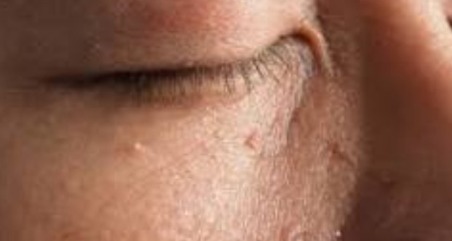
Waking up to a small growth on your eyelid feels alarming at first, even if it turns out to be nothing serious. Plenty of people search for safe skin tag eyelid removal the moment it starts catching on their lashes or their glasses.
Eyelid skin happens to be some of the thinnest skin on your body, so this isn’t a job for guesswork. This guide walks through why these tags show up, which treatments actually work, and how to heal properly afterwards. Stick with it, and you’ll know exactly what to expect before you ever sit in the chair.
Understanding Skin Tag Eyelid Removal
Skin tags form when loose collagen fibres and tiny blood vessels get trapped inside a fold of skin. Once you understand why they gather around the eye, choosing the right removal method gets a lot easier.
What Causes Skin Tags on the Eyelid
Friction is usually the biggest culprit, and blinking happens thousands of times a day. Age plays a part too, since skin gradually loses its elasticity over the years. Genetics matter more than most people expect, and family history often predicts who gets tags. Hormonal changes during pregnancy or menopause can trigger new growths as well. None of these causes points to cancer, so there’s rarely cause for panic.
Why the Eyelid Area Needs Extra Care
Skin around the eyes is thinner and more fragile than skin almost anywhere else on the face. Blood vessels sit closer to the surface here, which raises the risk of bruising. Nerve endings cluster densely near the eye too, so sensitivity runs higher during any procedure. That’s exactly why a proper assessment matters before treatment even starts.
Removal of Skin Tags on Eyelids: What to Consider
Skin tag on eyelid removal requires professional use of controlled techniques that have been designed specifically for sensitive skin. Your dermatologist will choose an appropriate technique depending on your skin tag’s characteristics.
Cryotherapy
Cryotherapy freezes the tag with a controlled cold source held briefly against the skin. The tissue dies off and falls away naturally within a week or two. It suits smaller tags well and rarely causes much discomfort.
Cautery
Cautery uses controlled heat to remove the tag and seal the wound in one step. Clinicians often favour this for tags sitting close to the lash line. Healing is usually quick, typically just a few days with sensible aftercare.
Minor Excision
Excision removes larger or stubborn tags with fine surgical tools under local anaesthetic. Dermatologists tend to reserve this for tags that don’t respond to gentler methods. Recovery is generally fast, though mild swelling can show up briefly.
Skin tags are far more common than most people assume, if the research is anything to go by. Roughly 50% to 60% of adults develop at least one during their lifetime, with numbers climbing sharply after forty (NCBI). That statistic alone should reassure anyone worrying they’re somehow unusual for having one.
Why Professional Skin Tag Eyelid Removal Matters
Choosing professional skin tag eyelid removal protects your eyes from damage that’s genuinely hard to undo. At London Dermatology Clinics, dermatologists follow strict clinical protocols that no home kit could ever replicate, working from a Harley Street base with proper CQC oversight behind every appointment.
The Trouble with Home Removal
Cutting or tying off a tag yourself risks cuts, infection, and scarring dangerously close to the eye. Over-the-counter creams simply weren’t designed with such sensitive skin in mind. Even a small slip near the eyelid can affect your vision temporarily.
Why a Specialist Makes the Difference
A qualified dermatologist examines your tag properly before recommending anything at all. That single step cuts your risk of infection, scarring, or a tag that grows straight back. You’ll also walk away with clear aftercare guidance suited to your own skin.
Aftercare and Recovery Tips
Proper aftercare speeds healing and supports safe skin tag on eyelid removal recovery around such a sensitive area. Sticking to your clinician’s instructions really does make a noticeable difference.
- Keep the treated area clean and completely dry
- Resist the urge to rub or touch the healing skin
- Skip eye makeup until everything’s fully healed
- Watch for redness, swelling, or any unusual discharge
What Happens at Your Consultation
Your first visit gives the dermatologist proper time to examine the tag up close. It’s also your chance to ask about pain, timing, and what results to expect. Most consultations take under thirty minutes from start to finish. The area gets numbed first, so discomfort stays minimal throughout the whole process. Many patients return to their normal day within hours, not days.
Book a consultation for safe skin tag eyelid removal with a team that actually specialises in this kind of delicate work. Early assessment protects your eyes and, frankly, saves you a lot of unnecessary worry.
Eyelid skin tags are common, harmless, and genuinely easy to treat once you see the right person. Professional removal protects the delicate skin around your eyes in ways no home method ever could. London Dermatology Clinics offers exactly that kind of careful, experienced approach, right in the heart of London. If a tag’s bothering you, book a consultation and let someone qualified take it from here.