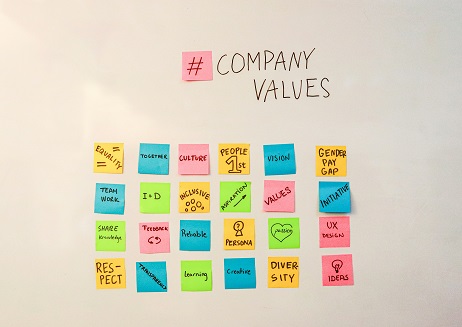
Company culture is a multifaceted concept that encompasses the shared values, beliefs, behaviors, and practices that shape the environment within an organization. Essentially, it is the collective personality of a workplace, influencing how employees interact with each other and approach their work. A strong company culture reflects the essence of its mission and vision, serving as a guiding framework for decision-making and daily operations. At its core, company culture is comprised of various elements. Values are the fundamental principles that guide employees’ actions and decisions. These core values define what is important to the organization and serve as a benchmark for measuring behavior and performance. Beliefs, on the other hand, reflect the prevailing attitudes within the company regarding how work should be performed and what constitutes success. Lastly, the behaviors exhibited by employees and leadership manifest the culture in real-time, often serving to reinforce or challenge the established norms.
The impact of company culture on employee satisfaction cannot be overstated. A positive culture fosters an environment where individuals feel valued, encouraged, and aligned with the organization’s goals. This sense of belonging not only enhances morale but can lead to increased productivity and overall effectiveness. Employees are likely to be more engaged and committed when they resonate with the culture, resulting in reduced turnover rates and higher retention.
Moreover, company culture plays a critical role in business success. Research suggests that organizations with a vibrant and positive culture are more resilient, innovative, and adaptable to change. Such adaptability is vital in today’s fast-paced business environment, where the ability to pivot and remain competitive is paramount. In this light, cultivating a robust company culture becomes essential for long-term growth and sustainability.
The Importance of a Strong Company Culture
Company culture refers to the shared values, beliefs, and practices that shape the behavior and interactions of employees within an organization. A strong company culture is crucial as it influences various organizational outcomes such as employee retention, recruitment, brand image, and overall performance. Investing in a positive workplace culture can yield significant advantages that are reflected in the effectiveness and efficiency of the workforce.
One of the key impacts of a robust company culture is its effect on employee retention. Studies have shown that organizations with a strong culture experience lower turnover rates. According to a report by the Society for Human Resource Management (SHRM), companies with engaged employees are 87% less likely to leave their workplaces. When employees feel aligned with the company’s values and mission, they are more likely to commit to the organization long-term.
Additionally, a well-defined company culture plays a major role in attracting new talent. In a competitive job market, prospective employees are increasingly looking for workplaces that resonate with their personal values and offer an environment conducive to growth. A positive company culture can distinguish an organization from its competitors, leading to a more diverse and qualified applicant pool. Glassdoor reports that 77% of employees consider a company’s culture before applying for a job.
Furthermore, a strong company culture can enhance brand image and reputation. Organizations that prioritize a positive culture often receive favorable publicity and build strong relationships with customers. This loyalty translates into increased customer satisfaction, revenue growth, and overall market performance. Case studies from companies such as Zappos and Google exemplify how a commitment to nurturing company culture leads to elevated employee morale and productivity, ultimately driving business success.
Defining Your Core Values
Establishing core values is instrumental in fostering a strong company culture that aligns with the organization’s mission and vision. To begin this process, leaders should engage in a collaborative discussion with key stakeholders, including employees across various levels and departments. This inclusive approach ensures a broad representation of perspectives, enhancing the relevance and acceptance of the identified values.
The first step in defining core values is conducting a values assessment. This can be achieved through surveys, workshops, or focus groups where employees can express what they believe are the underlying principles of the organization. Leaders should encourage open dialogue, fostering an environment where all team members feel comfortable sharing their thoughts and experiences. This transparency will provide valuable insights into what employees perceive as essential to the company culture.
Once feedback has been gathered, the next step is to categorize the responses into themes. Common themes can then be distilled into core values that reflect the organization’s identity and aspirations. It’s important to ensure these core values are not merely aspirational but should reflect the actual practices and behaviors within the organization. As such, leaders must analyze the current operations and the degree to which they align with potential core values.
After concluding this thematic analysis, the organization should articulate each core value clearly and concisely. This articulation should include practical definitions or examples that demonstrate how these values manifest in daily operations. Once defined, dissemination of these values throughout the organization is crucial. This can include integrating them into the hiring process, performance evaluations, and employee training programs to reinforce their importance and application across the company.
Leadership’s Role in Shaping Culture
Leadership plays a pivotal role in establishing and nurturing an organization’s culture. The ways in which leaders engage with their employees, communicate expectations, and set strategic visions significantly influence the prevailing cultural environment. Leadership styles, whether transformational, transactional, or servant-oriented, affect how employees perceive their roles and the organization’s overall objective.
For instance, transformational leaders who inspire and motivate their teams tend to cultivate an environment that values innovation and collaboration. This style of leadership encourages employees to contribute their ideas, fostering a culture of open communication and trust. In contrast, a more transactional approach may focus on structured roles and reward systems, potentially leading to a corporate culture that prioritizes performance over creativity. Therefore, understanding how different leadership styles resonate within the team is essential for shaping a healthy, productive workplace culture.
Moreover, leading by example is a crucial component of effective leadership in relation to company culture. Leaders who embody the values and behaviors they expect from their employees set a standard that reinforces the desired cultural attributes. This alignment between leadership actions and organizational values encourages employees to adopt similar behaviors, thus embedding those principles more deeply within the culture. For instance, if a leader prioritizes accountability, employees are likely to follow suit, creating an environment of shared responsibility.
Additionally, leaders have the power to cultivate a culture of inclusivity and diversity by promoting equity and fairness in decision-making. When leaders actively engage in recognizing and celebrating diverse perspectives, they not only enhance employee morale but also contribute to a richer organizational culture.
In conclusion, effective leadership is integral to the development of a strong company culture. By embodying principles, demonstrating positive behaviors, and fostering a sense of community, leaders can profoundly impact the cultural landscape of their organizations.
Effective Communication in the Workplace
Effective communication is a cornerstone of building a strong company culture, as it fosters transparency, trust, and collaboration among team members. A communication framework that encourages open dialogue is crucial for creating an environment where employees feel comfortable sharing their ideas, concerns, and feedback. This openness helps to break down hierarchical barriers and promotes an inclusive atmosphere where everyone’s voice is valued.
To cultivate transparent communication, organizations can implement regular check-ins and team meetings. These gatherings serve as platforms for discussing ongoing projects, addressing challenges, and celebrating collective victories. Additionally, utilizing various communication tools such as instant messaging, email, and video conferencing can ensure that all team members remain connected, regardless of their physical location. By adopting a multi-channel approach, companies can effectively cater to different communication styles and preferences within their workforce.
Encouraging feedback is another vital strategy in strengthening workplace communication. It is important for employees to feel that their opinions matter. Creating an anonymous feedback system can be an excellent way to gather insights without putting employees at risk of negative repercussions. Regularly soliciting feedback not only demonstrates a commitment to employee engagement but also highlights areas for improvement within the organization. Consequently, this leads to a stronger, more cohesive culture.
Moreover, building trust within teams is essential for fostering effective communication. Leaders should model trustworthiness by being approachable, honest, and responsive. Encouraging team members to actively listen and respect differing viewpoints can further promote trust. When employees feel secure in their interactions, they are more likely to engage freely, share innovative ideas, and collaborate effectively. Through these concerted efforts, organizations can create a resilient company culture driven by strong communication practices.
Encouraging Employee Engagement and Involvement
Fostering a vibrant company culture necessitates a concerted effort to engage employees at all levels of the organization. One of the most effective methods for enhancing employee engagement is through recognition programs. These programs can take various forms, such as employee-of-the-month awards, peer-to-peer recognition platforms, or annual celebrations recognizing individual and team accomplishments. By regularly acknowledging employees’ contributions, organizations not only boost morale but also inspire others to strive for excellence.
Furthermore, implementing team-building activities is essential in promoting collaboration and camaraderie among employees. These activities can range from informal gatherings to structured workshops and retreats aimed at improving teamwork. By creating opportunities for employees to connect and communicate outside of their usual work environments, companies can foster stronger relationships, which directly translate to improved collaboration and engagement in daily operations.
An inclusive decision-making process is another crucial aspect of encouraging employee involvement. When employees feel their opinions and contributions matter, they are more likely to participate actively in cultural initiatives. Organizations should strive to create avenues for feedback, such as regular surveys, focus groups, or town hall meetings. This open dialogue empowers employees by providing them with a voice in shaping the company’s culture and policies. By involving employees in these discussions and decisions, organizations foster a sense of ownership and responsibility toward the company’s culture.
Implementing these techniques not only enhances employee engagement but also contributes to a stronger, more unified company culture. When employees feel recognized, connected, and involved, they are more likely to take pride in their work and contribute positively to the organization’s overall atmosphere. Therefore, prioritizing engagement initiatives is essential for cultivating a thriving company culture.
Diversity and Inclusion in Company Culture
Diversity and inclusion are critical components of a strong company culture, as they foster a work environment that values different perspectives, experiences, and backgrounds. By embracing diversity, organizations can cultivate innovative thinking and creativity. Research suggests that diverse teams are more adept at problem-solving and generating fresh ideas, which can lead to enhanced performance and business outcomes.
An inclusive culture ensures that all employees feel respected and valued, regardless of their identity. This sense of belonging can significantly contribute to employee satisfaction and retention. Employees who perceive their workplace as inclusive are more likely to engage fully in their work and contribute to a positive organizational atmosphere. This, in turn, enhances collaboration and teamwork among staff members, leading to better overall results.
To promote diversity and inclusion within a company culture, organizations can adopt several practical strategies. Firstly, it is essential to implement unbiased recruitment practices that ensure a diverse talent pool. This involves utilizing a variety of recruitment channels and practices that reach underrepresented groups and actively working to eliminate biases in the hiring process.
Secondly, providing diversity training and workshops can raise awareness about the importance of inclusion and educate employees on how to foster a welcoming workplace. Encouraging open dialogue about diversity issues within the company also fosters understanding and respect among team members.
Finally, leadership plays a pivotal role in establishing a strong commitment to diversity and inclusion. Leaders should model inclusive behavior and publicly support diversity initiatives. By prioritizing these values at all levels of the organization, companies can build a resilient culture that is not only diverse but also thrives on collaboration, innovation, and success.
Measuring and Assessing Culture
Successfully building a strong company culture necessitates a thorough measurement and assessment strategy. To determine the effectiveness of organizational culture, various methods can be employed. One of the most prevalent tools is the employee survey, which provides insights directly from the workforce. These surveys can assess employees’ perceptions of the workplace environment, management practices, and overall job satisfaction. Furthermore, they can include questions related to company values and employee engagement, thus measuring alignment with the desired culture.
Performance metrics also play a critical role in evaluating company culture. By examining turnover rates, employee engagement levels, and productivity statistics, organizations can glean important insights. For example, high turnover may indicate cultural issues that need to be addressed, whereas consistent employee performance can signal a healthy, motivating environment. Additionally, metrics related to collaboration and teamwork can provide further context on how the culture manifests in daily operations.
Cultural assessments, often conducted by external consultants, represent another valuable method for gauging organizational culture. These assessments involve comprehensive evaluations of behavioral norms, communication styles, and the workplace atmosphere. By utilizing tools such as focus groups and interviews, consultants can identify cultural strengths and weaknesses, providing actionable recommendations for improvement.
Ultimately, measuring and assessing company culture is a multifaceted process that requires a combination of employee feedback, performance data, and expert evaluations. Regularly revisiting these measurement methods ensures that the company evolves in alignment with its core values and objectives, allowing it to cultivate and maintain a robust culture that supports its mission and vision.
Sustaining and Evolving Company Culture
Building a strong company culture is only the beginning; maintaining and evolving that culture is a continuous journey that requires ongoing attention and commitment from all levels of the organization. The first step in sustaining company culture is ensuring that it is deeply woven into the fabric of the organization, ingrained in everyday practices, procedures, and communications. This alignment helps reinforce cultural values continuously, ensuring that they resonate with employees and promote a conducive work environment.
A crucial strategy for sustaining company culture involves regular assessments of how the existing culture aligns with the organization’s evolving goals. Periodic employee surveys and feedback mechanisms allow organizations to gauge employee sentiment and identify any cultural dissonance that may arise as the company grows. This feedback is not just a barometer of employee morale; it also serves as a guide to modifying company culture in line with changing organizational priorities and employee needs.
Additionally, the leadership plays a vital role in assuring that company culture remains vibrant and relevant. Leaders should exemplify company values and encourage behaviors that reflect the desired culture. Moreover, as organizations grow and diversify, inclusivity in the cultural framework becomes paramount. Formulating strategies that celebrate diverse perspectives fosters a culture of belonging, which is essential to attracting and retaining talent.
Another effective method of evolving and sustaining company culture is through continuous learning and development initiatives. Investing in the professional growth of employees not only aligns with personal aspirations but also reinforces a culture of innovation and adaptability. This approach keeps the company culture dynamic, enabling the organization to adjust to external market shifts while still adhering to core values that define its identity.
In conclusion, sustaining and evolving company culture is an ongoing commitment that requires active participation from all organizational levels. Through continuous feedback mechanisms, strong leadership, inclusivity, and a focus on development, companies can ensure their culture remains a powerful asset aligned with both business objectives and employee engagement.