



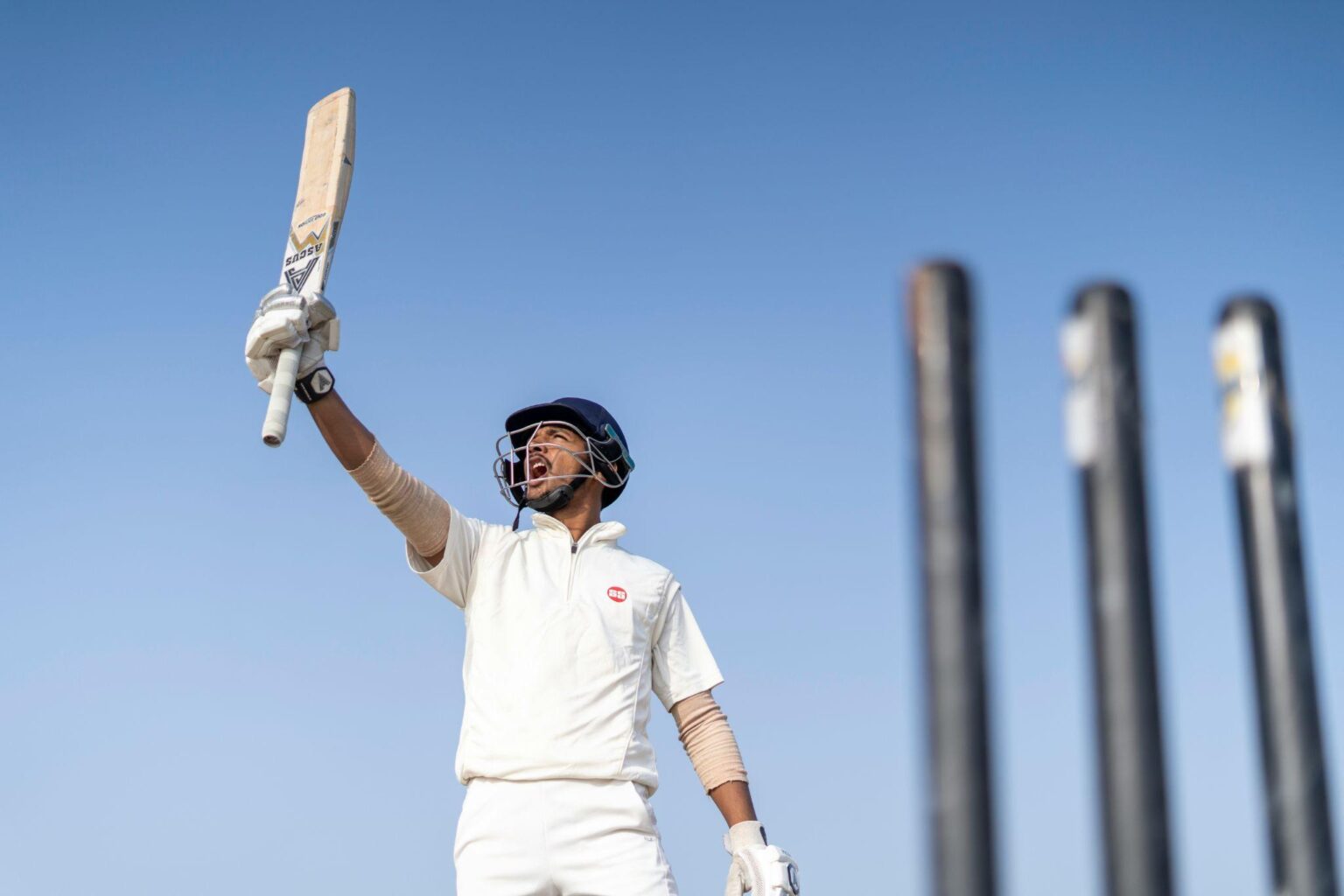
The scores are level. Both teams have completed their innings, and not a single run separates them. The match is tied, but the result may still be undecided. In competitions that use it, cricket’s next step is the Super Over: a short contest in which each side faces one over of six legal deliveries, unless its innings ends earlier.
A Super Over may resemble a penalty shootout, but its rules and rhythm are very different. Understanding the procedure helps explain how teams choose their batters, why every wicket matters, and what happens if the scores are level again. For readers following desi cricket live match betting, knowing the rules also makes the final moments of a tied match easier to follow. Here’s what to watch.
What happens when a T20 ends?
When both teams finish their innings with the same score, the match is tied. If the competition’s playing conditions provide for a Super Over, the teams then play a one-over-per-side tiebreaker to determine the winner.
Each side faces up to six legal deliveries. The team that scores more runs in its Super Over wins the match. If the first team scores 12, for example, the second team needs 13 to win.
The comparison is based on runs, not wickets. A team can win the Super Over even after losing one wicket, provided it scores more than its opponent. The short format makes every delivery important: a boundary can create a useful target, while a wicket can bring the innings to an early end.
How does a Super Over actually work?
The basic format is straightforward: one over for each team, with the higher score deciding the result. However, several details affect how the over unfolds.
- Six legal deliveries: Each side is entitled to one over, but wides and no-balls do not count towards the six legal balls. The bowler must deliver another ball.
- Two-wicket limit: If the batting side loses two wickets, its Super Over innings ends immediately, even if some deliveries remain.
- Normal scoring: Runs are scored under the usual rules, including singles, twos, boundaries, wides, and no-balls.
- Target for the second side: The chasing team needs one more run than its opponent’s total to win.
The two-wicket limit is especially important. In a regular T20 innings, a team can lose ten wickets before being dismissed. In a Super Over, losing just two ends the innings. That means a maximum of three batters can take part: the two who start and a third who comes in after a dismissal.
The batting side therefore has to balance aggression with the risk of losing wickets. A high score is valuable, but an early second dismissal can leave the team with no chance to use its remaining deliveries.
Who bats and bowls first in the tiebreaker?
The order is based on the main match. Under ICC Men’s T20I playing conditions, the team that batted second in the original match bats first in the Super Over.
That means the side that chased the target in the main innings now has to set one. The team that originally batted first gets the chance to chase it.
For example, imagine Team A bats first in the match and Team B chases. If the main match ends in a tie, Team B bats first in the Super Over, while Team A bats second.
This reversal changes the pressure. The original chasing side must now produce a total without knowing exactly what it will need to defend. The other team can plan its approach once the target is set.
The fielding captain also chooses the end from which the Super Over will be bowled. The umpires supervise the procedure, including the selection and use of the ball under the applicable playing conditions.
Which players can be chosen?
The Super Over is not an opportunity to bring in an entirely new group of players. Under ICC T20I conditions, only players nominated for the match, including permitted concussion replacements, may take part.
The two-wicket limit means that a batting side can use no more than three batters in its over. The captain and team management therefore need to consider which players are best suited to the short format.
A few factors influence those choices:
- Power hitting: A batter who can clear the boundary may be valuable when only six legal deliveries are available.
- Running between the wickets: Quick singles and well-judged twos can make a difference when the field is spread.
- Experience under pressure: A player who stays composed in a high-pressure situation may make better decisions when the margin for error is small.
- Bowling options: The captain chooses a bowler for the one-over assignment, taking into account the batter’s strengths and the conditions.
The third batter is particularly important. If the side loses a wicket early, that player may have to score quickly with very little time to settle in.
Do fielding restrictions change for the Super Over?
The Super Over uses the fielding restrictions that would apply during the final over of an uninterrupted match under the relevant competition’s playing conditions.
In an ICC Men’s T20I, that means the bowling side can have no more than five fielders outside the 30-yard circle. The captain still has to decide where those fielders will be most effective.
That creates a tactical trade-off. Placing more fielders near the boundary can help prevent sixes and fours, but may leave gaps for singles and twos. Bringing a fielder closer can create pressure or a catching opportunity, but it also exposes part of the boundary.
The bowling captain must decide whether to protect the boundary, restrict easy running, or create opportunities for wickets. With only six legal deliveries available and the innings ending after the second wicket, every fielding position has a clear purpose.
What if the Super Over is also tied?
If both teams score the same number of runs in the Super Over, another Super Over is played under current ICC Men’s T20I conditions, unless exceptional circumstances prevent it.
The process is repeated until one team scores more than the other. There is no automatic boundary-countback tiebreaker in the current ICC Men’s T20I procedure.
There are also specific rules for subsequent Super Overs:
- The team that batted second in the previous Super Over bats first in the next one.
- A batter dismissed in an earlier Super Over cannot bat in a later one.
- The bowler who delivered the previous Super Over cannot bowl the next one.
- The fielding side must bowl from the opposite end to the one it used in the previous Super Over.
If weather, time restrictions, or other exceptional circumstances prevent the required Super Overs from being completed, the match may remain tied. The exact arrangements depend on the applicable competition rules.
Why can six balls change everything?
Imagine a team setting a target in its Super Over. The first delivery produces no run. Pressure builds immediately, because only five legal balls remain.
The next delivery is a wide, giving the batting side an extra run without using up a legal ball. Then comes a six over midwicket, changing the target and the mood of the contest.
A wicket on the following delivery brings in the third batter. Suddenly, the team has to balance the need for more runs with the risk of losing its second wicket and ending the innings.
That’s the appeal of the Super Over. A single delivery can change the target, the batting order, and the decisions made by both captains. The main match may have lasted three hours, but its result can come down to a handful of moments.
Is a Super Over just extra cricket?
It’s easy to mistake the Super Over for a broadcast feature or an optional extra. It is neither. When the competition’s playing conditions provide for it, the Super Over is an official procedure used to decide a tied match.
Live score pages, commentary, statistics, and betting markets are separate from the playing rules. They help people follow the action, but they do not determine how the tiebreaker is conducted.
Keeping those things separate makes the match easier to understand. The umpires apply the playing conditions, the captains make their tactical choices, and the score determines the result.
What should you watch closely?
If you’re new to the Super Over, follow these five details:
- The batting order: The team that chased in the main match bats first in the Super Over under ICC T20I rules.
- The player choices: Only eligible players from the match can take part, and the batting side can use a maximum of three batters.
- The wickets: Two dismissals end the batting side’s over immediately.
- The target: The second team needs one more run than the first team’s total.
- The repeat procedure: If the Super Over is tied, another one follows unless exceptional circumstances prevent it.
Pay particular attention to the player choices and the field placement. They reveal how each captain approaches the six-ball contest before the first delivery is bowled.
The tiebreaker in one sentence
A Super Over is a one-over-per-side contest used to decide a tied match when the competition’s rules provide for it: the team that batted second in the main match bats first, two wickets end an innings, and further Super Overs are played if the scores remain level.
Six legal deliveries may be enough to decide a match, but the real story is in the decisions made around them.