



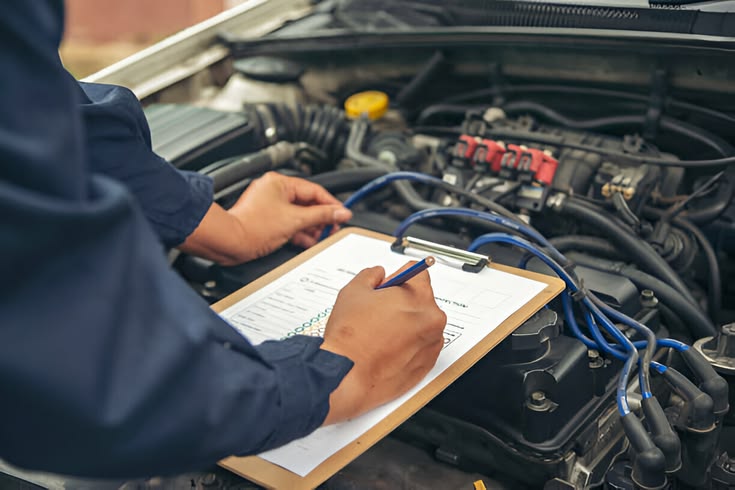
An MOT test is an essential part of vehicle ownership in the UK. It checks whether a vehicle meets the required road safety and environmental standards. For most cars, an MOT is required annually once the vehicle is three years old. Driving without a valid MOT can lead to penalties, so keeping track of your test date is important.
Although an MOT test covers several important vehicle components, many common problems can be identified before visiting a testing centre. Faulty lights, worn tyres, damaged windscreen wipers and registration plate issues are examples of problems that drivers can often spot themselves.
Preparing your vehicle in advance can help you avoid unnecessary failures, reduce unexpected repair costs and make the testing process easier. Here are some practical steps every UK driver should consider before their next MOT appointment.
1. Check All Exterior Lights
Faulty lighting is one of the issues that can cause an MOT failure. Your vehicle’s lighting system helps you see the road and makes your car visible to other road users.
Before your appointment, check that all exterior lights are working correctly, including:
- Headlights and dipped beams.
- Front and rear indicators.
- Brake lights.
- Rear lights and sidelights.
- Reversing lights.
- Rear fog lights.
- Number plate lights.
Ask someone to help you check the brake lights while you press the brake pedal. If any bulb is not working, replace it before taking your vehicle for testing.
Also, check that the light covers are not excessively damaged, missing or incorrectly positioned.
2. Inspect Your Tyres
Tyres play an important role in vehicle safety, braking performance and road handling. They are also a major part of the MOT inspection.
For most passenger cars, the legal minimum tyre tread depth is 1.6mm across the central three-quarters of the tread and around the entire circumference.
Before your MOT test, check the following:
- Tyre tread depth is at least 1.6mm.
- There are no cuts, bulges or serious damage.
- Tyres are correctly inflated.
- All tyres are suitable for the vehicle.
- Wheel nuts are present and secure.
Do not rely only on the appearance of the outer tyre surface. Uneven wear can indicate alignment, suspension or inflation problems that may need professional attention.
3. Examine the Windscreen and Wipers
Your windscreen must provide the driver with a clear view of the road. Significant damage within the driver’s line of sight can result in an MOT failure.
Inspect the windscreen for cracks, chips and other damage before your appointment. Pay particular attention to the area directly in front of the driver.
You should also check:
- Windscreen wipers operate correctly.
- Wiper blades are not excessively damaged or worn.
- The windscreen washer system works.
- The washer fluid reservoir contains sufficient fluid.
- Mirrors are present, secure and provide the required visibility.
Replacing worn wiper blades is generally inexpensive and can improve visibility during wet weather.
4. Test Your Brakes
Brakes are among the most important safety components checked during an MOT test. They must operate effectively and meet the required braking standards.
Although a proper brake inspection requires professional equipment, drivers can look for some common warning signs.
Pay attention to:
- Unusual squeaking or grinding noises.
- A brake pedal that feels unusually soft.
- Excessive vibration when braking.
- The vehicle pulling to one side.
- A handbrake that does not hold the vehicle properly.
- Brake warning lights appearing on the dashboard.
If you notice any of these problems, arrange a professional inspection before your MOT appointment. Do not ignore brake-related warning signs simply because the vehicle still appears to stop normally.
5. Check Your Registration Plates
Registration plates must meet UK legal requirements and remain clearly visible. Damaged, incorrectly displayed or unreadable number plates can cause MOT problems.
Before visiting a testing centre, make sure:
- Front and rear registration plates are securely attached.
- Characters are clean and readable.
- The plates have the correct spacing and font.
- The rear registration plate is illuminated.
- There are no unnecessary coverings or obstructions.
Cleaning your registration plates is a simple task that takes only a few minutes.
6. Look for Dashboard Warning Lights
Modern vehicles use electronic systems to monitor important components. Warning lights can indicate problems with the engine management system, airbags, anti-lock braking system or other safety-related equipment.
Before your MOT, check the dashboard when starting the vehicle. Pay attention to warning lights that remain illuminated after the initial system checks.
Some warning lights may indicate faults that could affect the MOT result. For example, certain ABS, airbag and engine management warning indicators are relevant to the inspection.
If a warning light stays on, have the issue diagnosed rather than simply resetting the warning.
7. Check Seat Belts, Doors and Horn
The MOT inspection also covers several interior and general vehicle safety components.
Check that all seat belts can extend and retract properly and that their buckles lock securely. Look for visible cuts, fraying or other damage to the belt material.
You should also make sure:
- All required doors open and close properly.
- Door catches and handles operate correctly.
- The horn produces a clear and continuous sound.
- Seats are securely fitted.
- The steering wheel is in good condition.
These checks are particularly important because they relate directly to driver and passenger safety.
8. Check Fluid Levels and Visible Leaks
Although an MOT is not a full vehicle service, certain fluid-related issues can affect the inspection.
Before your appointment, check the engine oil and screenwash levels. Make sure the vehicle has sufficient fuel for the emissions test and that there are no obvious signs of significant fluid leaks.
Look underneath the vehicle for unusual wet patches or dripping fluids. If you notice a leak, ask a qualified mechanic to investigate it.
Remember that an MOT does not assess every aspect of a vehicle’s mechanical condition. The engine, clutch and gearbox are not tested as part of the standard MOT inspection.
Choosing the Right MOT Test Centre
Once you have completed your basic vehicle checks, the next step is choosing a suitable MOT testing centre.
Drivers should consider factors such as location, availability, customer reviews, pricing and the services offered by the garage.
It is also worth checking that the testing station is authorised to carry out MOT inspections. The official GOV.UK service allows motorists to find approved MOT test centres and check relevant vehicle information.
For drivers who want to compare local options, MotStory provides information about MOT test centres and automotive services across the UK.
If you live in London, choosing a conveniently located testing station can make arranging an appointment easier. For example, motorists can explore the Halfords Autocentre MOT test centre in London to find relevant location information when considering their testing options.
Before booking, confirm the centre’s current availability, opening hours and MOT pricing directly with the provider.
What Happens If Your Car Fails Its MOT?
An MOT failure does not necessarily mean your vehicle has a major mechanical problem. Sometimes, relatively small defects can prevent a vehicle from passing.
If your car fails, the testing centre will provide a report identifying the defects. These are generally classified as minor, major or dangerous.
- Minor defects: These are issues that do not result in an MOT failure but should be repaired.
- Major defects: These result in an MOT failure and must be repaired before the vehicle can pass.
- Dangerous defects: These represent an immediate risk to road safety, and the vehicle should not be driven until the problem has been resolved.
After repairs, you may need a partial or full retest depending on the circumstances and applicable testing rules.
If your vehicle has a dangerous defect, do not assume that an existing MOT certificate makes it safe to drive.
Final Thoughts
Preparing your car for an MOT test does not have to be complicated. A few basic checks involving lights, tyres, brakes, windscreen wipers, registration plates and seat belts can help you identify common problems before your appointment.
However, a home inspection cannot replace a professional MOT test. If you notice unusual noises, warning lights, damaged components or possible mechanical faults, arrange an inspection with a qualified professional.
Most importantly, keep track of your MOT expiry date and arrange your next test in advance. Regular preparation helps you maintain a safer vehicle, avoid unnecessary delays and stay compliant with UK road regulations.