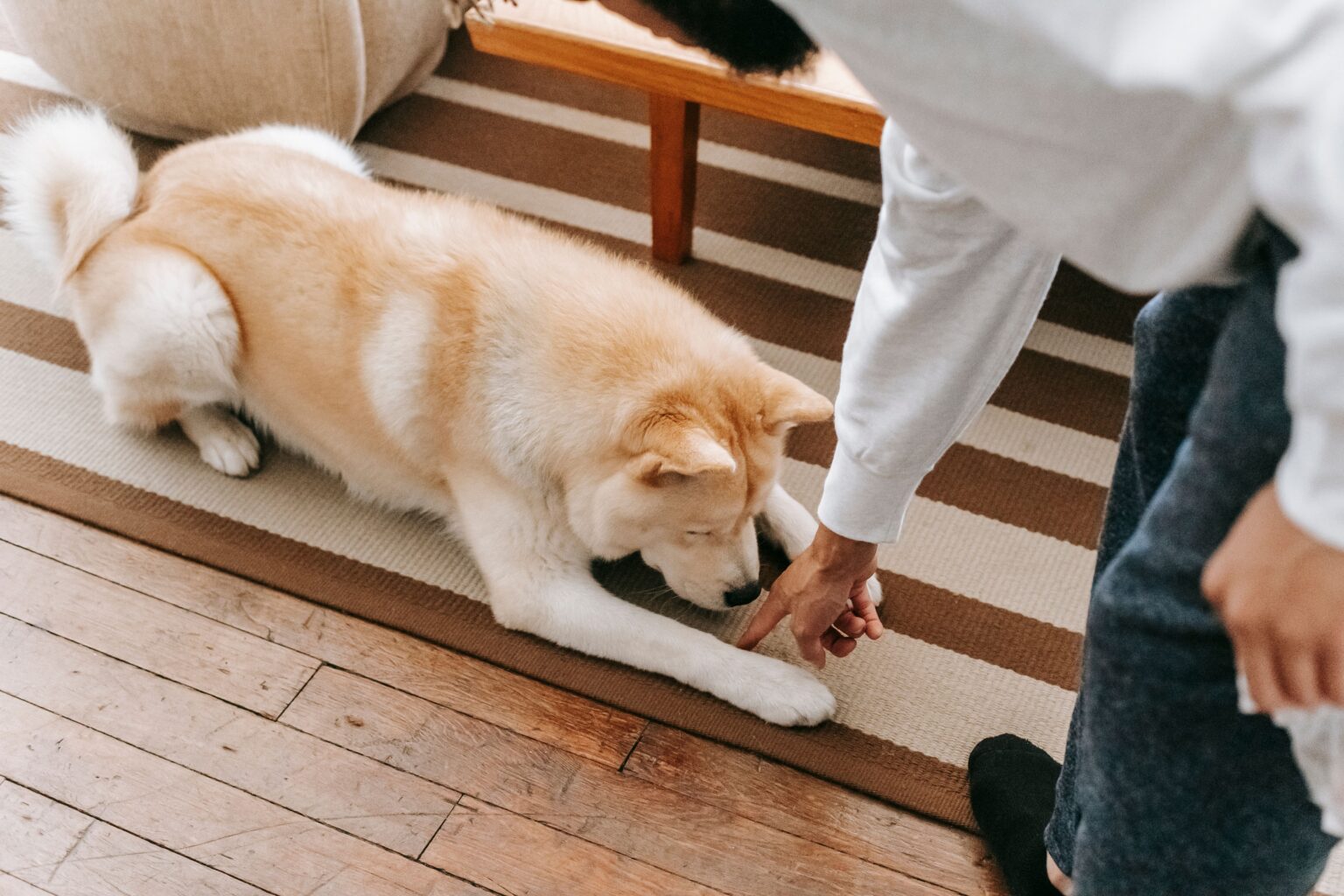
Pets bring enormous joy — and a fair amount of mess. Muddy paws, shed hair, the occasional accident and that distinctive “pet” smell are all part of sharing your home with an animal. Carpets bear the brunt of it, and for pet owners, keeping them clean and fresh can feel like a losing battle. The good news is that with the right approach, most pet-related stains and odours can be dealt with effectively — and understanding why they’re so stubborn is the first step to beating them. Running a professional odour removal service, we’re called out to pet odours more than almost anything else — and the encouraging news is that they’re nearly always solvable.
Why Pet Stains Are So Difficult
Pet accidents are uniquely challenging because they penetrate deep. Liquid soaks through the carpet fibres into the backing and often the underlay beneath, so what you see on the surface is only part of the problem. Even after you’ve cleaned the visible stain, residue trapped underneath continues to cause odour. Worse, that lingering smell can prompt a pet to return to the same spot, creating a frustrating cycle. Tackling pet accidents effectively means addressing what’s soaked in below the surface, not just what shows on top.
The Science Behind the Smell
Pet odours are so persistent because of their chemistry. Urine in particular contains compounds that crystallise as they dry, and these crystals reactivate with humidity — which is why a spot can smell fine when dry but return with force on a damp day. Ordinary cleaning may remove the surface staining while leaving these odour-causing compounds behind. This is why simply masking the smell with air fresheners never works for long: the source is still there, waiting for the next humid day to announce itself again.
What to Do Immediately After an Accident
Speed makes an enormous difference. As soon as you discover a fresh accident, blot up as much liquid as possible with paper towels or a clean cloth, pressing down firmly rather than rubbing — rubbing spreads the stain and pushes it deeper. Keep blotting with fresh towels until you’ve lifted as much moisture as you can. Avoid the instinct to scrub, and steer clear of very hot water on protein-based stains, which can set them. Acting within minutes is far more effective than any product you apply hours later.
Home Remedies: What Helps and What to Avoid
There are gentle home approaches that can help with minor, fresh accidents — but caution is essential. Always test any solution on a hidden area first, since some carpets are sensitive to moisture and cleaning agents. Crucially, avoid ammonia-based cleaners on urine: ammonia is a component of urine itself, and the smell can actually encourage a pet to re-mark the spot. Steer clear of harsh bleaches too, which can damage or discolour fibres. Home remedies can manage small, recent incidents, but they rarely resolve deep-set or repeated staining.
When It’s Time to Call a Professional
For older stains, repeated accidents in the same area, or that stubborn odour that just won’t lift, professional help is usually the answer. Professionals can treat the problem at depth, using powerful extraction to flush contamination out of the fibres and backing rather than just the surface, along with specialist treatments designed specifically to neutralise pet odours at their source instead of masking them. This is the key difference — breaking down the odour-causing compounds rather than covering them up — and it’s what finally breaks the re-marking cycle.
Preventing Problems in the First Place
Alongside cleaning, a few habits keep pet-related carpet issues under control. Vacuum frequently to stay on top of hair and dander before it works into the pile. Keep old towels handy near doors for muddy paws. Consider washable rugs or runners in your pet’s favourite spots. Deal with accidents the moment they happen. And build periodic deep cleaning into your routine so build-up never gets the chance to become permanent. Prevention won’t eliminate every mess, but it dramatically reduces how often the serious ones occur.
Dealing With Pet Hair and Everyday Mess
Beyond accidents, the day-to-day reality of pet ownership is hair — and lots of it. Pet hair works its way deep into carpet fibres where a quick pass with the vacuum won’t shift it, gradually building up and dulling the carpet’s appearance. A few techniques help enormously: vacuum slowly and in multiple directions to lift hair that’s become entangled in the pile, and consider a rubber-edged tool or a rubber squeegee to gather stubborn hair into clumps that are easy to collect. Grooming your pet regularly, ideally outdoors, is one of the most effective ways to reduce shedding indoors in the first place. For muddy paws, keeping a towel by the door and wiping feet before your pet comes inside prevents a great deal of dirt from ever reaching the carpet. These small routines won’t eliminate the mess entirely — no pet owner expects that — but they keep it manageable between the deeper cleans that reset your carpets properly.
If pet odours have taken hold in your carpets despite your best efforts, a professional odour removal service can finally clear what home cleaning leaves behind — neutralising the smell at its source rather than masking it. For pet owners, it’s often the difference between constantly fighting the problem and actually resolving it, leaving your home fresh for both you and your four-legged companions.