


Introduction
Climate chambers play a big role in modern testing labs. They help engineers check how products behave under different weather conditions. Companies use them before launching new items into the market. This step saves money and protects brand reputation.
A single test can reveal weak points in design. It can also confirm that a product is ready for real world use. This article explains the uses, types, design, and benefits of climate chambers in simple terms.
What Is a Climate Chamber
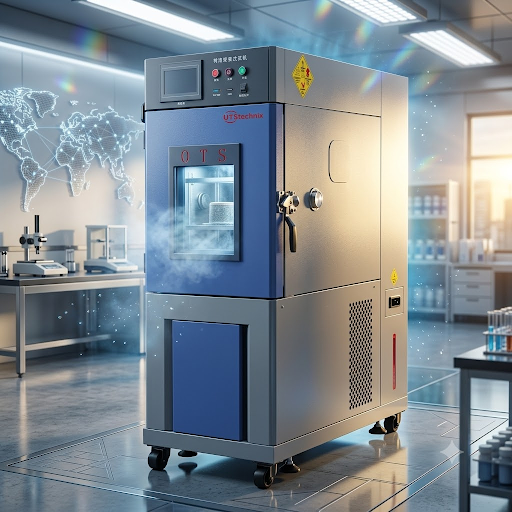
A climate chamber is a closed space built to copy natural weather conditions. It controls temperature, humidity, and sometimes pressure. Engineers place a product inside and watch how it reacts over time.
This process is often called a Climatic Test Chamber process, since the chamber recreates real climate stress in a controlled setting. It allows teams to test heat, cold, and moisture without waiting for actual seasons to change.
Many industries rely on this tool, including automotive, electronics, aerospace, and pharmaceuticals. The goal stays the same across all sectors. Teams want to know if a product can survive tough conditions before it reaches customers.
Types of Climate Chambers
There are several types of climate chambers, and each one serves a different purpose.
Temperature Chambers
These chambers focus only on heat and cold. They raise or lower the temperature inside a sealed box. Products go through cycles of extreme heat and freezing cold. This helps teams see if materials crack, warp, or fail.
Humidity Chambers
Humidity chambers add moisture control to the mix. They test how a product handles damp air or heavy rain. Electronics often go through this test since moisture can damage circuits.
Thermal Shock Chambers
Thermal shock chambers move products between hot and cold zones very fast. This sudden change puts extra stress on materials. It shows how well a product handles rapid shifts in temperature, such as moving from a warm car to a cold garage.
Altitude Chambers
Altitude chambers simulate low pressure found at high elevations. Aerospace companies use these often. They need to know how equipment performs when air pressure drops during flight.
Combined Environment Chambers
Some chambers combine temperature, humidity, and vibration in one unit. This gives a more complete picture of real world stress. A product might face heat, moisture, and shaking all at once during shipping or daily use.
Design Features of Climate Chambers
The design of a climate chamber depends on its purpose, but most share common parts.
Insulated Walls
Chambers need strong insulation to keep set conditions stable. Thick walls stop outside air from affecting test results. Good insulation also saves energy during long test cycles.
Control Panels
Modern chambers use digital control panels. Operators set exact temperature and humidity levels with a few clicks. Some systems allow remote monitoring, so teams can check progress from another room or building.
Air Circulation Systems
Even airflow matters a lot. Chambers use fans and vents to spread air evenly. This prevents hot or cold spots that could skew results.
Safety Features
Since chambers deal with extreme conditions, safety comes first. Alarms warn operators if temperature or humidity moves outside safe limits. Emergency shutoffs protect both the equipment and the person running the test.
Size and Capacity
Chambers come in many sizes. Small units test single components, while larger walk-in chambers can hold full vehicles or machines. The size depends on what needs testing and how much space a company has.
Applications and Benefits of Climate Chambers
Climate chambers offer real value across many industries. A trusted provider such as OTS Technik designs chambers that match specific testing needs, from small lab units to large industrial systems. Their equipment helps manufacturers run accurate tests without guesswork.
Product Reliability
Testing in a climate chamber shows how a product performs before it reaches the market. This lowers the risk of failure once customers start using it. Companies avoid costly recalls and build trust with their audience.
Faster Development
Instead of waiting months for seasonal weather, teams can run tests any time of year. This speeds up product development and shortens the time to launch.
Cost Savings
Fixing a design flaw early costs far less than fixing it after mass production. Climate chambers catch these flaws early, saving both time and money.
Regulatory Compliance
Many industries must meet strict safety standards. Climate chambers help companies prove their products meet these rules through documented, repeatable tests.
Better Quality Control
Regular use of climate chambers keeps quality consistent across production batches. Manufacturers can spot small changes in material performance before they become big problems.
Wide Industry Use
Automotive companies test car parts for heat resistance. Electronics firms check circuit boards for moisture damage. Pharmaceutical companies store drugs under set conditions to study shelf life. Aerospace teams test equipment for high altitude flights. Each industry benefits from the same core idea, testing before trusting.
Conclusion
Climate chambers give companies a clear way to test products against real world conditions. They come in different types, each built for a specific job, from simple temperature control to full combined environment testing. Good design, including strong insulation, precise controls, and solid safety features, makes these chambers reliable tools in any lab. The benefits reach far beyond the testing room.
Companies save money, meet safety standards, and build products people can trust. As industries keep growing more complex, climate chambers will remain a key part of quality testing and product development.