



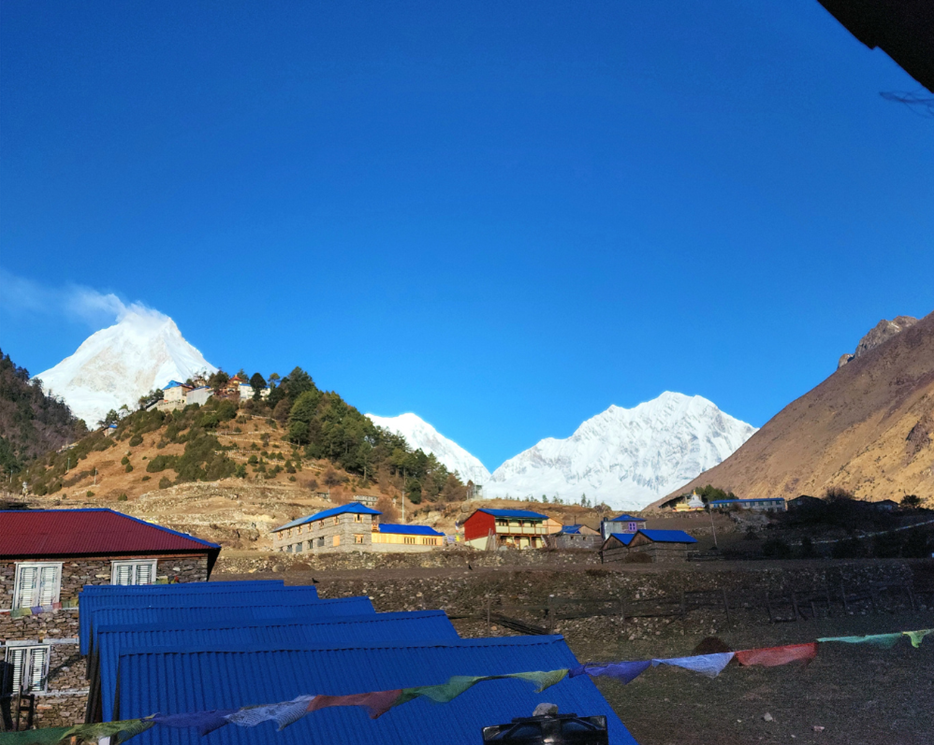
When people imagine trekking around Mount Manaslu, they often picture dramatic mountain landscapes, suspension bridges, and the challenge of crossing Larke Pass. While those moments certainly define the adventure, much of your experience happens before and after you are on the trail.
Every morning begins with a warm breakfast in a small mountain lodge. Every evening ends with a hot meal shared in a cozy dining room after hours of walking through remote Himalayan villages. These simple routines become an important part of the journey.
If you’re planning the Manaslu Circuit Trek for the first time, understanding what food and accommodation are actually like will help you prepare with realistic expectations and enjoy the experience even more.
Accommodation on the Manaslu Circuit Is Simple but Welcoming
The Manaslu Circuit Trek is one of Nepal’s most remote trekking routes. Unlike the Everest region, where tourism has developed over many decades, Manaslu remains quieter and less commercial.
Accommodation along the trail consists mainly of family-run tea houses. These are not hotels or luxury lodges. Instead, they are modest guesthouses built to provide trekkers with a comfortable place to rest in villages where modern facilities are naturally limited.
Most rooms include:
- Twin beds with mattresses, pillows, and blankets
- A small table or shelf for personal belongings
- Basic lighting, usually powered by solar energy or local hydroelectric systems
- Windows with mountain or village views
The rooms are intentionally simple because the focus is on providing warmth, shelter, and a good night’s sleep rather than luxury.
As you climb to higher elevations, accommodation generally becomes more basic. Villages closer to Larke Pass have fewer tea houses, and facilities are naturally more limited due to the challenging environment.
Shared Facilities Are Part of the Experience
Most teahouses on the Manaslu Circuit and Everest Base Camp trek have shared toilets and bathrooms. Attached bathrooms are available in only a few lower villages.
Hot showers are offered at many tea houses, but they usually require an extra payment. Depending on the location, the water may be heated using solar energy or gas, so availability can vary, especially during cloudy weather or busy trekking seasons.
Electricity is available in most villages, although charging phones, cameras, or power banks often comes with an additional fee.
These small inconveniences are simply part of trekking in one of Nepal’s most remote mountain regions.
Meals Are Fresh, Filling, and Designed for Trekker
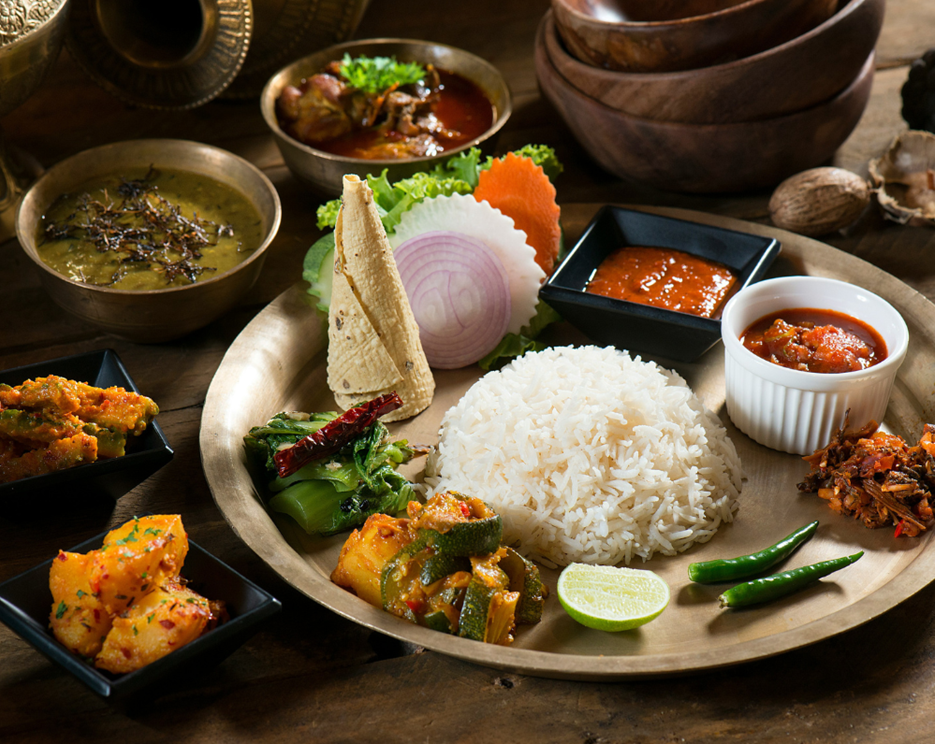
Food plays an important role in the trekking routes in Nepal. After spending six to eight hours walking each day, your body needs nutritious meals to recover and prepare for the next stage of the trek.
Although ingredients become more limited at higher elevations, tea house owners work hard to prepare freshly cooked meals using locally available supplies.
One of the most popular dishes is Dal Bhat, Nepal’s traditional meal of rice, lentil soup, seasonal vegetables, and curry. Many tea houses offer free refills, making them an excellent choice for hungry trekkers.
Other commonly available meals include:
- Fried rice
- Vegetable noodles
- Garlic soup
- Tibetan bread
- Pancakes
- Momos
- Omelets
- Pasta
- Macaroni
- Fried potatoes
- Porridge
The menu may not be extensive, but it offers enough variety to keep most trekkers satisfied throughout the journey.
Why Food Prices Increase as You Climb Higher
One question that guides here almost every season is, “Why is a simple meal so expensive on trekking trails like the Manaslu Circuit Trek & Everest Base Camp Trek?”
The answer lies in logistics.
There are no highways connecting the higher villages on the Manaslu Circuit. Most food supplies, cooking gas, bottled drinks, and other essentials are carried by porters, mules, or yaks over long mountain trails.
As transportation becomes more difficult with increasing altitude, the cost of bringing supplies also rises. This is why the same plate of fried rice or cup of tea costs more in Samdo than it does in Kathmandu.
Rather than paying for luxury, you’re helping support the local communities that make trekking in this remote region possible.
Don’t expect hotel comfort; expect genuine hospitality.
One of the biggest surprises for first-time trekkers is realizing that the accommodation is much simpler than they imagined.
Even if you book a premium trekking package, the tea houses themselves remain largely the same because the infrastructure in remote mountain villages is limited.
What sets the Manaslu Circuit apart is not luxury but hospitality.
Many tea house owners welcome guests with genuine warmth, remember returning trekkers by name, and prepare meals with care after long days on the trail. Evenings are often spent around a wood-burning stove, where trekkers, guides, and local families share stories about mountain life.
These moments often become the memories people treasure long after the trek is over.
Tips for a More Comfortable Stay
A little preparation can make your tea house experience much more enjoyable.
- Bring a sleeping bag for extra warmth, especially in spring and autumn.
- Carry earplugs if you’re a light sleeper, as walls are often thin.
- Pack a power bank to reduce charging costs.
- Keep cash for hot showers, Wi-Fi, and device charging.
- Bring reusable water bottles and water purification tablets or a filter to reduce plastic waste.
- Dress in layers, as bedrooms are usually unheated.
These simple items can make a noticeable difference during your trek.
Final Thoughts
Food and accommodation on the Manaslu Circuit may be simple, but they reflect the realities of life in one of Nepal’s most remote mountain regions. You won’t find luxury resorts or extensive room service. Instead, you’ll discover family-run tea houses where a warm meal, a comfortable bed, and genuine hospitality are offered after every challenging day on the trail.
For trekkers who arrive expecting hotel-style comfort, the experience may feel modest. But for those who embrace the simplicity of mountain life, sharing a plate of dal bhat with fellow trekkers and waking up to the sound of prayer flags fluttering in the Himalayan breeze become part of what makes the Manaslu Circuit so unforgettable.
Modern amenities don’t measure the comfort of this trek; the warmth of the people measures it, the satisfaction of a hearty meal after a long day’s walk, and the privilege of spending each night surrounded by some of the world’s most spectacular mountain landscapes.