| Buying a commercial coffee machine gives you full ownership, lower long-term spend, and no monthly obligations. Leasing keeps upfront costs low, includes maintenance, and suits businesses that want flexibility or prefer to preserve cash flow. The right choice depends on your volume, budget, and how long you plan to use the machine. |
Choosing between buying and leasing a commercial coffee machine is one of those decisions that looks simple on the surface but has a lot of moving parts underneath. For businesses across the UK, working with a trusted supplier like Coffee Seller can help you navigate the options before you commit to something that does not fit your operation.
Whether you are opening a new coffee shop, upgrading a hotel bar setup, or trying to keep an office kitchen running smoothly, the machine you choose and how you pay for it will shape your day-to-day operations for years. This guide breaks down both options honestly, so you can make a decision that actually makes sense for your situation.
What Does Buying a Commercial Coffee Machine Actually Mean?
When you buy a machine outright, you own it. That sounds obvious, but it comes with a set of responsibilities most people do not fully think through before signing.
Ownership means: you carry the cost if something goes wrong, you decide when to upgrade, and you get full flexibility over how and where it is used. There are no monthly payments and no contract to worry about.
For businesses with stable volumes and a long-term view, buying often makes financial sense. You pay more upfront, but over three to five years, the total spend is usually lower than leasing the same machine.
Pros of Buying
- No ongoing monthly payments once purchase is complete
- Full ownership means you can resell the machine if needed
- Greater freedom to choose your own service and maintenance provider
- No restrictions on usage or configuration
- Lower total cost of ownership over time
Cons of Buying
- Large upfront outlay, which can affect cash flow
- Maintenance and repair costs fall entirely on you
- Harder to upgrade to newer technology mid-cycle
- You carry the depreciation risk if the machine becomes obsolete
What Does Leasing a Commercial Coffee Machine Mean?
Leasing is essentially a long-term rental agreement, typically running anywhere from 12 months to five years. You pay a fixed monthly amount, use the machine, and at the end of the agreement you either return it, upgrade, or sometimes buy it outright.
Many lease agreements include maintenance and servicing as part of the package. For smaller businesses without a dedicated maintenance budget, that can make a real difference when something inevitably goes wrong at the worst possible moment.
If you are exploring Coffee Seller commercial coffee solutions, you will find both outright purchase and rental options, which allows you to weigh up the numbers side by side before committing.
Pros of Leasing
- Lower upfront cost frees up working capital
- Maintenance is often bundled into the agreement
- Easier to upgrade to newer models at the end of the term
- Predictable monthly outgoings help with budgeting
- Technology stays current without a full repurchase
Cons of Leasing
- You pay more in total over the life of the agreement
- Bound by contract terms which can be restrictive
- Early exit penalties can be significant
- You do not build any asset value from your monthly payments
Buying vs Leasing: Side-by-Side Comparison
| Factor | Buying | Leasing |
| Upfront Cost | High | Low |
| Monthly Payments | None (after purchase) | Yes, fixed term |
| Maintenance | Your responsibility | Often included |
| Ownership | Yes, full ownership | No (unless buy-out) |
| Flexibility | High | Limited by contract |
| Total Cost Over 5 Years | Lower | Higher |
| Upgrade Path | Sell and repurchase | Swap at end of term |
| Best For | Established businesses | New or growing operations |
Which Businesses Should Buy?
Buying makes the most sense when your coffee volume is predictable and you plan to stay in the same location for several years. A well-run independent cafe, a hotel with a busy breakfast service, or a restaurant that does consistent covers every week is usually better off buying.
You already know what you need, you are not going to outgrow the machine quickly, and you can absorb the upfront cost without it hurting operations. Spread over five or more years, ownership almost always works out cheaper.
It is also worth looking at high-quality machines like Coffee Seller Jura machines if you are a business buyer who values long-term reliability and premium output. Swiss-engineered machines built for consistent performance can deliver strong returns when owned rather than leased, especially in high-volume environments.
Which Businesses Should Lease?
Leasing suits businesses that are starting out, scaling quickly, or simply need to protect cash flow. A new cafe in its first year, an office expanding its catering setup, or a pop-up food operation with uncertain longevity are all solid candidates for leasing.
It also makes sense if you are unsure which type of machine you actually need. Leasing lets you try a commercial setup without the commitment of full ownership. If your requirements change, you are not stuck with a machine that no longer fits.
Businesses that rely on cutting-edge features, or where the marketing value of the latest model matters, also tend to lean toward leasing. You get continuous access to newer technology without the hassle of reselling older equipment.
Understanding the True Cost of Each Option
One of the biggest mistakes businesses make is comparing the upfront purchase figure against the monthly lease payment without looking at the full picture.
When you buy, you need to factor in maintenance contracts, periodic servicing, parts, and the cost of any downtime if the machine is out of action. When you lease, you need to look at the total amount paid across the full term, plus any penalties for exiting early or exceeding usage limits.
Neither option is inherently better. The right answer always comes down to your specific cash flow position, your volume, and how long you intend to use that particular machine.
Hidden Costs to Watch For
- Installation and plumbing work (often not included in either option)
- Water filtration systems, which most commercial machines require
- Staff training if switching machine types
- Insurance for owned equipment
- Early termination fees on leased machines
- Residual buyout value if you want to keep a leased machine at the end of term
Bean to Cup vs Traditional Espresso: Does Machine Type Affect Your Decision?
The type of machine you are looking at can also influence whether buying or leasing makes more sense.
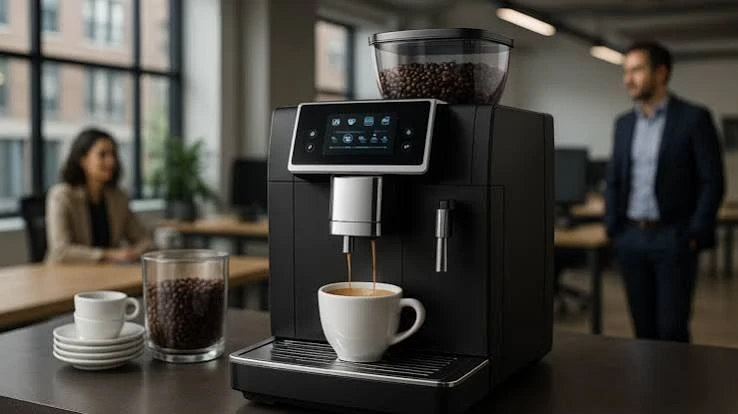
Fully automatic Coffee Seller bean to cup machines are increasingly popular in office environments and smaller hospitality settings because they reduce the need for trained baristas. These machines handle grinding, dosing, and extraction automatically, which means less room for human error.
Bean to cup machines tend to have higher upfront costs than traditional espresso setups, which makes leasing a more attractive option for businesses that cannot justify the initial outlay. On the other hand, if you are buying for the long term, a quality bean to cup machine can pay for itself quickly through reduced staffing costs.
Traditional espresso machines, by contrast, often have a longer service life and a stronger resale market, which can make buying more financially sensible if you know your barista team is solid.
What to Ask Before Signing Anything
Whether you are buying or leasing, there are a few questions worth asking before you commit.
If You Are Buying
- What does the manufacturer warranty cover and for how long?
- Is there a service contract available separately?
- What is the typical lifespan of this model under commercial use?
- Are spare parts readily available in the UK?
If You Are Leasing
- What is the total amount payable across the full term?
- What happens if the machine breaks down and is it covered?
- Can you exit the agreement early and what does it cost?
- Is there a buyout option at the end of the term?
- What happens if your business changes location?
A Word on Finance Options for Buying
Buying outright does not always mean paying the full amount in one go. Many suppliers offer finance arrangements that let you spread the cost over 12 to 60 months, which blurs the line a little between buying and leasing.
The key difference is that with a finance purchase, you own the machine at the end. With a lease, you typically hand it back unless there is a buyout clause. If you are comparing monthly payment amounts, always check whether ownership transfers at the end.
Looking at Coffee Seller espresso machine price options alongside finance and lease comparisons gives you a realistic sense of what the monthly commitment looks like across different routes.
Making the Right Call for Your Business
There is no universal answer here. Buy if you have the capital, the stability, and a clear sense of what your operation needs. Lease if you are still finding your feet, protecting cash flow, or want the reassurance of a maintenance safety net.
What matters most is doing the maths on your actual situation rather than going on gut instinct. Run the numbers over a full five-year period, factor in maintenance, and think about where you want to be as a business by the time the machine needs replacing.
For businesses in the UK looking for honest guidance and a strong range of commercial machines, Coffee Seller is a reliable starting point. They offer both purchase and rental routes across a well-curated range of machines, so you can make a proper comparison before committing to either path.
Frequently Asked Questions
1. Is it better to buy or lease a commercial coffee machine in the UK?
It depends on your cash flow and how long you plan to use the machine. Buying is cheaper over time but requires more upfront. Leasing keeps monthly costs predictable and often includes maintenance, but costs more overall.
2. What is the typical lease term for a commercial coffee machine?
Most lease agreements in the UK run between 12 and 60 months. Three years is a common middle ground for hospitality businesses. Always check exit clauses before committing to a longer term.
3. Does leasing a coffee machine include maintenance?
Many lease agreements bundle in servicing and maintenance, but not all. Read the small print carefully. Some agreements cover parts and labour, while others only cover basic call-outs.
4. Can I buy a commercial coffee machine on finance in the UK?
Yes. Many suppliers and third-party finance providers offer hire purchase or lease-to-own agreements. You pay in monthly installments and own the machine outright at the end, unlike a standard lease where the machine is returned.
5. How long does a commercial coffee machine last?
A well-maintained commercial espresso or bean to cup machine typically lasts between seven and fifteen years depending on usage and build quality. High-volume environments will see more wear, so factor this into your buying or leasing decision.
6. What are the tax implications of buying vs leasing a coffee machine for a UK business?
Leasing payments are usually treated as a business operating expense and can be offset against taxable income. Buying a machine may qualify for capital allowances under HMRC rules. Always check with an accountant for your specific situation.
7. Can I upgrade my machine mid-lease?
Some agreements allow upgrades partway through a term, often with an adjustment to monthly payments. Others lock you in until the end of the contract. Ask this question explicitly before signing any lease agreement.
8. What should I look for in a commercial coffee machine for a small cafe?
Look at output capacity (cups per hour), ease of maintenance, durability, and the availability of local servicing. For smaller operations, a quality bean to cup machine can reduce staffing requirements while still delivering consistent results.