A New Chapter in Singapore’s Work Culture
Singapore has steadily built its reputation as one of the world’s most dynamic business hubs, attracting entrepreneurs, global companies, and creative professionals from different industries. As the city continues to evolve, so does the way people approach work. Traditional office environments, once seen as the standard, are gradually being complemented and sometimes replaced by more flexible and adaptive solutions. Among these, the rise of the coworking space in Singapore stands out as a defining shift in modern work culture.
This transformation is closely tied to the changing expectations of today’s workforce. Professionals are no longer satisfied with rigid schedules and fixed office spaces. Instead, they seek environments that allow them to work efficiently while maintaining a sense of freedom and balance. Co-working spaces have stepped in to meet this demand, offering a blend of structure and flexibility that aligns with the pace of modern life.
The Rapid Expansion of Shared Workspaces
The growth of co-working spaces in Singapore reflects broader global trends, but the city has embraced this concept with particular enthusiasm. Its strong economy, advanced infrastructure, and supportive policies have created the perfect conditions for shared workspaces to thrive. Over time, these spaces have become more than just temporary offices. They are now an essential part of the business ecosystem, serving freelancers, startups, and even large corporations.
Companies such as JustCo have played a key role in shaping this landscape. By offering flexible membership options and well-designed work environments, they have attracted a wide range of users. This growth is not only about providing desks and meeting rooms but also about creating spaces where ideas can develop and businesses can expand without the constraints of traditional office setups.
A Diverse Community That Fuels Innovation
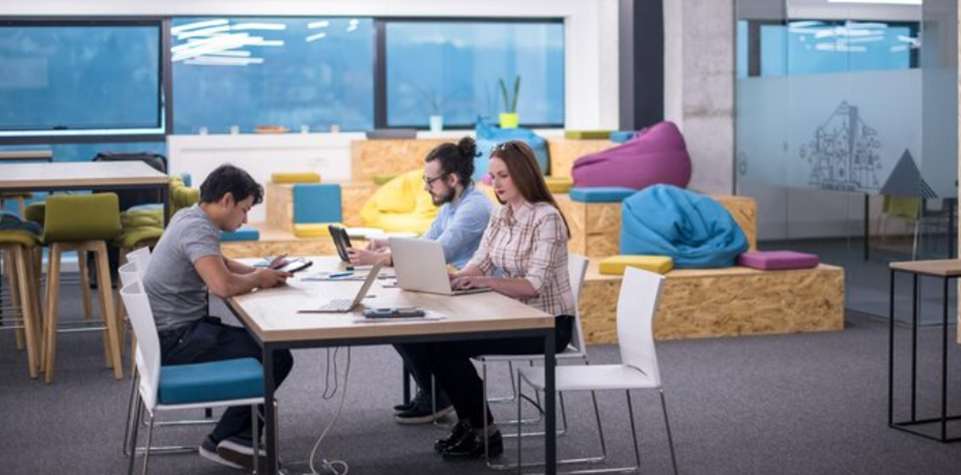
One of the strongest advantages of co-working spaces lies in the diversity they bring together. Unlike conventional offices where employees often share similar roles or backgrounds, co-working environments host individuals from different industries and cultures. This mix creates a unique atmosphere where collaboration happens naturally.
A software developer might find themselves working next to a marketing strategist, while a designer could share ideas with a startup founder. These everyday interactions often lead to new perspectives and creative solutions. The exchange of ideas becomes part of the daily routine, encouraging innovation in ways that are difficult to achieve in more isolated work settings.
The sense of community that develops within these spaces also plays an important role in keeping members motivated. Many co-working spaces organise events, workshops, and informal gatherings that allow people to connect beyond their work tasks. This creates a supportive environment where individuals feel part of something larger, even if they are working independently.
Designed for Productivity and Comfort
Co-working spaces in Singapore are known for their attention to detail when it comes to design and functionality. These environments are carefully planned to support productivity while ensuring comfort. High-speed internet, well-lit work areas, and ergonomic furniture are standard features that help professionals stay focused throughout the day.
Beyond these essentials, many spaces go further by offering specialised facilities. Quiet rooms provide a place for deep concentration, while collaborative zones encourage teamwork and discussion. Some co-working spaces include creative studios, podcast rooms, and wellness areas, reflecting the varied needs of modern professionals.
This thoughtful approach to design helps create a balanced work environment. By combining functionality with comfort, co-working spaces allow individuals to maintain productivity without feeling overwhelmed or restricted.
Flexibility That Matches Business Needs
One of the main reasons businesses and individuals choose co-working spaces is the level of flexibility they offer. In a city like Singapore, where office rental costs can be high, committing to a long-term lease is not always practical. Co-working spaces provide an alternative that allows users to scale their workspace according to their needs.
For startups, this flexibility can be crucial. As a business grows, it can easily expand its workspace without the need for relocation. Similarly, freelancers and remote workers can choose plans that suit their schedules, whether they need a desk for a day or a dedicated space for ongoing projects.
This adaptable approach not only reduces financial pressure but also allows businesses to respond quickly to changes in the market. In a fast-paced environment, the ability to adjust without delay can make a significant difference.
Technology at the Core of Modern Workspaces
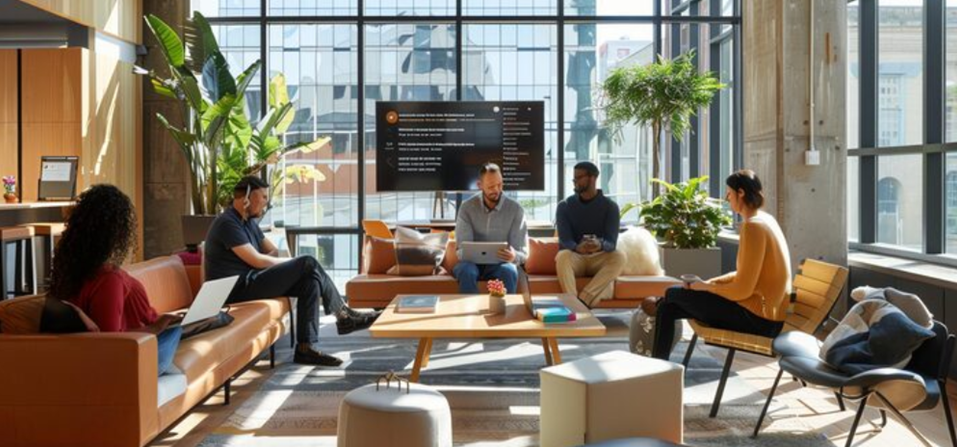
Technology is a defining feature of co-working spaces in Singapore. These environments are designed to support the digital nature of modern work, integrating tools and systems that enhance efficiency and connectivity. Smart access systems, online booking platforms, and seamless communication tools are often part of the experience.
The presence of advanced technology also supports remote collaboration. Teams can connect with colleagues and clients around the world without disruption, making co-working spaces suitable for both local and global operations. This level of connectivity reflects Singapore’s broader vision of becoming a smart and digitally advanced city.
In addition to infrastructure, many co-working spaces offer opportunities for learning and development. Workshops, training sessions, and networking events focused on technology help members stay updated and competitive in their respective fields.
Building Connections and Opportunities
Networking is one of the most valuable aspects of working in a co-working space. The environment naturally encourages interaction, making it easier to meet new people and build professional relationships. These connections often lead to collaborations, partnerships, and even new business opportunities.
Startups, in particular, benefit from this setting. Being surrounded by other entrepreneurs and professionals creates a support system that can provide guidance and inspiration. Informal conversations can turn into meaningful collaborations, while organised events offer structured ways to connect with potential clients and investors.
Even for established companies, co-working spaces provide a chance to engage with fresh ideas and perspectives. This exchange of knowledge contributes to innovation and keeps businesses adaptable in a competitive market.
Sustainability in Shared Work Environments
As environmental awareness continues to grow, co-working spaces in Singapore are making efforts to adopt more sustainable practices. Many providers focus on reducing energy consumption, promoting recycling, and designing spaces that minimise environmental impact.
These initiatives align with the values of many modern professionals who prefer to work in environments that support responsible practices. By integrating sustainability into their operations, co-working spaces not only contribute to environmental goals but also create a positive and forward-thinking work culture.
The Evolution of Work and Lifestyle Balance
The rise of co-working spaces reflects a broader shift in how people view work and lifestyle. Flexibility has become a priority, with many professionals seeking a balance between productivity and personal well-being. Co-working spaces support this by offering environments that are both efficient and adaptable.
Remote work has become more common, and many individuals no longer need to be tied to a single office location. Co-working spaces provide a middle ground, combining the independence of working remotely with the benefits of a structured environment. This balance allows people to stay productive while maintaining a sense of connection and routine.
Singapore as a Blueprint for Future Workspaces
Singapore’s co-working scene has become a model for other cities looking to adapt to modern work trends. By combining strong infrastructure, innovative design, and a focus on community, the city has created an ecosystem that supports a wide range of professionals.
The success of co-working spaces in Singapore highlights the importance of adaptability and forward-thinking in shaping the future of work. These spaces are not just temporary solutions but long-term components of a changing work landscape. They demonstrate how workplaces can evolve to meet the needs of a diverse and dynamic workforce.
In a world where flexibility and connectivity are increasingly important, the concept of a coworking space in Singapore represents more than just a place to work. It reflects a new way of thinking about productivity, collaboration, and growth. As more people embrace this approach, co-working spaces will continue to play a central role in defining how work is experienced in the years ahead.