



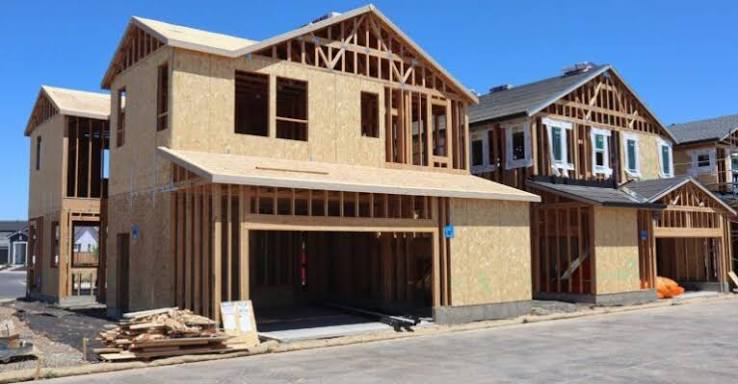
Purchasing a newly built home requires financial planning that extends beyond the advertised purchase price. For buyers considering new home construction in Nokomis, FL, preparing a realistic 2027 budget means understanding mortgage payments, property taxes, insurance, builder upgrades, and ongoing ownership costs. These financial considerations can influence which properties are affordable and how comfortably homeowners can manage their expenses after moving.
The end of the year provides an opportunity to review household finances, establish purchasing priorities, and prepare for a future home purchase. Buyers who understand the complete cost of ownership are better positioned to compare properties and make informed decisions.
How Much Home Can You Realistically Afford?
Establishing a purchasing budget begins with reviewing household income, existing debt, savings, and recurring expenses.
Although mortgage lenders may approve borrowers for a particular loan amount, the maximum approval does not necessarily represent a comfortable monthly payment.
Buyers should consider their financial obligations, retirement contributions, emergency savings, and anticipated lifestyle expenses before selecting a price range.
A realistic budget should leave sufficient room for unexpected costs without placing unnecessary pressure on household finances.
For those researching new homes for sale in Nokomis, FL, establishing an affordable price range before touring properties can make the selection process more productive.
What Mortgage Expenses Should Buyers Include?
Monthly mortgage payments often include more than principal and interest.
Depending on the financing arrangement, payments may also incorporate property taxes, homeowners insurance, and mortgage insurance.
Interest rates, loan terms, down payments, and lender fees can significantly affect monthly costs.
Buyers should compare loan estimates from multiple lenders when appropriate and review the annual percentage rate alongside the advertised interest rate.
Understand Mortgage Rate Locks
Buyers purchasing homes that remain under construction should ask lenders about mortgage rate-lock periods.
A rate lock generally protects an agreed interest rate for a specified period, subject to applicable conditions.
If construction takes longer than anticipated, extending the rate lock may involve additional fees.
Understanding these provisions helps buyers prepare for possible financing changes before closing.
How Do Property Taxes Affect Your Budget?
Property taxes represent an important recurring expense for homeowners in Southwest Florida.
For newly constructed homes, previous tax records may not reflect the assessed value of a completed residence.
A property previously assessed as vacant land or partially completed construction may receive a substantially different assessment after the home is finished.
Buyers should request estimates based on the anticipated completed property value rather than relying exclusively on historical tax bills.
Eligible permanent residents may qualify for Florida’s homestead exemption, which can reduce taxable value under applicable requirements.
The Sarasota County Property Appraiser provides information about assessments, exemptions, and filing procedures.
Why Is Homeowners Insurance Important in Florida?
Homeowners insurance should be considered early in the purchasing process, not shortly before closing.
Premiums can vary according to property location, construction characteristics, coverage limits, deductibles, and insurer requirements.
Buyers should obtain insurance estimates for the specific property they are considering.
Flood insurance may also be necessary or advisable depending on flood risk, lender requirements, and personal preferences.
Standard homeowners policies generally exclude flood damage.
Comparing coverage and deductibles helps buyers understand both annual premiums and potential out-of-pocket expenses following a covered event.
What Additional Costs Come With New Home Construction?
The advertised base price of a newly built home may not include every feature displayed in a model residence.
Buyers may encounter additional charges for upgraded flooring, cabinetry, countertops, lighting, appliances, or structural modifications.
Certain homesites may also carry lot premiums based on location or other characteristics.
Before signing a purchase agreement, buyers should request written documentation identifying included features and optional upgrades.
Setting a separate allowance for design selections can help prevent spending beyond the intended budget.
Completed inventory homes may offer a clearer picture of included finishes because construction selections have already been made.
How Should Buyers Budget for Closing Costs?
Closing costs are separate from the down payment and can include lender fees, appraisal charges, title-related expenses, prepaid insurance, and other transaction costs.
The amount varies according to the loan, property, and purchase agreement.
Buyers should request a loan estimate and review the anticipated cash required at closing.
Some builders may offer closing cost assistance or financing incentives, but these promotions can include restrictions.
Comparing the complete financing arrangement is more useful than focusing exclusively on an advertised incentive.
Why Do Community Fees Matter?
Purchasing within a new home community may involve homeowners association fees that support shared maintenance, recreational amenities, and neighborhood services.
The services covered depend on the community’s governing documents and operating arrangements.
Buyers should ask whether fees are collected monthly, quarterly, or annually and whether additional assessments may occur.
Community amenities such as swimming pools, fitness centers, walking trails, and gathering spaces can contribute to homeowner enjoyment, but their associated expenses belong in the ownership budget.
Understanding these obligations helps buyers compare properties accurately.
What Expenses Should Buyers Expect After Moving?
Moving into a newly built residence often involves purchases beyond the home itself.
Furniture, window coverings, landscaping improvements, storage systems, and household equipment may require additional spending.
Buyers should also account for moving services, utility deposits, internet installation, and other relocation expenses.
Although new home construction may reduce certain immediate repair concerns, regular maintenance remains necessary.
Maintaining an emergency fund can help homeowners manage unexpected expenses without disrupting essential financial obligations.
Frequently Asked Questions
What costs should buyers include when budgeting for a new construction home?
A realistic budget includes the purchase price, down payment, mortgage payments, closing costs, property taxes, insurance, community fees, upgrades, and moving expenses.
Are property taxes higher after a new home is completed?
They may increase because the completed property’s assessed value can differ substantially from its earlier assessment during construction.
Do new construction homes require maintenance?
Yes. Newly built homes still require routine care, equipment servicing, landscaping maintenance, and periodic inspections.
Can buyers receive financial incentives from homebuilders?
Some builders offer closing cost assistance, financing promotions, or selected upgrades. Availability and eligibility vary by builder and property.
Plan Your New Home Purchase in Nokomis, FL
Preparing a realistic budget for 2027 means understanding both initial purchase costs and ongoing financial responsibilities. Buyers who compare financing options, construction features, community fees, and ownership costs can make decisions that support their household priorities.
For those exploring new home construction in Nokomis, FL, Vistera of Venice offers opportunities to discover new homes for sale in a thoughtfully planned community near Florida’s Gulf Coast. Visit the website to explore available residences and begin planning for homeownership in 2027.