



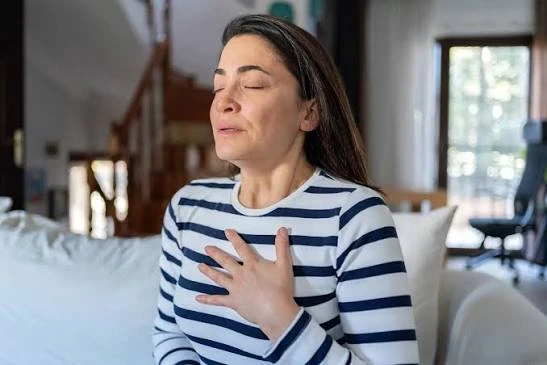
Panic attacks and anxiety can affect how people feel, think, and respond to everyday situations. A sudden wave of fear may cause a racing heartbeat, sweating, or difficulty breathing. Some people experience these symptoms without understanding what triggered them. Although occasional anxiety is a normal response to stress, repeated episodes can become difficult to manage.
For individuals exploring treatment for panic attacks and anxiety, Altitude Behavioral Care and Integrative Health can be contacted to ask about available psychiatric services and support. These concerns can affect work, relationships, sleep, and personal responsibilities. Understanding the difference between occasional stress and ongoing anxiety can help people recognize when they need professional support.
Professional guidance can help individuals understand their symptoms and explore suitable care. A psychiatric evaluation may identify possible causes. It can also help determine appropriate treatment options. Learning about panic attacks, recurring anxiety, and available support can make the decision to seek help easier.
Recognizing Panic Attack Symptoms
A panic attack is a sudden episode of intense fear or discomfort. It can happen during a stressful situation or without an obvious trigger. Symptoms often develop quickly and may feel frightening. Some people believe they are experiencing a serious medical emergency because the physical sensations can be intense.
Common panic attack symptoms include:
- Racing Heartbeat
- Shortness of Breath
- Excessive Sweating
- Chest Discomfort
- Dizziness
- Shaking or Trembling
Some individuals also experience a feeling of losing control. Others may feel disconnected from their surroundings. These symptoms can vary in intensity and duration. A person may feel exhausted or worried after an episode has ended.
Panic attack symptoms can sometimes resemble other medical conditions. New, severe, or unexplained chest pain should not automatically be assumed to be anxiety. The same applies to serious breathing difficulties. Medical assessment may be necessary to rule out other causes. A qualified professional can help determine the appropriate next steps.
Understanding Recurring Anxiety
Anxiety involves feelings of worry, nervousness, or fear. These emotions are common when people face uncertainty or difficult situations. However, anxiety may become a concern when it happens frequently or feels difficult to control. Some individuals worry about several things throughout the day.
Recurring anxiety can develop around different situations. A person may feel nervous about work, social interactions, health concerns, or family responsibilities. Even when a stressful situation has ended, the worrying may continue. This can make it difficult to relax or focus on other activities.
Some people also begin worrying about another panic attack. They may constantly check how their body feels. They might also avoid situations where an episode previously occurred. These patterns can increase emotional stress. Professional support can help individuals understand their triggers and develop healthier ways to respond to anxiety.
How Panic Affects Daily Life
Repeated panic attacks and ongoing anxiety can interfere with everyday responsibilities. Some people find it difficult to concentrate at work or complete important tasks. They may avoid meetings, public places, or social activities because they fear experiencing another episode. This can gradually affect their confidence and independence.
Sleep can also become difficult. Individuals may worry about the next day or feel anxious when trying to relax at night. Poor sleep can lead to tiredness, irritability, and reduced concentration. For people seeking anxiety treatment in Clinton, MD, understanding these effects can be an important step toward finding appropriate support.
Personal relationships can experience pressure as well. Someone dealing with recurring panic may withdraw from family activities. They may also avoid spending time with friends. Loved ones may not fully understand these experiences. Finding appropriate support can help individuals communicate their concerns and manage the effects of anxiety on their daily lives.
Benefits of Psychiatric Evaluations
A psychiatric evaluation helps professionals understand a person’s emotional and mental health concerns. During the appointment, the provider may ask about panic symptoms, anxiety patterns, medical history, and previous treatment. They may also discuss when the symptoms started and how they affect everyday activities.
The evaluation may explore several areas:
- Symptom History
- Emotional Well-Being
- Medical Background
- Daily Challenges
- Previous Treatment
These details help the provider understand the person’s experiences. They may also consider whether other conditions could be contributing to the symptoms. Anxiety can sometimes occur alongside depression or other mental health concerns. A careful assessment helps guide appropriate treatment decisions.
A psychiatric evaluation does not depend on one question or a single test. It involves understanding the person’s overall situation. Patients should feel comfortable discussing their concerns honestly. Sharing accurate information can help the provider recommend suitable next steps.
Exploring Treatment for Panic Attacks and Anxiety
Treatment for panic attacks and anxiety depends on the individual’s symptoms and personal circumstances. Some people may benefit from psychotherapy. Others may need medication or a combination of approaches. A qualified provider can discuss available options after reviewing the person’s needs.
Cognitive behavioral therapy (CBT) is one approach commonly used for anxiety-related concerns. It helps individuals recognize unhelpful thought patterns. It also encourages healthier responses to stressful situations. Therapy may help people understand their triggers and practice coping strategies. Progress can vary from person to person.
Medication may be considered when clinically appropriate. A provider can explain possible benefits and side effects. Regular follow-up appointments help review treatment progress and address concerns. Patients should not start, stop, or change prescribed medication without professional guidance. Some individuals may also benefit from maintaining a regular sleep schedule, limiting excessive caffeine, and practicing relaxation techniques. These habits can support professional care when managing ongoing anxiety.
Accessing Professional Anxiety Care
Finding suitable mental health care starts with understanding the type of support needed. Some individuals may want help with repeated panic attacks. Others may experience ongoing worry, sleep difficulties, or fear of certain situations. Identifying these concerns can make it easier to discuss them during an appointment.
People considering anxiety treatment in Clinton, MD can look for qualified providers. These providers should have experience assessing and treating anxiety-related concerns. It is helpful to ask about available services, evaluation procedures, and treatment approaches. Patients can also confirm whether appointments are available in person or through telepsychiatry.
Before scheduling an appointment, individuals may want to ask about consultation fees and insurance coverage. They can also ask about follow-up arrangements. Preparing a short list of symptoms and questions can help them explain their experiences. Choosing appropriate professional support can be an important step toward managing panic attacks and improving everyday well-being.
Conclusion
Panic attacks and recurring anxiety can affect many areas of life. They may interfere with sleep, work, relationships, and personal confidence. Understanding the symptoms can help individuals recognize when their experiences need professional attention.
Seeking treatment for panic attacks and anxiety can provide an opportunity to discuss symptoms and explore suitable care options. People looking for anxiety treatment in Clinton, MD can consider a professional evaluation to understand their needs. Personalized care and consistent support can help individuals explore healthier ways to respond to anxiety. They can also learn to manage panic symptoms.