Homeowners and property investors spend thousands on flooring without fully understanding what those choices will cost them over time. A carpet that looks appealing at purchase tells a different story five years later. Wear patterns, cleaning bills, early replacement. Hard surfaces promise durability. Some deliver it. Others need ongoing attention or fail earlier than the price suggested.
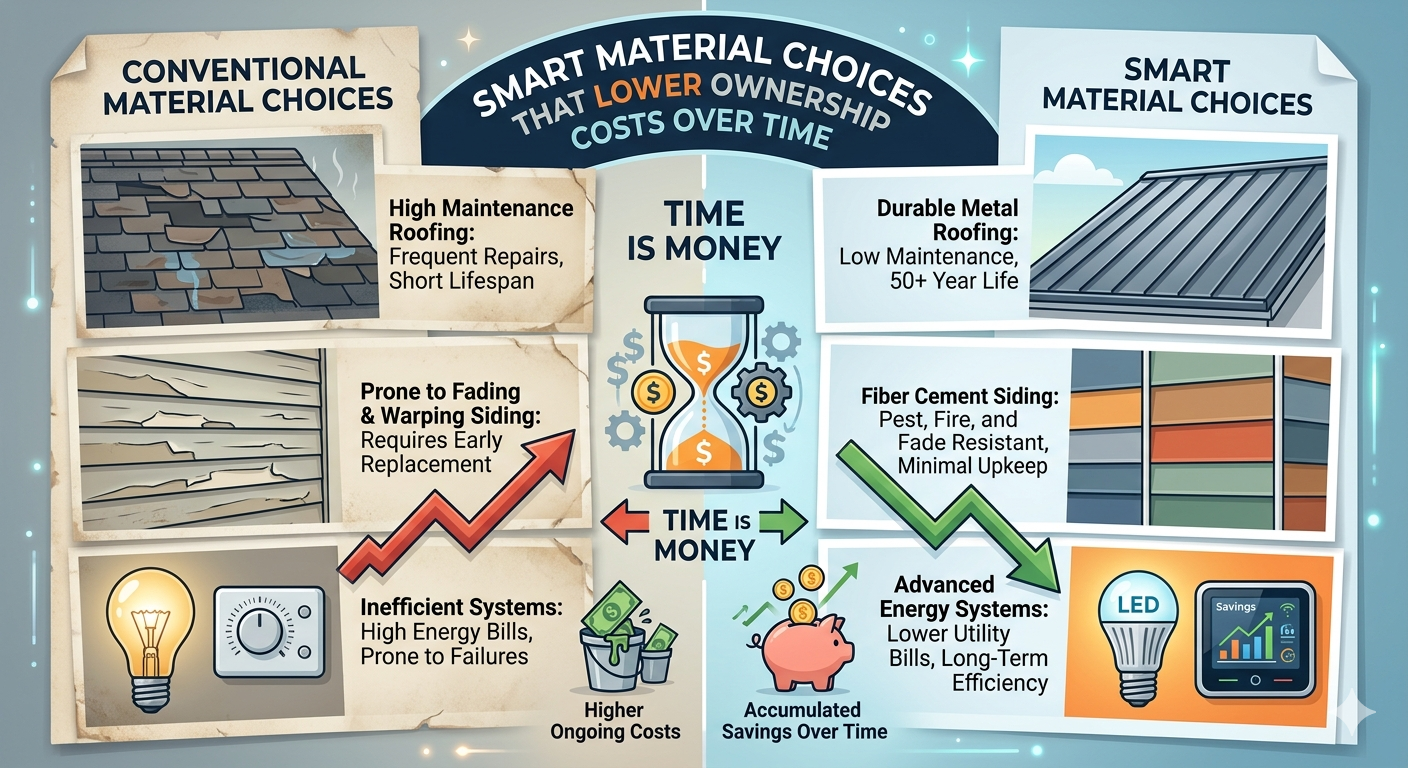
Maintenance routines, replacement cycles, subfloor preparation, moisture barriers. All of it accumulates quietly. Smart material selection means calculating total cost of ownership before the first tile goes down. Not discovering it after the first replacement cycle.
The Hidden Economics of Flooring Decisions
Most buyers focus on purchase price. One part of total cost of ownership. A small part, sometimes. Cleaning, maintenance, and eventual replacement can exceed the initial spend depending on the material and the conditions it faces daily. That gap between what something costs to buy and what it costs to own is where most flooring decisions go wrong.
Low-VOC products can reduce pressure on ventilation and air purification over time. That saving is invisible at purchase. It compounds quietly over years of occupancy. Durability ratings allow direct comparisons before any money changes hands. Abrasion class systems rate surfaces on wear resistance. Higher ratings perform better in high-traffic areas. Selecting the right rating prevents premature wear. Most unexpected cost accumulates not in the purchase but in the replacement that arrives too soon.
Calculating Total Cost of Ownership by Material Type
Luxury vinyl tile installs at a moderate cost. Lifespan well over a decade with basic maintenance. Low upkeep. Long cycle. Engineered hardwood costs more to install and needs periodic refinishing. Those refinishing costs add to the long-term total in ways the initial quote does not reflect. Carpet in high-traffic areas replaces more frequently than hard surfaces. Maintenance runs higher. Laminate offers no refinishing option. Worn out means replaced. No middle ground, no second chance.
Vinyl consistently produces the lowest cumulative cost over time. Affordable installation, minimal upkeep, long replacement cycle. That combination outperforms most alternatives on a per-year basis when the full ownership period gets calculated rather than just the first invoice.
For rental property investors, the numbers get sharper. Stain-resistant vinyl cuts cleaning disputes and simplifies turnover between tenants. Installation is faster than hardwood. Lower maintenance, longer replacement cycles, faster turnaround between occupancies. The maths is not complicated once all factors are visible rather than just the purchase price.
Material Performance in Different Room Environments
Each space has its own demands. Kitchens and bathrooms need moisture resistance above everything else. Luxury vinyl and ceramic tile handle those conditions. Vinyl prevents the warping and mould growth that forces early replacement in other materials.
High-traffic entryways reveal premature wear unless higher-rated surfaces go down from the start. Abrasion class ratings exist for this reason. Surfaces rated for heavier use maintain their appearance under foot traffic considerably longer than lower-rated alternatives installed at the same cost. Bedrooms operate under different demands entirely. Cork and broadloom carpet suit sleeping areas where sound absorption and underfoot softness matter more than wear resistance. Basement installations need careful attention to moisture compatibility. Engineered wood and vinyl plank perform reliably below grade. Solid hardwood does not.
Matching material to room conditions is where most of the value in flooring decisions gets captured or lost. A carpet shop Manchester helps homeowners match flooring, underlay, room use, and traffic levels before purchase, which prevents the more expensive process of fixing a mismatch after installation.
Climate Zone Impact on Material Selection
Climate affects flooring performance in ways most buyers do not account for until damage appears. In humid climates, dimensional stability matters more than initial appearance. Solid planks absorb humidity and expand. Buckling and gaps follow. Engineered construction handles that movement without the same consequences.
Colder regions with active heating systems benefit from materials with higher thermal resistance values. Heat loss through the floor reduces. Energy bills reflect that over a full heating season. Coastal properties need salt-air resistant finishes and moisture-barrier underlayment. Not optional specifications in those environments. Whether those requirements were met at installation often determines whether a floor lasts a decade or requires replacement in three years.
Choosing materials that fit local climate conditions extends lifespan and reduces replacement frequency. That is where the financial case becomes visible. Not in the quote. In the years after installation.
Low-VOC Materials and Long-Term Health Cost Savings
VOC emissions from flooring adhesives and composite wood products carry real health risks when exposure is prolonged. Certified low-VOC products reduce those risks. They also reduce the need for additional ventilation and air purification over time. Those ongoing costs are easy to miss at purchase and difficult to attribute clearly to flooring once they appear.
Certifications that identify products meeting strict indoor air quality standards exist across most major flooring categories. Cork and bamboo carry natural properties that reduce the need for harsh cleaning agents, which extends surface life and reduces chemical exposure at the same time. Two benefits for the price of one material choice.
Buyers in health-focused property markets now check for low-VOC or certified flooring as part of their property assessment. A documented air quality record attracts a buyer profile that is more motivated and less likely to negotiate on price based on flooring condition. Resale value reflects these choices in ways that often exceed the original cost difference between certified and uncertified materials.
The Investment Perspective
Flooring is not a purchase. It is a long-term financial commitment that affects maintenance budgets, rental income, resale value, and occupant health costs across the full ownership period. Materials that appear cheaper at checkout often create higher costs later: faster wear, more cleaning, earlier replacement. The first saving disappears quietly.
Total cost of ownership is the useful metric for property investors and homeowners making decisions that will affect their finances for years. Calculate it before purchase. A well-selected floor does not prove itself on installation day. It proves itself every year after that.