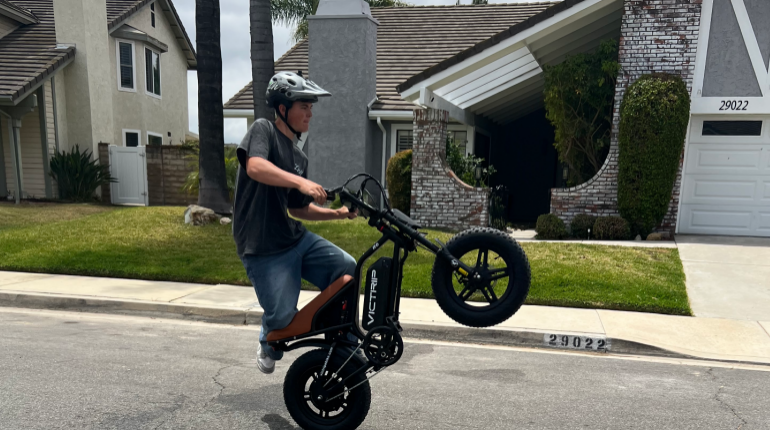
Family transportation is changing as more households look for practical ways to manage short daily trips while reducing reliance on cars. Rising fuel costs, busy schedules, and growing awareness of sustainable travel have encouraged many parents to explore alternatives that fit modern lifestyles. An Electric Bike for Teens has become one option worth considering because it combines pedal assistance with the convenience of a bicycle, making everyday travel more manageable for many young riders.
Whether it’s commuting to school, visiting nearby friends, or participating in after-school activities, these bikes can support greater independence while encouraging responsible mobility. This article explains how electric bikes fit into everyday family transportation, the benefits they can offer, important safety considerations, and what parents should know before deciding if this transportation option suits their family’s needs.
Why Family Transportation Is Changing
The way families travel has evolved significantly over the past few years. While cars remain essential for many longer journeys, they are not always the most practical choice for short-distance trips. School drop-offs, neighborhood errands, sports practices, and visits to local parks often involve heavy traffic, parking challenges, and unnecessary fuel consumption. As a result, many households are exploring transportation methods that provide greater flexibility for everyday routines.
At the same time, communities are investing in better cycling infrastructure, and families are becoming more conscious of environmental responsibility and healthier lifestyles. These changes have made bicycles and electric-assisted transportation increasingly appealing for local travel. Rather than replacing family vehicles altogether, electric bikes often complement existing transportation by offering a convenient solution for nearby destinations. This balanced approach allows parents to reduce some daily driving while allowing teenagers to travel independently in appropriate situations.
What Is an Electric Bike for Teens?
An electric bike for teens is a bicycle equipped with an electric motor that provides pedal assistance, helping riders travel with less physical effort while still encouraging active participation. Unlike motorcycles or scooters, these bikes require pedaling for the motor to assist, making them a practical choice for everyday transportation instead of high-speed travel.
Teen-focused electric bikes are generally designed with appropriate frame sizes, comfortable riding positions, dependable braking systems, and battery ranges suitable for school commutes and neighborhood trips. Many models also include safety-focused features such as integrated lights, reflective elements, and adjustable power settings. While specifications vary, the overall goal is to create a riding experience that supports convenience, comfort, and confidence for younger riders without sacrificing the familiar feel of a traditional bicycle.
Everyday Ways Teens Can Use an Electric Bike
An electric bike can become a practical part of a teenager’s daily routine by making short-distance transportation more efficient and accessible. For many families, it offers a convenient way to handle everyday travel while reducing the need for frequent car trips.
Some common ways teens may use an electric bike include:
- Riding to and from school when local regulations allow.
- Traveling to sports practices or extracurricular activities.
- Visiting nearby friends and community spaces.
- Running small family errands close to home.
- Enjoying recreational rides on weekends or during school breaks.
These everyday uses can help teenagers build confidence, develop responsibility, and become more familiar with safe road habits. When combined with proper supervision, regular maintenance, and responsible riding practices, an electric bike can serve as a valuable transportation option that complements a family’s overall mobility rather than replacing traditional transportation altogether.
Benefits for the Entire Family
An electric bike for teens can offer advantages that extend beyond the individual rider. For many households, it provides another transportation option that helps simplify daily routines without replacing the family car. When teenagers can safely handle nearby trips, parents may spend less time coordinating rides to school, extracurricular activities, or neighborhood destinations. This added flexibility can make busy schedules easier to manage.
Electric bikes can also encourage healthier habits by keeping teens physically active through regular pedaling while reducing reliance on short car journeys. In addition, replacing some local vehicle trips with an e-bike may contribute to lower fuel consumption and reduced transportation expenses over time. Families who value environmentally responsible travel may also appreciate the opportunity to decrease emissions associated with everyday commuting. Used responsibly, a teen e-bike can become a practical addition to a family’s overall transportation plan while promoting greater independence and confidence.
Important Safety Considerations for Teen Riders
Safety should always be the highest priority when a teenager rides an electric bike. Parents should ensure that young riders understand local traffic regulations, recognize road signs, and practice defensive riding techniques before traveling independently. Learning how to anticipate traffic, signal turns, and maintain awareness of surrounding vehicles can significantly improve riding safety.
Some essential safety habits include:
- Wear a properly fitted helmet every ride.
- Using front and rear lights in low-light conditions.
- Following local cycling laws and speed limits.
- Performing regular brake, tire, and battery checks.
- Avoid distractions such as mobile phone use while riding.
Parents should also consider their teen’s maturity, riding experience, and the routes they plan to use. Choosing roads or bike lanes with lower traffic volumes can help build confidence before progressing to busier environments. Regular maintenance and responsible riding habits are equally important for long-term safety and reliability.
Features Parents Should Consider Before Choosing an Electric Bike for Teens
Selecting the right electric bike involves more than comparing speed or battery capacity. Parents should evaluate whether the bike matches their teenager’s daily transportation needs, riding experience, and local environment. A properly fitted frame improves comfort and handling, while dependable brakes and quality tires contribute to safer riding in different weather and road conditions.
Battery range should comfortably cover regular trips without requiring frequent charging, and the bike’s overall weight should remain manageable for younger riders. Comfort features such as an adjustable saddle, ergonomic handlebars, and stable geometry can also improve the everyday riding experience. Families researching commuter-focused models may come across options such as the VICTRIP R7, which represents the type of electric bike designed for practical daily transportation, comfort, and consistent urban commuting rather than extreme off-road performance.
Matching the Bike to Everyday Transportation Needs
The best electric bike depends on how it will be used each day. A teen traveling a few miles to school may have different requirements than someone riding through hilly neighborhoods or participating in weekend recreational rides. Considering travel distance, terrain, weather conditions, and storage space helps families choose a bike that supports safe, reliable, and comfortable transportation over the long term.
How Teen Ebikes Compare With Other Transportation Options
Compared with traditional bicycles, electric bikes make longer rides and moderate hills easier to manage because pedal assistance helps reduce rider fatigue. This added support may encourage more consistent use for school commuting and other everyday travel. Unlike family cars, ebikes eliminate concerns such as fuel costs, traffic delays during short trips, and limited parking at nearby destinations.
Public transportation can also be a practical choice in many communities, but it often depends on fixed schedules and designated routes. An electric bike offers greater flexibility by allowing teens to travel directly to local destinations when appropriate and permitted. Each transportation option has its own strengths, and the most suitable choice depends on factors such as travel distance, local infrastructure, safety, and the family’s daily routine.
Common Misconceptions About Electric Bikes for Teens
Electric bikes are often misunderstood, especially by people who have limited experience with modern pedal-assist technology. One common misconception is that they function like motorcycles. In reality, most electric bikes for teens are designed to provide motor assistance only while the rider is pedaling, making them very different from motorized vehicles. Another myth is that ebikes eliminate physical activity. Although pedal assistance reduces effort on hills and longer rides, riders still engage in regular cycling and remain physically active.
Some people also believe electric bikes are automatically unsafe for teenagers. In practice, safety depends on factors such as responsible riding habits, proper supervision, regular maintenance, and following local regulations. With appropriate training and protective equipment, many teens can safely incorporate an electric bike into their daily transportation routine. Understanding these facts helps families make informed decisions based on realistic expectations rather than common misconceptions.
Environmental and Long-Term Financial Benefits
Replacing some short car trips with an electric bike can support both environmental and financial goals over time. Since ebikes consume significantly less energy than most passenger vehicles, they can help reduce fuel use for nearby errands, school commutes, and recreational travel. While they are not a complete replacement for family vehicles, they can become an effective supplement for local transportation.
From a financial perspective, reducing frequent short-distance driving may lower ongoing fuel expenses and decrease wear on a family vehicle. Electric bikes also typically require less routine maintenance than automobiles, making them a practical transportation option for many households. At the same time, choosing alternative transportation for suitable trips can contribute to cleaner air, lower emissions, and more sustainable travel habits. These combined benefits make electric bikes an increasingly practical choice for families looking to improve everyday mobility while being mindful of long-term transportation costs.
Conclusion
An electric bike for teens can become a valuable part of everyday family transportation when used responsibly and matched to a teenager’s needs. From simplifying short-distance travel to encouraging greater independence and supporting healthier, more sustainable commuting habits, these bikes offer practical advantages without replacing traditional transportation entirely. Parents should carefully consider safety, local regulations, bike features, and intended daily use before making a decision.
Taking the time to choose the right model and promoting responsible riding habits can help teenagers enjoy a safe and positive experience. As families compare different commuter-friendly electric bikes, exploring options from brands such as VICTRIP can provide a helpful starting point for finding a model that aligns with their transportation goals and everyday lifestyle.
Frequently Asked Questions
What age is appropriate for an electric bike for teens?
The appropriate age depends on local regulations, the teenager’s maturity, and riding experience. Parents should also consider whether their child understands traffic rules, can ride confidently, and is capable of handling an electric bike safely in everyday conditions.
Can teens ride electric bikes to school?
In many areas, teens can ride electric bikes to school if local laws allow it and safe cycling routes are available. Parents should review local regulations, ensure proper safety equipment is used, and choose routes with suitable cycling infrastructure whenever possible.
Are electric bikes safe for teenagers?
Electric bikes can be safe when teenagers wear protective gear, follow traffic laws, maintain their bikes properly, and ride responsibly. Adult guidance, routine maintenance, and choosing a bike that matches the rider’s experience level are also important safety factors.
How far can an electric bike for teens travel on one charge?
Travel distance varies depending on battery capacity, rider weight, terrain, weather conditions, and the level of pedal assistance used. Many commuter-oriented electric bikes are designed to comfortably handle everyday school and neighborhood transportation on a single charge.
What should parents look for before choosing an electric bike for teens?
Parents should evaluate frame size, braking performance, battery range, overall weight, riding comfort, safety features, build quality, and intended daily use. Selecting a bike that fits the teenager properly often contributes to a safer and more enjoyable riding experience.