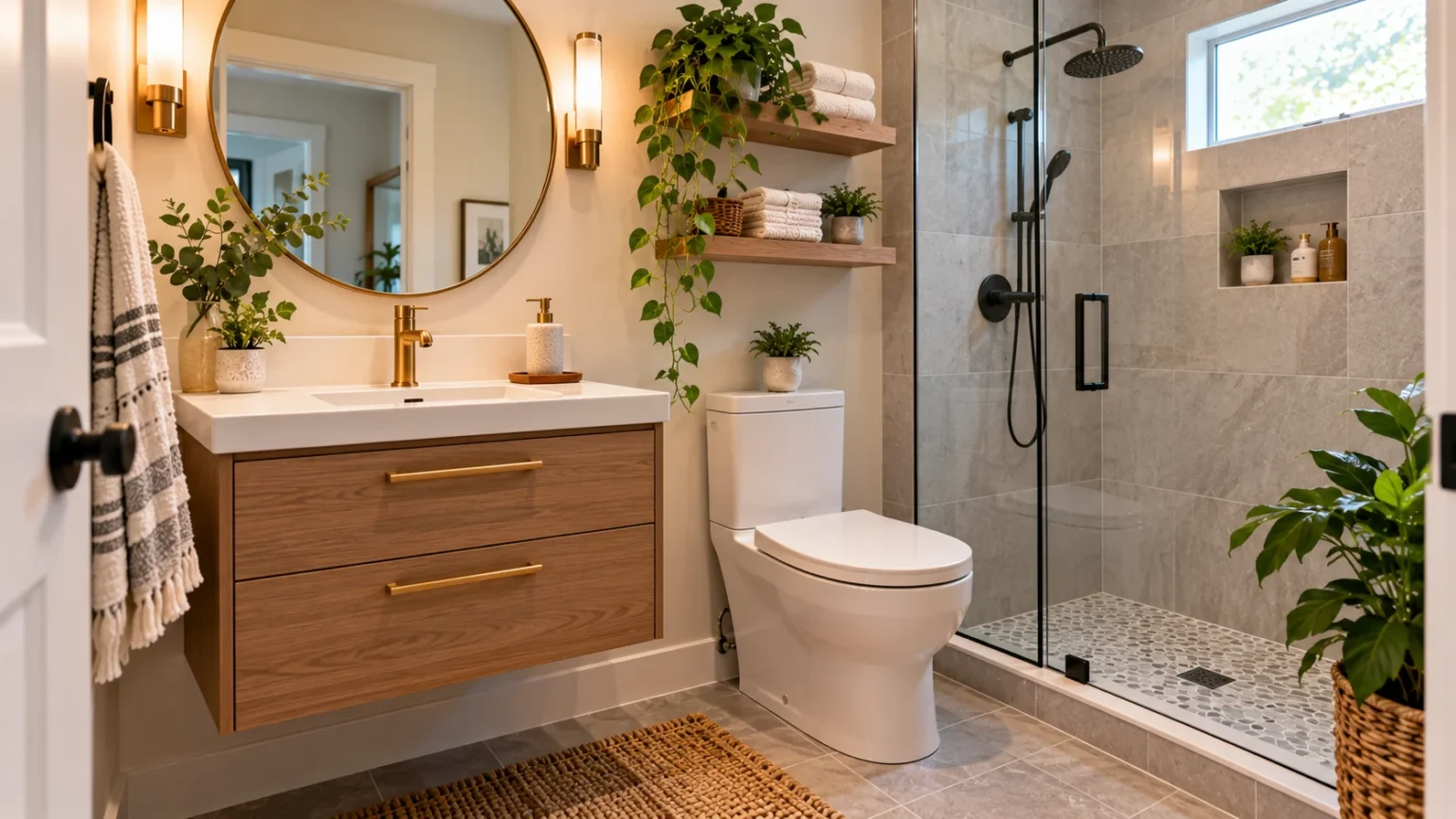
Designing a small bathroom can be challenging, especially when you need enough storage, comfortable movement space, and an attractive vanity. A bathroom vanity is one of the most important features because it combines a sink, countertop, and often essential storage in a single area. Choosing the right design can make a compact bathroom feel more organized, functional, and visually spacious.
Fortunately, there are many bathroom vanity ideas for small spaces that balance practicality with modern style. From floating vanities and narrow cabinets to corner sinks and clever storage solutions, homeowners can find designs that suit different layouts and budgets. This guide explores space-saving bathroom vanities, popular materials, smart organization ideas, and practical tips for making the most of a small bathroom.
Why Choosing the Right Vanity Matters in a Small Bathroom
A bathroom vanity affects how comfortably people can move around and use a compact bathroom. Oversized cabinets may restrict access to the toilet, shower, or bathroom entrance, making daily routines inconvenient. Selecting a vanity with suitable dimensions helps maintain comfortable circulation while providing the countertop and storage space needed for everyday activities.
The appearance of a vanity also influences how spacious a bathroom feels. Bulky furniture, dark finishes, and excessive decorative details can make some compact layouts appear crowded. In contrast, streamlined designs, coordinated colors, and carefully selected materials can create a cleaner atmosphere that complements existing tiles, mirrors, lighting, and bathroom fixtures.
Storage capacity is another important consideration when selecting a small bathroom vanity. Toiletries, cleaning supplies, towels, and personal care products need convenient places without covering every available surface. A thoughtfully designed vanity combines useful compartments with appropriate dimensions, helping homeowners improve organization without sacrificing valuable bathroom floor space.
Floating Bathroom Vanities for a Modern Look
Floating bathroom vanities are popular in small bathrooms because they attach to the wall rather than resting directly on the floor. This design exposes the flooring beneath the cabinet, creating a lighter and more open appearance. The visible space can make compact bathrooms feel less crowded while supporting a clean, contemporary decorating style.
Wall-mounted vanities are available in different widths, colors, and storage configurations. Homeowners can choose models with drawers, open compartments, or simple cabinet doors depending on their needs. Pairing a floating vanity with a compact sink and coordinated mirror can create a balanced design without introducing unnecessary furniture into the room.
Proper installation is essential because floating vanities must support the weight of the cabinet, sink, countertop, and stored items. Suitable wall framing, plumbing arrangements, and mounting hardware are necessary for safe performance. A qualified installer can confirm whether the existing wall provides adequate support and whether adjustments are required before installation.
Narrow Bathroom Vanities for Tight Spaces
Narrow bathroom vanities are excellent options for bathrooms with limited floor width or restricted movement areas. These designs generally have shallower cabinets than traditional bathroom furniture, helping preserve clearance around nearby fixtures. A carefully selected narrow vanity can provide essential sink functionality without making the bathroom feel uncomfortable or overcrowded.
Slim vanities come in various styles, including modern wall-mounted cabinets and compact freestanding models. Some feature reduced-depth sinks that extend only slightly beyond the cabinet. These configurations can work particularly well in guest bathrooms, small apartments, and powder rooms where space is limited but everyday convenience remains important.
Before purchasing a narrow vanity, measure the available floor area and consider how the cabinet doors or drawers will open. Ensure that the sink remains comfortable to use and that the surrounding plumbing connections are compatible. Choosing appropriate proportions is more important than selecting the smallest available cabinet without considering functionality.
Corner Bathroom Vanities to Maximize Space
Corner bathroom vanities can make use of areas that are difficult to accommodate with conventional rectangular cabinets. By positioning the sink in a corner, homeowners may free up wall space for other fixtures or improve movement through the room. This arrangement can be especially useful in unusually shaped bathrooms or compact powder rooms.
Corner vanity designs range from simple wall-mounted sinks to triangular cabinets with integrated storage. Some models feature small countertops and enclosed compartments for everyday essentials. Choosing a style that complements the surrounding fixtures helps the vanity feel like a natural part of the bathroom rather than an awkward addition.
Although corner vanities can save space, they are not suitable for every bathroom layout. The position of the toilet, door, shower, and existing plumbing influences whether this configuration will work comfortably. Accurate measurements and careful planning help ensure the corner sink remains accessible without interfering with nearby fixtures.
Small Bathroom Vanities With Built-In Storage
A vanity with built-in storage helps reduce clutter and improves functionality in compact bathrooms. Cabinets, drawers, and internal compartments provide convenient places for toiletries, grooming accessories, and cleaning products. Keeping these items organized and out of sight can make the bathroom appear cleaner while preserving valuable countertop space.
Drawers are particularly useful for separating smaller products that might otherwise become difficult to find. Adjustable shelves and internal organizers allow homeowners to customize storage according to personal needs. Selecting a vanity with practical compartments can provide greater everyday convenience than choosing a larger cabinet with poorly arranged interior space.
Storage should also account for the location of plumbing pipes beneath the sink. Some cabinets require specially shaped drawers or open sections to accommodate supply and drainage connections. Reviewing internal dimensions before purchasing helps prevent installation problems and ensures the vanity provides genuinely useful storage capacity.
Wall-Mounted Sink and Vanity Combinations
Wall-mounted sink and vanity combinations provide a compact alternative to traditional bathroom cabinetry. These designs may include a small basin with integrated shelving or a narrow storage unit underneath. By keeping the installation visually simple, they can create a more open appearance while maintaining essential sink functionality.
This arrangement works particularly well in bathrooms where floor space is more valuable than extensive storage capacity. A compact wall-mounted basin can provide comfortable handwashing without occupying a large footprint. Additional storage may be supplied through nearby wall shelves, recessed cabinets, or carefully selected organizers that complement the overall design.
When choosing a wall-mounted sink, consider the position of existing water supply and drainage pipes. Exposed plumbing may become part of the design or require suitable decorative covers. Secure installation and appropriate wall support are essential, especially when the sink itself is mounted directly to the wall structure.
Bathroom Vanities With Open Shelving
Open-shelf bathroom vanities create an airy appearance by replacing some traditional cabinet doors with exposed storage areas. This design can make a compact bathroom feel visually lighter, particularly when the surrounding colors are soft and coordinated. Open shelves also provide convenient access to frequently used towels and everyday bathroom accessories.
Homeowners can use baskets, containers, and folded towels to keep exposed storage areas organized. Choosing a limited number of coordinated accessories helps maintain a clean appearance without creating unnecessary visual clutter. Natural-looking baskets and neutral textiles can introduce warmth while complementing contemporary, coastal, or traditional bathroom decorating styles.
However, open shelving requires regular organization because stored items remain visible. Bathrooms also experience humidity and occasional water splashes, making moisture-resistant materials important. If your household prefers concealed storage or frequently stores numerous small products, a vanity combining open shelves with closed drawers may be more practical.
Compact Bathroom Vanities With Drawers
Drawer-style bathroom vanities provide convenient storage while keeping toiletries and personal care products neatly arranged. Unlike deep cabinets where items may become hidden behind one another, drawers allow easier access to their contents. This design can be especially useful in small bathrooms where organization helps reduce everyday clutter.
Modern compact vanities may include multiple shallow drawers or a combination of drawers and cabinet compartments. Internal dividers can separate grooming tools, skincare products, and smaller bathroom accessories. Choosing a layout based on the items you actually store helps maximize available capacity without purchasing unnecessarily large furniture.
Before selecting a drawer vanity, consider its clearance requirements and how drawers interact with nearby fixtures. A cabinet positioned too close to a toilet or doorway may restrict access when opened. Proper measurements and thoughtful placement help ensure that the storage remains comfortable to use in daily routines.
Best Vanity Colors for Small Bathrooms
Vanity color can significantly influence the overall appearance of a compact bathroom. Light finishes such as white, cream, pale gray, and soft beige are popular because they coordinate easily with many wall and flooring materials. These colors can create a bright, calm atmosphere when combined with suitable lighting and uncluttered surrounding surfaces.
Natural wood finishes are another attractive choice for small bathroom vanities. Light oak-inspired designs and warm wood tones can introduce texture without making the space feel overly dark. Pairing these finishes with white countertops, simple hardware, and neutral wall colors creates a balanced appearance suited to several decorating styles.
Dark-colored vanities can also work in compact bathrooms when used thoughtfully. Navy blue, charcoal, and deep green cabinets may create a distinctive focal point against lighter surroundings. The best choice depends on the bathroom’s lighting, existing tiles, decorative preferences, and the amount of visual contrast you want to introduce.
Choose a Small Vanity With a Large Mirror
Combining a compact vanity with a suitably sized mirror can improve both appearance and functionality. Mirrors reflect light and surrounding surfaces, helping create a greater sense of openness in smaller bathrooms. A well-positioned mirror also provides practical visibility for daily grooming without requiring additional floor space or large decorative furniture.
Rectangular mirrors work well above narrow vanities, while round designs can soften bathrooms dominated by straight lines. Frameless mirrors offer a minimalist appearance, and thin-framed options introduce subtle decorative detail. Choosing proportions that complement the vanity creates a cohesive design without overwhelming the available wall space.
Mirror placement should also account for lighting and the needs of different household members. A mirror that is too high or poorly illuminated may be inconvenient despite its attractive appearance. Secure mounting is important, particularly for larger or heavier designs that require appropriate wall anchors and suitable installation hardware.
Small Double-Sink Vanity Ideas for Shared Bathrooms
A double-sink vanity can be convenient in shared bathrooms because two people may use the space at the same time. However, fitting two sinks into a compact room requires careful planning. The available wall width, countertop space, plumbing configuration, and clearance around nearby fixtures determine whether this arrangement is practical.
Some compact double-sink vanities use streamlined basins and minimal countertop edges to reduce visual bulk. Wall-mounted designs may also create a lighter appearance than large freestanding cabinets. Nevertheless, choosing two sinks often reduces available storage or counter space, making it important to compare everyday convenience with the room’s actual limitations.
In especially small bathrooms, a single sink with additional countertop space may provide better overall functionality. Shared storage, organized drawers, and appropriate mirror placement can help multiple household members use the room comfortably. The ideal arrangement depends on daily routines rather than assuming that two sinks are always preferable.
Bathroom Vanity Ideas With Vessel Sinks
Vessel sinks sit above the countertop and can create an attractive focal point in small bathroom designs. They are available in round, oval, rectangular, and other shapes that complement different decorating styles. Pairing a compact vessel sink with a simple vanity cabinet may provide a distinctive appearance without requiring elaborate bathroom accessories.
One advantage of a vessel sink is the opportunity to combine different materials, such as ceramic basins with wood-look or stone-inspired countertops. However, the raised basin increases the overall height of the sink area. Homeowners should consider comfortable handwashing height, faucet reach, and splash control before selecting this configuration.
Vessel sinks also require suitable drainage connections and enough space around the basin for convenient cleaning. Certain designs may leave limited usable countertop area on narrow cabinets. Choosing appropriately sized components helps ensure the finished vanity remains practical rather than becoming an attractive feature that is difficult to use.
Space-Saving Pedestal Sinks vs. Small Vanities
Pedestal sinks and compact bathroom vanities offer different advantages for small spaces. A pedestal sink has a relatively open appearance because it does not include a large storage cabinet beneath the basin. This can make narrow bathrooms feel less crowded while preserving space around nearby fixtures and walkways.
However, pedestal sinks provide little or no enclosed storage, which may create challenges in bathrooms containing numerous toiletries and supplies. Compact vanities offer additional organization but usually occupy more visible space. Understanding your household’s storage needs helps determine whether an open sink design or a small cabinet would provide better functionality.
Homeowners who prefer pedestal sinks can add suitable wall shelves or recessed storage where the layout allows. Alternatively, a shallow floating vanity may provide a compromise between an open appearance and practical organization. Comparing dimensions, installation requirements, and daily routines makes it easier to select the most useful option.
Modern Minimalist Bathroom Vanity Designs
Minimalist bathroom vanities focus on clean lines, simple shapes, and practical functionality. These designs often feature flat cabinet fronts, subtle hardware, and understated countertop materials. In compact bathrooms, reducing unnecessary visual detail can create a more organized appearance while allowing other features to remain visually balanced.
Handleless drawers and integrated cabinet pulls are common elements of modern minimalist designs. Neutral finishes and concealed storage help create a streamlined appearance without sacrificing everyday convenience. Pairing these cabinets with simple mirrors, appropriate lighting, and coordinated fixtures can establish a consistent contemporary bathroom style.
Although minimalist vanities appear simple, they still require careful attention to storage and maintenance. Cabinet finishes should tolerate bathroom humidity, while drawers and doors need sufficient clearance for comfortable operation. Choosing quality materials and practical internal compartments helps ensure the design remains useful beyond its initial visual appeal.
Budget-Friendly Bathroom Vanity Makeover Ideas
Updating an existing bathroom vanity can be more affordable than purchasing and installing a completely new cabinet. If the structure remains sound, refreshing the finish and replacing outdated hardware may provide a noticeable improvement. This approach can help homeowners achieve a different style while preserving useful cabinetry and avoiding unnecessary construction work.
Painting cabinet fronts with suitable moisture-resistant products is one way to refresh an older vanity. Replacing drawer pulls, cabinet handles, and decorative accessories can further modernize its appearance. However, surface preparation and product compatibility are essential because bathroom humidity can affect finishes that are not designed for moisture-prone environments.
Another affordable improvement is organizing existing drawers and cabinets more efficiently. Storage baskets, adjustable organizers, and coordinated countertop containers can make the vanity feel more functional. Before spending money on a replacement, evaluate whether smaller improvements could provide the appearance and convenience your bathroom needs.
Best Countertop Materials for Small Bathroom Vanities
Countertop selection affects the appearance, durability, and maintenance requirements of a bathroom vanity. Popular options include engineered quartz, solid-surface materials, laminate, and selected natural stones. Each material offers different characteristics regarding moisture resistance, stain management, installation costs, and the amount of routine care required.
Engineered quartz is popular for its relatively low maintenance and variety of decorative finishes. Solid-surface countertops can provide a smooth, coordinated appearance, while laminate often offers a more affordable alternative. Natural stone may create a distinctive look but can require additional sealing or specialized cleaning depending on the material.
Small bathrooms benefit from countertops that are easy to clean and appropriately sized for the cabinet. Overly deep surfaces can interfere with movement, while insufficient counter space may make daily routines inconvenient. Comparing materials according to appearance, maintenance, durability, and budget helps homeowners choose a practical long-term solution.
Common Mistakes to Avoid When Choosing Small Bathroom Vanities
One common mistake is choosing a vanity based only on appearance without checking its dimensions. A cabinet that looks compact in a showroom may still obstruct a bathroom doorway, toilet, or shower entrance. Accurate measurements and attention to fixture clearances are essential before purchasing furniture for a limited space.
Another mistake is overlooking storage requirements when selecting a minimalist or decorative design. A beautiful vanity may become inconvenient if it cannot hold everyday essentials or accommodate plumbing connections. Reviewing the cabinet’s interior layout helps ensure the available storage meets household needs rather than creating additional countertop clutter.
Homeowners should also avoid selecting materials that cannot tolerate normal bathroom humidity. Unsuitable finishes, poorly protected wood products, and incompatible countertops may deteriorate with repeated moisture exposure. Choosing appropriate materials and following installation recommendations helps protect the investment while supporting reliable everyday performance.
How to Choose the Best Bathroom Vanity for a Small Space
Choosing the best bathroom vanity begins with measuring the available floor area, wall space, and distances between fixtures. Consider the required sink size, storage capacity, door clearance, and plumbing connections. These practical details help determine whether a floating, narrow, corner, or compact freestanding vanity will suit the room most effectively.
Next, evaluate your preferred decorating style and select materials that complement the existing bathroom. Light colors and simple designs may help create a more open appearance, while natural wood finishes introduce warmth. Choosing a coordinated countertop, mirror, and hardware can establish visual consistency without adding unnecessary decorative elements.
Finally, compare product durability, installation requirements, maintenance needs, and overall project costs before making a decision. A vanity should provide comfortable daily use rather than simply fitting into the available space. Balancing appearance, storage, quality, and practical dimensions helps create a small bathroom that feels organized and welcoming.
Conclusion
Bathroom vanity ideas for small spaces focus on making the most of limited room while maintaining style and everyday functionality. Floating cabinets, narrow designs, corner vanities, and compact storage solutions provide useful alternatives to oversized traditional furniture. Choosing appropriate proportions can help improve movement, organization, and the overall appearance of a compact bathroom.
The most successful small bathroom vanity designs combine practical storage with coordinated colors, durable materials, and carefully positioned fixtures. Light finishes, suitable mirrors, and efficient drawer arrangements can make the space feel more comfortable and visually balanced. Considering plumbing requirements, installation safety, and long-term maintenance also helps prevent unnecessary renovation problems.
Whether you are updating an existing vanity or selecting a completely new design, thoughtful planning can transform how your bathroom looks and functions. Focus on the features that matter most to your household, including storage, accessibility, comfort, and personal style. With the right vanity, even a very small bathroom can become an attractive, practical, and well-organized space.
Frequently Asked Questions (FAQs)
What type of vanity is best for a small bathroom?
Floating, narrow, and corner vanities are often practical choices for compact bathrooms. The best design depends on available dimensions, storage requirements, plumbing placement, and clearance around surrounding fixtures.
What size vanity should I choose for a small bathroom?
Many small bathrooms can accommodate vanities approximately 18 to 30 inches wide, although suitable dimensions vary. Measure the available space carefully and maintain appropriate clearances around doors and fixtures.
Do floating vanities make small bathrooms look bigger?
Floating vanities can create a more open appearance by exposing the floor beneath the cabinet. Their streamlined designs also help reduce visual bulk, particularly when paired with light colors and simple fixtures.
How can I add more storage to a small bathroom vanity?
Choose cabinets with drawers, adjustable shelves, and internal organizers. You can also use baskets, drawer dividers, and nearby wall storage to keep toiletries organized without overcrowding the countertop.
Are dark bathroom vanities suitable for small spaces?
Yes, dark vanities can work well in compact bathrooms when balanced with lighter walls, suitable lighting, and coordinated accessories. Navy, charcoal, and deep green finishes can create attractive focal points.