Hot water is one of those things you never think about until it disappears. One cold shower on a Monday morning is usually enough to make anyone wonder if their water heater has reached the end of its road. The good news? There are usually warning signs long before a complete breakdown happens, and knowing what to look for can save you from an unexpected cold surprise.
At Wanda’s Water Heaters, we’ve helped countless homeowners recognize the signs that their unit needs attention before a minor issue becomes a major inconvenience. Whether your system is humming along just fine or showing a few red flags, understanding the lifespan and warning signs of a water heater can help you plan ahead instead of scrambling during an emergency.
In this post, we’ll walk through the most common signs that your water heater might need replacing, what factors affect its lifespan, and why acting early often saves both money and stress.
How Long Does a Water Heater Typically Last?
Most traditional tank water heaters last between 8 and 12 years, while tankless models can often stretch beyond 15 to 20 years with proper maintenance. Several factors influence this lifespan, including water quality, usage frequency, and how well the unit has been maintained over the years.
Homes with hard water, for example, tend to see more mineral buildup inside the tank, which can shorten its effective life. Regular flushing and maintenance can extend a unit’s performance, but even the best-maintained water heaters eventually reach a point where replacement becomes the smarter choice over repair.
What Factors Shorten a Water Heater’s Lifespan?
A few common culprits tend to speed up wear and tear:
- Hard water mineral deposits: Sediment buildup reduces efficiency and strains the heating element.
- Lack of regular maintenance: Skipping annual flushes allows corrosion to progress unchecked.
- Oversized or undersized units: A water heater that’s mismatched to household demand works harder than it should, leading to premature wear.
- Age of the unit: Even with excellent care, internal components naturally degrade over time.
What Are the Warning Signs That You Need a New Water Heater?
Spotting trouble early gives you time to plan rather than react. Here are the signs our technicians see most often when a water heater is nearing the end of its useful life.
Is Your Water Heater Making Strange Noises?
Rumbling, popping, or banging sounds coming from your tank usually point to sediment buildup at the bottom of the unit. Over time, this sediment hardens and forces the heater to work harder, which not only increases energy bills but also accelerates wear on the tank itself. While a flush can sometimes resolve minor sediment issues, persistent noise often signals it’s time to consider a new system.
Is Your Hot Water Supply Inconsistent?
If your showers are running lukewarm instead of hot, or your hot water runs out faster than it used to, your water heater’s heating element may be failing. Inconsistent temperatures are one of the clearest signs that your unit is struggling to keep up with household demand.
Do You Notice Rusty or Discolored Water?
Rust-colored water coming from your hot water tap is a strong indicator of internal tank corrosion. Once rust develops inside the tank, it typically continues to spread, weakening the structure and increasing the risk of leaks.
Is There Moisture or Pooling Water Around the Tank?
Even small amounts of moisture around the base of your water heater shouldn’t be ignored. Leaks often start as a slow drip, but they can quickly escalate into a larger issue that damages flooring, walls, or nearby belongings.
Has Your Energy Bill Increased Without Explanation?
As water heaters age, they lose efficiency. If your energy bills have crept up without any change in usage habits, your aging unit may be working overtime to produce the same amount of hot water it used to deliver with ease.
Why Replacing Your Water Heater Early Can Save You Money
It’s tempting to squeeze every last bit of life out of an appliance, but when it comes to water heaters, waiting too long can backfire. An inefficient unit costs more to run every month, and the risk of a sudden failure, often accompanied by water damage, grows the longer an aging system stays in service.
Newer water heaters are also significantly more energy-efficient than models built even a decade ago. Upgrading not only reduces the chance of an emergency breakdown but can also lower your monthly utility costs over time.
Why Choose Professional Installation for Your Next Water Heater?
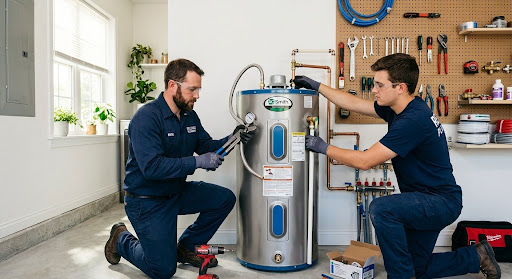
Enjoying reliable hot water every day starts with proper installation handled by trained professionals. A poorly installed water heater can lead to inefficiency, premature failure, or even safety hazards and that’s why Water Heater Replacement services from Wanda’s Water Heaters are designed to take the guesswork out of the process from start to finish.
Our technicians evaluate your household’s hot water needs, recommend the right size and type of unit for your home, and handle the installation with care and precision. We also take time to walk you through maintenance tips afterward, helping your new system last as long as possible.
Choosing a professional team for replacement means fewer surprises, better long-term performance, and peace of mind knowing the job was done right the first time.
Ready for Reliable Hot Water Again?
A failing water heater doesn’t have to mean a stressful ordeal. By watching for the signs we’ve outlined, strange noises, inconsistent temperatures, discolored water, leaks, or rising energy bills, you can make an informed decision before a small issue turns into a costly emergency.
If you’ve noticed any of these warning signs in your own home, now is a great time to have your system evaluated. Wanda’s Water Heaters is here to help you find the right solution, whether that means a quick repair or a full replacement, so you can get back to enjoying hot water without a second thought.
Frequently Asked Questions
How do I know if I need a repair or a full replacement?
If your water heater is under eight years old and showing a single issue, like a faulty thermostat, a repair may be sufficient. However, units older than ten years with multiple symptoms, such as rust, leaks, and inconsistent heating, are usually better candidates for replacement.
How long does a water heater replacement take?
Most standard replacements can be completed within a few hours, depending on the type of unit and any adjustments needed to existing plumbing or venting.
Is it worth switching to a tankless water heater during replacement?
Tankless units offer longer lifespans and improved energy efficiency, making them a worthwhile option for households looking to reduce long-term costs, though the upfront investment is typically higher than a traditional tank model.
What size water heater does my home need?
The right size depends on your household’s hot water usage, including the number of bathrooms, appliances, and typical daily demand. A professional assessment ensures you get a unit that matches your actual needs without overpaying for excess capacity.