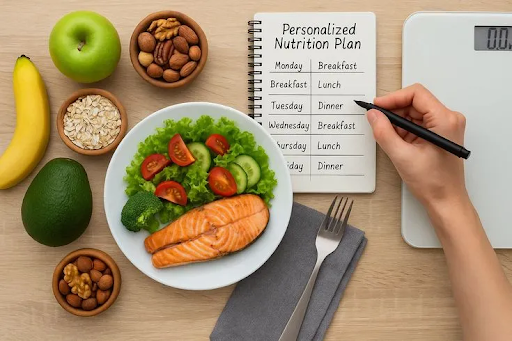
People often know what a “healthy diet” is supposed to look like, yet turning general advice into everyday behaviour can still be difficult. Work schedules change, family meals need compromise, budgets matter and motivation is rarely identical from one week to the next. Someone searching for a health nutritionist may therefore benefit most from support that starts with real routines rather than an idealised meal plan. The purpose of nutrition guidance should be to make healthier choices more practical, understandable and sustainable without creating unnecessary rules around food.
Start With the Week You Actually Have
A nutrition plan built around an unrealistic routine is unlikely to last. Someone who leaves home early may need breakfast options that can be prepared quickly. A parent cooking for several people may need meals that work for the whole household. A person travelling frequently may need strategies for restaurants or convenience food rather than recipes requiring a fully stocked kitchen.
Understanding these details helps turn broad nutrition goals into actions that can actually be repeated.
Prioritise Changes Instead of Rebuilding Everything
Trying to improve every part of a diet at once can make the process harder than necessary. It is often more manageable to identify one or two priorities. These might involve eating more regularly, increasing vegetable variety, improving hydration or reducing reliance on last-minute food choices.
Once a new habit becomes easier, another can be added. This gives people time to learn what works instead of treating the process as a short period of perfect behaviour.
Personalised Support Should Still Be Practical
Personalised nutrition recognises that recommendations may need to reflect an individual’s goals, preferences, health context and lifestyle. Personalisation, however, should not mean creating an unnecessarily complicated plan. A useful recommendation might be as simple as adjusting meal timing around work, finding suitable alternatives for foods someone dislikes or building familiar cultural foods into the plan.
The best plan is not the one with the greatest number of instructions. It is the one that gives enough structure to make better choices without making everyday eating harder.
Budget Is Part of the Conversation
Nutritious eating does not require every product to be premium, organic or marketed as a health food.
Frozen vegetables, tinned pulses, oats, eggs and other basic foods can be practical choices depending on someone’s needs and preferences. Planning around ingredients that work across several meals may also reduce waste.
When cost matters, recommendations should acknowledge it directly. Advice that ignores budget may be reasonable in theory but difficult to use in practice.
Food Preferences Deserve Respect
People are more likely to maintain changes when they still enjoy eating.
Personal preference, culture, religion, cooking traditions and family habits all influence food choices. Effective support works with those factors where possible rather than assuming one eating style suits everyone.
This can prevent people from feeling that familiar foods must be abandoned. In many cases, adjustments to balance, preparation or frequency may be more realistic than complete replacement.
Allow for Imperfect Days
A sustainable approach needs room for convenience meals, celebrations, travel and changing appetite.
One meal does not define the overall quality of a diet. Looking at patterns across days and weeks is often more useful than judging isolated choices.
Rigid thinking can make people feel they have failed after a change of plan. A more flexible approach asks what happened and how normal routines can resume.
Progress Needs More Than the Scale
Body weight may be relevant for some people, but it is not the only way to notice progress.
Depending on the goal, useful observations might include more consistent meals, improved cooking confidence, greater food variety or better planning during busy days.
Choosing measures that match the original goal makes reviews more meaningful and keeps attention on behaviours within the person’s control.
Know When Medical Input Is Needed
Nutrition professionals work within a wider healthcare landscape. Persistent or concerning symptoms, diagnosed conditions and medication-related questions may require input from a GP or another qualified healthcare professional.
A responsible practitioner should recognise the limits of their role and refer or collaborate when appropriate.
This helps ensure that nutrition support sits alongside necessary medical care rather than competing with it.
Conclusion
Sustainable nutrition is rarely created through stricter rules. It is more often built through realistic routines, manageable priorities and recommendations that respect the person’s preferences, budget and wider circumstances.
bant.org.uk offers information about nutrition and lifestyle medicine and ways to locate practitioners working in the field. For anyone seeking support, the most useful plan is likely to be one that can adapt to ordinary life, encourage gradual learning and remain practical long after the initial motivation has faded.