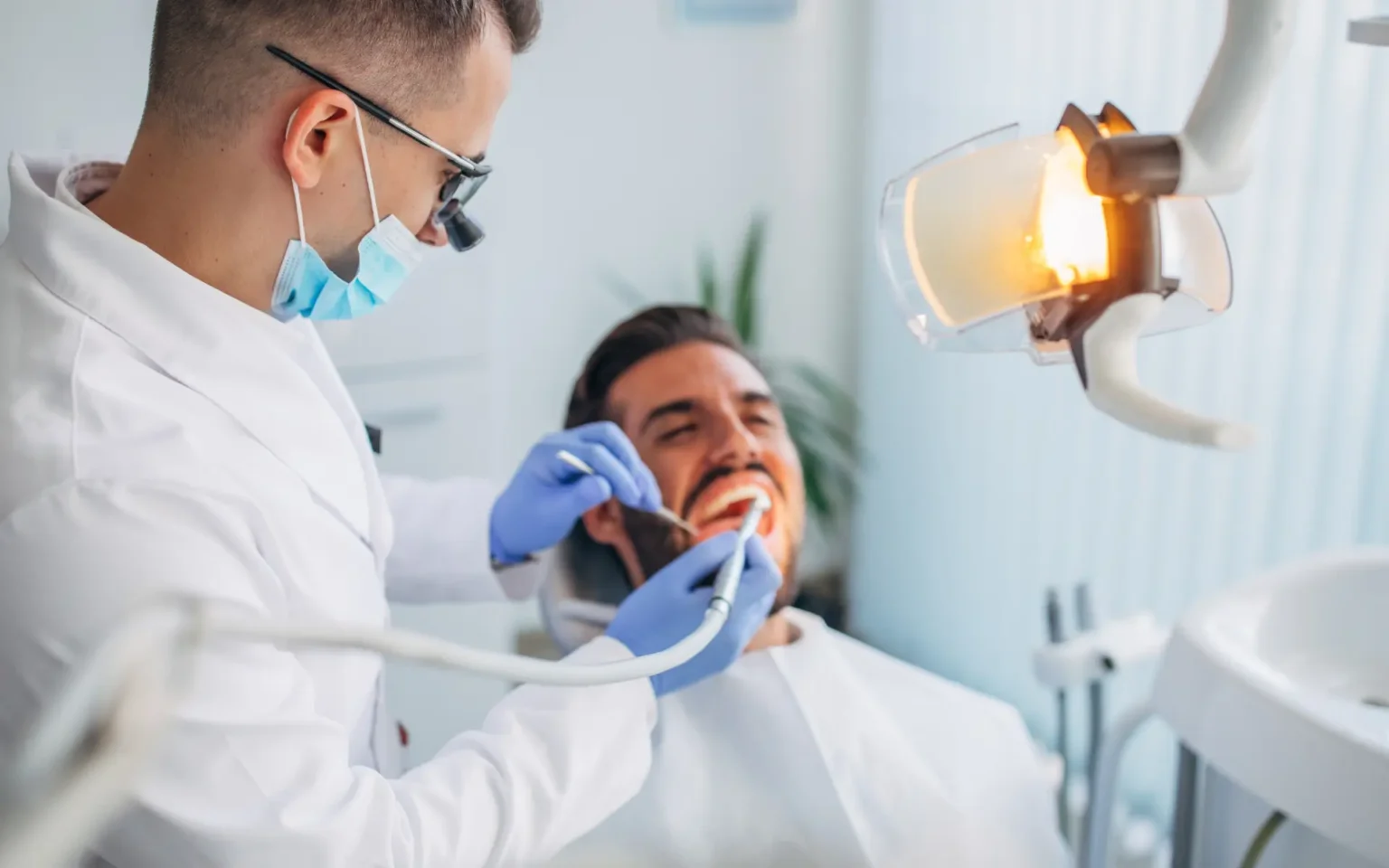
Minimal-prep veneers have become one of the most discussed cosmetic dental treatments in the capital. Patients are increasingly looking for subtle, conservative ways to improve their smiles without committing to extensive drilling or irreversible procedures. In practices across Harley Street, Marylebone and beyond, clinicians report growing demand from professionals who want noticeable improvement with minimal disruption to their natural tooth structure.
Unlike traditional veneers, which typically require more significant enamel reduction, minimal-prep veneers are designed to preserve as much of the original tooth as possible. This appeals to patients who are cautious about permanent alteration but still want to address concerns such as discolouration, mild crowding, uneven edges or small gaps. The treatment has therefore become a frequent point of enquiry for those researching veneers London options and seeking clarity before attending a consultation.
Dr. Sahil Patel of MaryleboneSmileClinic explains that case selection is crucial. “Minimal-prep veneers in London are not about cutting corners; they are about careful planning and respecting natural tooth structure. In suitable cases, we can enhance shape, symmetry and shade with very light preparation or sometimes none at all. Patients should review verified case examples and discuss expectations thoroughly before proceeding. For more information about suitability, you can visit this site and arrange a detailed assessment.” His advice reflects a broader emphasis among London specialists on measured, evidence-based decision-making rather than quick cosmetic fixes.
Question 1 & 2: What Exactly Are Minimal-Prep Veneers and How Do They Differ?
Minimal-prep veneers are extremely thin shells that are attached to the front of the teeth and are typically composed of high-strength ceramic or sophisticated porcelain. The restricted enamel loss, which can occasionally be as small as 0.2 to 0.5 millimeters, is the distinguishing characteristic. In certain situations, preparation may be minimal, especially when teeth are slightly retracted.
Traditional veneers often require greater enamel reduction to create space for the material and to ensure a natural profile. While both approaches aim to improve aesthetics, minimal-prep techniques prioritise conservation. This matters because enamel does not regenerate; preserving it supports long-term dental health and reduces sensitivity risks.
However, minimal-prep does not mean “no planning.” Digital smile design, photographs, and diagnostic wax-ups are commonly used in London clinics to map out the expected outcome. Dentists assess bite alignment, gum levels and tooth proportions before recommending treatment. Patients with heavily rotated teeth, severe discolouration, or significant structural damage may not be ideal candidates and could require alternative solutions.
The difference also lies in reversibility. While no veneer treatment is entirely reversible once bonded, minimal-prep approaches can sometimes allow for future modifications with less impact on the underlying tooth. For many London patients balancing aesthetics with caution, this distinction is central to their decision-making.
Question 3 & 4: Are Minimal-Prep Veneers Suitable for Everyone and How Long Do They Last?
Suitability depends on clinical factors rather than trends. Minimal-prep veneers work best for patients with generally healthy teeth and gums, minor alignment issues, and sufficient enamel for bonding. Those with active gum disease, untreated decay or severe bite problems will usually need preliminary treatment first. A comprehensive assessment is therefore essential before committing to any cosmetic plan.
Lifestyle habits also influence candidacy. Individuals who grind their teeth heavily, for example, may place excessive pressure on thin ceramic restorations. In such cases, protective night guards are often recommended to prolong lifespan and protect the investment.
In terms of longevity, minimal-prep veneers can last ten to fifteen years or more when well maintained. Advances in adhesive technology and ceramic strength have significantly improved durability. However, they are not immune to wear, chipping or staining at the margins over time. Regular dental check-ups, hygienist appointments and careful home care play a decisive role in maintaining results.
Patients exploring veneers London clinics often ask whether thinner veneers are more fragile. Specialists generally clarify that when correctly indicated and bonded, minimal-prep veneers are designed to withstand normal biting forces. The key variable is not thickness alone but proper planning, precise bonding and appropriate aftercare.
Question 5 & 6: What Is the Procedure Like and Is It Painful?
The treatment journey typically begins with consultation and digital imaging. Dentists assess facial proportions, lip movement and tooth display when smiling and speaking. Impressions or digital scans are then used to create a mock-up, allowing patients to visualise potential results before any permanent changes are made.
If minimal preparation is required, it is usually carried out under local anaesthetic. Because enamel reduction is limited, discomfort tends to be mild. Many patients report that the process feels similar to having a small filling placed. Temporary veneers may be fitted while the final restorations are crafted in a dental laboratory.
Once ready, the veneers are tried in to assess shade and fit. Bonding involves carefully preparing the tooth surface, applying adhesive and securing the veneer with light-cured resin cement. The precision of this stage is critical to long-term success.
Post-procedure sensitivity is generally short-lived. Most individuals return to work the same or following day. Dentists advise avoiding excessively hard foods initially and maintaining good oral hygiene. Compared with more invasive restorative treatments, minimal-prep veneers are often viewed as a relatively comfortable cosmetic option, provided expectations are realistic and clinical standards are high.
Question 7: How Much Do Minimal-Prep Veneers Cost in London?
Cost varies depending on the complexity of the case, the number of teeth treated and the expertise of the clinician and laboratory. In London, fees for minimal-prep porcelain veneers commonly range from several hundred to over a thousand pounds per tooth. While this may seem significant, pricing reflects detailed planning, high-quality materials and laboratory craftsmanship.
It is important for patients to understand what is included in the quoted fee. Comprehensive consultations, diagnostic mock-ups, temporary restorations and follow-up reviews can influence overall cost. Cheaper alternatives may compromise on materials or laboratory standards, potentially affecting longevity and aesthetics.
When researching veneers London providers, patients are encouraged to focus not solely on price but on transparency and documented outcomes. Reputable clinics provide clear treatment plans outlining each stage and associated fees. Finance options are often available, allowing treatment to be spread over manageable instalments.
Long-term value should also be considered. Well-executed minimal-prep veneers can enhance confidence and professional presence for many years. Conversely, poorly planned treatment may require corrective work, increasing overall expense. An informed discussion about cost, risks and expected lifespan forms part of responsible cosmetic care.
Question 8: How Should Patients Care for Minimal-Prep Veneers?
Caring for minimal-prep veneers is similar to maintaining natural teeth, though with added attention to detail. Daily brushing with a non-abrasive fluoride toothpaste and cleaning between teeth with floss or interdental brushes helps prevent gum inflammation and decay around veneer margins. Although porcelain resists staining, surrounding natural teeth can still discolour, so balanced dietary habits remain important.
Regular professional cleaning is essential. Hygienists use appropriate instruments that protect the ceramic surface while removing plaque and calculus. Patients should inform any new dentist about their veneers to ensure suitable techniques are used.
Habits such as biting fingernails, opening packaging with teeth or chewing ice can increase the risk of chipping. For those who grind their teeth at night, a custom-made guard offers protection. If a veneer becomes loose or damaged, prompt assessment is necessary; delaying review may compromise the underlying tooth.
Ultimately, minimal-prep veneers are not a shortcut to oral health but an enhancement layered onto it. Their success depends on healthy foundations, realistic expectations and ongoing maintenance. By asking informed questions and seeking careful assessment, London patients can decide whether this conservative cosmetic approach aligns with their long-term dental goals.