A Tanzania safari wardrobe should keep you comfortable in changing temperatures, help you blend into natural surroundings, and stay practical for dusty roads, early game drives, bush walks, lodge time, and light aircraft transfers. The best approach is to pack versatile travel clothing in neutral colors, breathable fabrics, and easy layers rather than bulky outfits you will only wear once. This guide explains the safari apparel, footwear, accessories, and packing choices that make the biggest difference, This guide explains the safari apparel, footwear, accessories, and packing choices that make the biggest difference, whether you are planning a classic adventure or a Luxury Tanzania Safari.
What should you wear on a Tanzania safari?
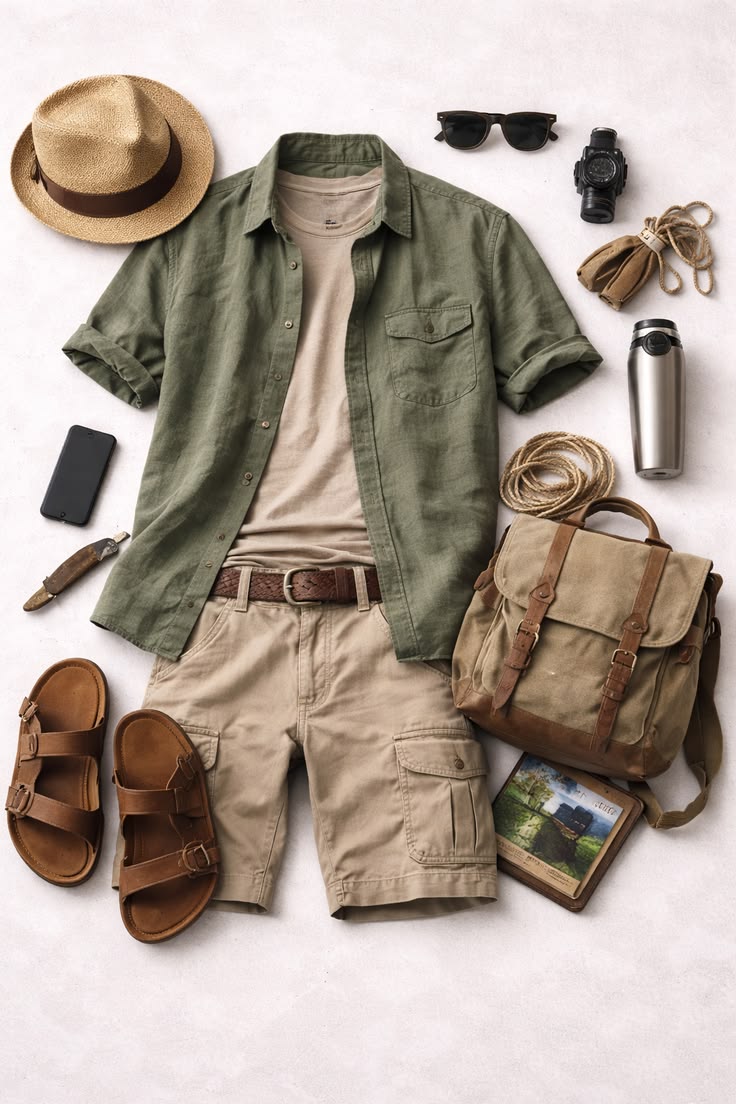
Wear lightweight, breathable, neutral-colored clothing that can be layered for cool mornings, warm afternoons, and chilly evenings. Good Tanzania safari clothing usually includes long-sleeve shirts, comfortable trousers, a warm fleece or light jacket, supportive closed-toe shoes, a wide-brim hat, and simple evening wear for camp or lodge dining. Choose practical outdoor wear over fashion-first pieces, but keep your outfits neat enough for upscale lodges if your itinerary includes luxury camps.
The key is balance. You need protection from sun, dust, insects, and brush, but you also need clothing that feels comfortable during long hours in a safari vehicle. Most travelers do not need heavy expedition clothing unless their itinerary includes more demanding hiking or high-altitude activities, but safari gear should still be durable, packable, and easy to re-wear.
Tanzania safari conditions shape your clothing choices
Tanzania is not one single climate experience. A safari can include the Serengeti plains, Ngorongoro highlands, Tarangire woodlands, Lake Manyara’s greener landscapes, and optional beach time in Zanzibar. Your clothing has to work across shifting temperatures, dusty tracks, bright sun, and occasional rain.
Morning game drives can feel surprisingly cold, especially in open vehicles or higher-elevation areas. By late morning, the same outfit may feel too warm if you packed heavy layers instead of breathable ones. This is why layering is the foundation of smart safari apparel: you can start the day with a base layer, fleece, and wind-resistant jacket, then remove pieces as the sun rises.
Dust is another major consideration. Light-colored clothing looks fresh in photos, but very pale fabrics can show dust quickly. Mid-tone khaki, olive, stone, tan, and muted brown are more forgiving. These tones also fit naturally into the landscape, which is useful for wildlife clothing because bright colors can feel visually loud in the bush.
The best colors and fabrics for safari apparel
Neutral colors are popular for a reason. They are practical, camera-friendly, and well suited to wildlife viewing. Aim for earth tones rather than stark white, neon shades, or glossy fashion fabrics. Black and dark blue can absorb heat and may attract certain biting flies in some bush areas, so they are best used sparingly.
Fabric choice matters as much as color. Safari days often involve sitting for long periods, climbing in and out of vehicles, walking short distances around camp, and dealing with sweat or dust. Your travel clothing should move with you and dry quickly after washing.
Recommended colors
- Khaki and tan: Classic safari tones that hide dust better than white.
- Olive and sage: Good for blending into woodland and grassland environments.
- Stone and beige: Light enough for heat, but softer than bright white.
- Muted brown or rust: Practical for dusty conditions and evening wear.
- Soft gray: Useful as a neutral, especially for lodge layers.
Fabrics that work well
- Cotton blends: Comfortable and breathable, especially when mixed with quick-dry fibers.
- Linen blends: Cool and stylish, though they wrinkle easily.
- Technical synthetics: Lightweight, fast-drying, and practical for repeat wear.
- Merino wool: Excellent for base layers because it regulates temperature and resists odor.
- Ripstop or stretch fabrics: Useful for trousers and shirts that need durability without stiffness.
Avoid overly delicate fabrics, tight denim for game drives, heavy knits, and anything that cannot handle dust. A safari is not the place for clothing that needs special care after one wear.
Essential clothing for game drives
Game drives are the heart of most Tanzania safari itineraries, so build your packing list around them. You will spend hours seated, often with cameras, binoculars, and a daypack nearby. Comfort, quiet fabrics, sun protection, and layering are more important than a polished outfit.
For tops, bring long-sleeve button-down shirts, breathable T-shirts, or lightweight sun hoodies. Long sleeves protect against sun and insects while still keeping you cool if the fabric is light. Shirts with roll-up sleeves are especially useful because they adapt throughout the day.
For bottoms, choose trousers or convertible pants with a comfortable waistband. Stretch helps when you are sitting in a vehicle for hours. Shorts can be useful in warmer areas, but long trousers are better for early mornings, bush walks, and insect protection.
Game drive clothing checklist
- 3–5 breathable safari shirts, including at least two long-sleeve options
- 2–3 pairs of comfortable safari trousers or technical pants
- 1 pair of shorts for warm afternoons or lodge time
- 1 warm fleece, sweater, or insulated mid-layer
- 1 lightweight windbreaker or packable jacket
- 1 wide-brim hat or cap with sun coverage
- 1 scarf, buff, or light wrap for dust and cool air
- Sunglasses with reliable UV protection
- Comfortable socks that do not bunch inside shoes
If you are packing for a Luxury Tanzania safari, you can still keep the same practical foundation. The difference is in fit and finish: tailored linen-blend shirts, clean neutral trousers, a soft wrap, and a smart jacket can look polished at camp while remaining functional in the vehicle.
What footwear is best for Tanzania safari travel?
The best safari footwear is comfortable, closed-toe, and already broken in before you travel. Most travelers do not need heavy mountaineering boots for standard game drives, but they do need shoes that protect their feet from dust, stones, uneven paths, and nighttime walks around camp. A lightweight hiking shoe, trail shoe, or sturdy walking shoe is often the most versatile choice.
If your itinerary includes guided bush walks, walking safaris, or time in rugged areas, choose footwear with more grip and ankle support. If your safari is vehicle-focused, a breathable trail shoe may be easier to wear all day. Avoid brand-new boots, slippery sandals for camp paths, and open shoes during activities where thorns, insects, or rough ground may be an issue.
Pack one pair of main safari shoes and one lighter pair for lodge or camp. Simple sandals or slip-ons are useful for relaxing, showering in some camps, or walking between your tent and the lounge area. Keep them understated and easy to clean.
Layers for mornings, evenings, and highland areas
Many first-time safari travelers underestimate how cold a Tanzania morning can feel. Before sunrise, an open-sided or pop-top vehicle may be breezy, and highland areas can be cool even when lower plains warm up later. Layers let you enjoy the drive instead of shivering through the best wildlife hours.
Start with a breathable base layer or T-shirt, add a long-sleeve shirt, then wear a fleece, light puffer, or softshell jacket. A scarf or buff can make a major difference because it protects your neck from cold air and dust. Gloves are not essential for every traveler, but thin gloves can be useful if you get cold easily or plan very early starts.
Evening temperatures vary by region and season, but you will usually want a warm layer after sunset. Camps and lodges often have relaxed dining settings, so a neat fleece, shawl, or casual jacket works well. The goal is to be comfortable without packing a separate wardrobe for every moment.
Sun, insect, and dust protection
Safari clothing is also protective gear. Tanzania’s sun can be intense, and game drives often mean hours of exposure. A wide-brim hat, long sleeves, sunglasses, and breathable coverage are more reliable than relying on sunscreen alone.
For insects, cover exposed skin during dawn and dusk. Long trousers, long sleeves, and socks are simple but effective additions to your wildlife clothing strategy. Some travelers choose insect-repellent-treated clothing, but even untreated tightly woven fabrics can help reduce bites when paired with repellent.
Dust protection is equally practical. A buff, lightweight scarf, or bandana can cover your nose and mouth on dry tracks. It also protects camera straps from rubbing your neck and adds warmth in the morning. Choose one that is easy to wash and neutral enough to wear daily.
Clothing for lodges, camps, and luxury safari settings
Safari evenings are usually relaxed, not formal. Even at luxury lodges, the atmosphere tends to be elegant but practical. You do not need cocktail wear, heels, or a suitcase of dinner outfits. Instead, pack clean, comfortable clothing that feels slightly more refined than your game drive outfit.
For women, this might mean a linen shirt dress, soft trousers with a blouse, a wrap, or a simple jumpsuit in a neutral shade. For men, lightweight chinos, a collared shirt, or a neat pullover work well. For any traveler, the best lodge outfit is something that can survive a little dust but still feels fresh after a shower.
Keep footwear practical at night. Paths may be uneven, and some camps escort guests after dark because wildlife can move through the area. Flat shoes, loafers, or clean sandals are far better than heels or slippery soles.
Clothing choices for cultural visits and transit days
Some Tanzania itineraries include village visits, markets, towns, or community experiences. In these settings, modest, respectful travel clothing is a smart choice. Covered shoulders, longer skirts or trousers, and non-revealing tops are generally more appropriate than beachwear or very short shorts.
Transit days also call for comfort. You may be moving between airports, small airstrips, safari vehicles, and lodges. Wear breathable layers, supportive shoes, and clothing that handles both warm tarmac and cooler aircraft cabins. If your route includes a light aircraft transfer, packing light matters because luggage limits can be stricter than on international flights.
How much safari gear should you pack?
Pack less than you think, but make every item earn its place. A Tanzania safari often involves luggage restrictions, especially if you use small aircraft, and soft-sided bags are commonly easier to manage than hard suitcases. Since many camps and lodges offer laundry service, you can repeat outfits instead of bringing a new set for every day.
A practical packing rhythm is to bring enough clothing for three to four days, then rely on re-wearing and laundry where available. Quick-dry fabrics help because they can be washed and ready again sooner. Avoid overpacking “just in case” items that only work for one setting.
Sample seven-day safari packing list
- 4 long-sleeve or roll-sleeve safari shirts
- 2 breathable T-shirts or base layers
- 2 pairs of safari trousers
- 1 pair of shorts or a casual skirt for camp
- 1 fleece or warm sweater
- 1 lightweight jacket or windbreaker
- 1 smart casual outfit for lodge evenings
- 1 set of sleepwear
- 7 pairs of underwear
- 4–6 pairs of socks
- 1 pair of trail shoes or lightweight hiking shoes
- 1 pair of camp sandals or slip-ons
- 1 hat, sunglasses, and buff or scarf
- Swimwear if your lodge has a pool
This list can be adjusted for longer trips by adding laundry time rather than doubling the quantity. If your safari includes Zanzibar, add beachwear, sandals, and lighter resort clothing, but keep it separate from your bush-focused safari gear.
Items to avoid on a Tanzania safari
Packing well is partly about knowing what not to bring. The wrong clothing can take up space, feel uncomfortable, or look out of place in the bush. Safari style is not about costume; it is about practical outdoor wear that supports the experience.
Avoid bright neon colors, shiny fabrics, and loud patterns for game drives. They are not ideal for the natural setting and can dominate your photos. White can look crisp at the start of the day, but it shows dust quickly and may become impractical.
Heavy jeans are another common mistake. Denim takes longer to dry, can feel restrictive in a vehicle, and is not always comfortable in heat. Also be cautious with camouflage-style clothing, which can be associated with military uniforms in some places and is rarely necessary for travelers.
Quick “leave at home” list
- High heels or delicate dress shoes
- Heavy suitcases if light aircraft transfers are involved
- Bulky coats unless your itinerary specifically requires them
- Formal eveningwear
- Expensive jewelry or flashy accessories
- Very bright game drive outfits
- New boots that have not been broken in
- Clothing that needs dry cleaning or careful ironing
Smart accessories that improve comfort
Accessories can make a safari much easier without adding much weight. A small daypack keeps your essentials close during game drives: camera gear, sunscreen, lip balm, a refillable water bottle, tissues, and an extra layer. Choose one that closes securely so dust does not settle over everything.
A hat is essential. A wide brim offers the best sun coverage, while a cap may be easier in windy conditions. If you choose a brimmed hat, make sure it fits securely or has a chin cord.
A lightweight scarf, buff, or wrap may become one of your most-used items. It works as dust protection, sun coverage, warmth, and a modest cover during cultural stops. This is the kind of simple expedition clothing accessory that performs multiple jobs without taking up space.
Dressing for photography and wildlife viewing
If photography matters to you, clothing still plays a role. Neutral tones keep attention on the landscape and wildlife rather than your outfit. They also look timeless in photos, especially against golden grass, acacia trees, and dramatic skies.
Comfort affects patience, and patience affects wildlife viewing. If you are cold, sunburned, bitten, or distracted by tight clothing, it is harder to stay present during long sightings. The best safari apparel helps you forget what you are wearing so you can focus on the animals, guides, and scenery.
Choose quiet fabrics if you will be walking or moving around wildlife. Crisp, noisy materials can be irritating in close quarters and less ideal for nature experiences. Soft, breathable, matte fabrics are usually the safest choice.
A simple outfit formula for each safari day
A reliable daily formula removes guesswork. Start with breathable underwear and socks, add safari trousers and a lightweight shirt, then carry a fleece and jacket for the morning. Finish with closed-toe shoes, sunglasses, a hat, and a buff or scarf.
For midday lodge time, switch into lighter casual wear if you return to camp between drives. For evening, put on clean trousers or a simple dress, add a warm layer, and keep shoes practical. This repeatable system lets you pack fewer items while still feeling prepared for each part of the day.
Final pre-trip clothing check
Before you zip your bag, ask yourself:
- Can I layer this outfit from cool dawn to warm afternoon?
- Are my main colors neutral and dust-friendly?
- Can I sit comfortably in these trousers for several hours?
- Are my shoes broken in and suitable for uneven ground?
- Can most items be mixed, matched, and re-worn?
- Do I have sun, insect, and dust protection covered?
- Is my luggage light enough for the way I am traveling?
If the answer is yes, your Tanzania safari clothing is likely in good shape. You do not need a perfect wardrobe to enjoy the journey, but you do need clothing that works with the environment. Pack practical pieces, keep your style simple, and leave enough room in your attention for the real reason you came: the wildlife, landscapes, and unforgettable rhythm of safari life.