



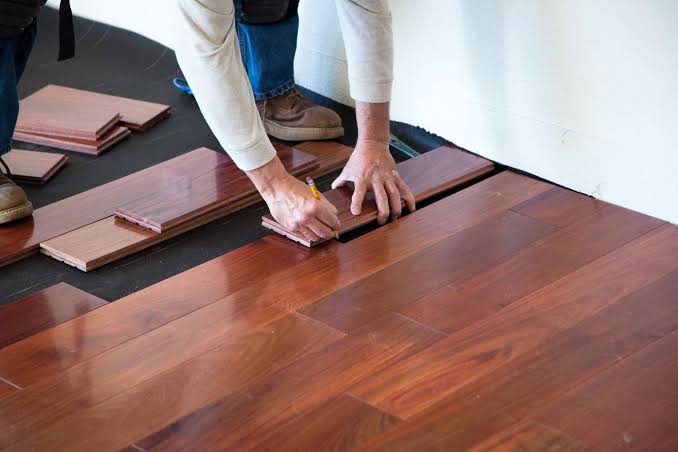
As the holiday season nears its end, homeowners often start considering improvements to enhance their living spaces for the coming year. Replacing outdated carpeting, damaged laminate, or worn flooring can significantly improve a home’s appearance and functionality. For homeowners in Tampa, FL, wood floor installation presents an opportunity to create attractive interiors while selecting materials suited to Florida’s climate and everyday household activities.
Two popular options are solid hardwood and engineered wood flooring. Although both feature genuine wood surfaces, their construction, installation requirements, and responses to environmental conditions differ. Understanding these differences can help homeowners make informed decisions before scheduling flooring improvements for December or early 2027.
What Is the Difference Between Hardwood and Engineered Wood Flooring?
Solid hardwood flooring consists of individual boards manufactured from a single piece of natural wood. Common species include oak, maple, and hickory, each offering distinctive grain patterns, colors, and hardness characteristics.
Engineered wood flooring features a genuine hardwood surface bonded to multiple supporting layers. Depending on the manufacturer, these layers may consist of plywood or other engineered wood materials designed to improve dimensional stability.
Both products provide the appearance of natural hardwood, but their construction influences installation methods, moisture tolerance, and refinishing possibilities.
Understanding Solid Hardwood Flooring
Solid hardwood has remained a popular residential flooring material because of its natural appearance and repairability. Many solid hardwood floors can be sanded and refinished several times, depending on board thickness and prior refinishing.
However, solid wood responds to changes in temperature and humidity. Excessive moisture may cause swelling or cupping, while unusually dry conditions can produce gaps between boards.
Maintaining appropriate indoor conditions is particularly important for homeowners considering solid hardwood in Florida.
Understanding Engineered Wood Flooring
Engineered wood uses a layered construction that generally provides greater dimensional stability than solid hardwood. This characteristic can make it suitable for installations where environmental conditions or substrate materials require extra consideration.
The thickness of the hardwood wear layer varies between products. Some engineered floors can be refinished, while others have limited refinishing potential.
Homeowners should compare product specifications rather than assuming every engineered wood floor offers identical performance.
Which Flooring Performs Better in Florida’s Humid Climate?
Florida’s humidity is an important consideration when selecting residential flooring. Moisture can enter a home through outdoor air, plumbing problems, concrete substrates, or inadequate climate control.
Both solid hardwood and engineered wood are susceptible to moisture damage, although their construction affects how they respond to changing conditions.
Engineered wood generally experiences less dimensional movement than solid hardwood under comparable humidity fluctuations. For this reason, it is frequently considered for Florida homes with concrete slab foundations.
However, engineered wood is not waterproof. Standing water, excessive substrate moisture, and uncontrolled indoor humidity can still damage the material.
Why Concrete Subfloors Require Special Attention
Concrete slabs are common in Tampa Bay residential construction. Although concrete provides a durable structural foundation, it can transmit moisture that affects wood flooring systems.
Before installation, evaluate the substrate using moisture testing methods appropriate for the selected flooring and installation system.
Depending on the results, additional preparation or a manufacturer-approved moisture-control system may be necessary.
Ignoring these conditions can contribute to flooring movement, adhesive problems, and premature deterioration.
How Do Hardwood and Engineered Wood Compare in Durability?
Durability depends on more than whether flooring is solid or engineered. Wood species, protective finishes, wear-layer thickness, and household activity all influence performance.
Harder wood species generally resist denting better than softer alternatives, although scratches can still occur when abrasive particles contact the finished surface.
Modern factory-applied finishes provide protection against everyday wear, but no wood flooring is completely resistant to damage.
Considering Refinishing and Future Maintenance
One advantage of solid hardwood is its potential for repeated refinishing. When the protective finish becomes worn, sanding and applying a new finish may restore the floor’s appearance.
Engineered wood refinishing depends on the thickness of its hardwood surface and the manufacturer’s recommendations.
For households with children, pets, or frequent visitors, selecting a suitable finish and establishing practical maintenance habits can be just as important as choosing between flooring constructions.
Regular sweeping, protective furniture pads, and prompt spill removal help preserve both materials.
What Installation Methods Are Available for Each Flooring Type?
Professional installation methods depend on the flooring product, substrate, and site conditions.
Solid hardwood is commonly installed using mechanical fasteners over compatible wood subfloors. Other installation systems may be possible when specifically approved by the manufacturer.
Engineered wood offers additional flexibility, with certain products designed for glue-down, floating, or nail-down installation.
Why Subfloor Preparation Matters
Before installing either flooring type, contractors must evaluate substrate flatness, cleanliness, stability, and moisture conditions.
Uneven surfaces can create movement, unwanted noises, and visible irregularities after installation. Proper preparation may involve surface repairs, leveling, or removal of unsuitable existing materials.
Wood flooring also requires appropriate expansion allowances because natural materials respond to environmental changes.
A professional flooring contractor considers these requirements before recommending an installation method.
Is the End of the Year a Good Time to Replace Flooring?
December can be a practical time to complete flooring improvements, particularly for homeowners planning interior renovations before the new year.
However, holiday schedules, material availability, and installation requirements should influence the decision.
Some flooring products require acclimation or specific indoor conditions before installation. Site-finished hardwood may also require additional time for sanding, finishing, and curing.
Homeowners should request estimates early and discuss furniture removal, access restrictions, and realistic completion dates.
Scheduling work without sufficient preparation can create unnecessary complications, especially as family gatherings approach.
Frequently Asked Questions
Is engineered wood flooring better than solid hardwood for Tampa, FL, homes?
Engineered wood is often suitable for Florida homes because its layered construction generally provides improved dimensional stability. However, the appropriate choice depends on substrate conditions, indoor humidity, product specifications, and homeowner preferences. Both flooring types can perform well when properly selected, installed, and maintained.
Can hardwood flooring be installed directly over concrete?
Certain wood flooring systems are compatible with properly prepared concrete, but installation requirements vary. Moisture testing and manufacturer-approved preparation methods are essential. Many engineered wood products offer installation options specifically designed for concrete substrates.
Which flooring lasts longer, solid hardwood or engineered wood?
Both materials can provide many years of service when properly installed and maintained. Solid hardwood often offers greater refinishing potential, while engineered wood may provide better dimensional stability. Product quality, protective finishes, environmental conditions, and maintenance practices strongly influence service life.
How much time should homeowners allow for wood floor installation?
Installation schedules depend on square footage, flooring type, substrate preparation, and finishing requirements. Smaller projects may take several days, while extensive renovations can take longer. Homeowners should request a project-specific schedule before coordinating installation with holiday activities.
Make an Informed Flooring Decision Before the New Year
Choosing between solid hardwood and engineered wood flooring requires consideration of appearance, durability, moisture conditions, installation requirements, and future maintenance. For homeowners in Tampa, FL, professional wood floor installation begins with selecting materials compatible with the home’s construction and everyday needs.
Both flooring options offer natural beauty and can improve the appearance of residential interiors. The best choice depends on the property, not a single product characteristic.
Homeowners considering a flooring renovation before the new year can consult Sun Floor Installation for professional guidance on hardwood and engineered wood flooring. Careful material selection, proper subfloor preparation, and experienced installation can help create attractive, dependable floors for years to come.