Inflammation is a fundamental biological process that occurs in response to harmful stimuli, such as pathogens, damaged cells, or irritants. It is characterized by the activation of the immune system, leading to a coordinated response that includes increased blood flow and the recruitment of immune cells to the affected area. This process is crucial for the body to repair itself and restore homeostasis. Without inflammation, infections and injuries could lead to severe health consequences.
Inflammation can be categorized into two types: acute and chronic. Acute inflammation is a short-term response that typically resolves quickly once the harmful stimulus is removed. It serves as a protective mechanism, allowing the body to heal and return to its normal state. Symptoms of acute inflammation may include redness, heat, swelling, and pain localized at the site of injury or infection.
On the other hand, chronic inflammation persists over a longer period, often months or even years. It can arise from various factors, including autoimmune diseases, persistent infections, or ongoing exposure to irritants, such as tobacco smoke or pollution. Unlike acute inflammation, chronic inflammation is not always beneficial, as it can lead to tissue damage and is associated with several health conditions such as heart disease, diabetes, arthritis, and certain cancers.
Addressing chronic inflammation is vital for overall health, and one effective approach is through dietary choices. Foods rich in anti-inflammatory properties can help mitigate the effects of chronic inflammation. By incorporating such foods into one’s daily diet, individuals can support their immune system and reduce the risk of developing conditions related to chronic inflammation. Understanding inflammation’s role in the body emphasizes the importance of dietary interventions in maintaining long-term health and well-being.
Key Anti-Inflammatory Foods
In the pursuit of better health, incorporating anti-inflammatory foods into your daily diet can significantly influence overall well-being. These foods can help reduce inflammation in the body, which is linked to various chronic diseases. Below is a categorized list of key anti-inflammatory foods, along with their health benefits.
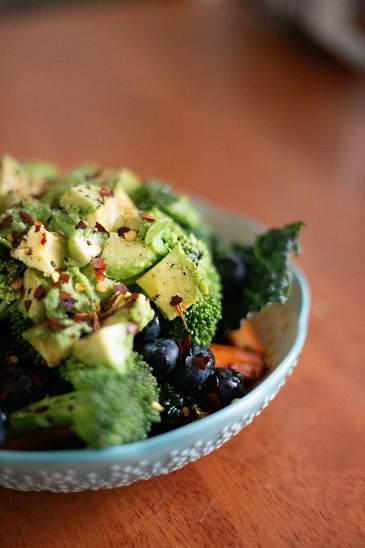
Fruits: Berries, such as blueberries, strawberries, and raspberries, are rich in antioxidants called flavonoids, which have strong anti-inflammatory effects. Avocados are another excellent choice, loaded with healthy fats and potassium, helping to lower blood pressure and support heart health.
Vegetables: Leafy greens like spinach and kale are packed with vitamins, minerals, and antioxidants. They are known for their ability to combat oxidative stress and inflammation. Cruciferous vegetables like broccoli and Brussels sprouts also contain sulforaphane, a compound that fights inflammation and can reduce the risk of chronic diseases.
Whole Grains: Whole grains such as oatmeal, brown rice, and quinoa are high in fiber, which contributes to a healthy gut and reduces inflammation. These foods are also beneficial for heart health due to their complex carbohydrates and nutrient content.
Nuts and Seeds: Almonds and walnuts are excellent sources of healthy fats, fiber, and protein. Additionally, flaxseeds and chia seeds are rich in omega-3 fatty acids, which are known to have potent anti-inflammatory properties and may aid in reducing joint pain and stiffness.
Healthy Fats: Olive oil, especially extra virgin olive oil, is a staple of the Mediterranean diet, known for its anti-inflammatory benefits. It contains oleocanthal, which has been associated with treating inflammation similar to ibuprofen. Incorporating these healthy fats can enhance overall cardiovascular health.
Overall, integrating these anti-inflammatory foods into your daily meals not only supports a balanced diet but also promotes a healthier lifestyle by potentially reducing the risk of inflammation-related diseases.
Incorporating Anti-Inflammatory Foods into Your Daily Diet
Incorporating anti-inflammatory foods into your daily meals is a practical way to enhance your overall health and well-being. To begin, consider filling your plate with a variety of colorful fruits and vegetables, such as strawberries, blueberries, kale, and beets, which are known for their high antioxidant content. Aim to include at least five different colors on your plate, which ensures a wide spectrum of nutrients and helps fight inflammation.
Whole grains, such as quinoa, brown rice, and barley are another excellent choice. They are not only hearty and satisfying but are also rich in fiber, which can contribute to a healthy gut microbiome, further supporting your body’s fight against inflammation. Additionally, consider substituting refined grains for whole grains in your meal preparations.
Healthy fats should take precedence in your diet. Incorporate olive oil and avocados into your meals, as these fats are anti-inflammatory and beneficial for heart health. You might use olive oil as a dressing for a fresh salad or drizzle it over roasted vegetables. Additionally, try to include fatty fish, such as salmon or mackerel, at least twice a week. These fish are rich in omega-3 fatty acids, which are known for their powerful anti-inflammatory properties.
When it comes to meal preparation, consider batch cooking to streamline your process. Prepare grains and roasted vegetables in advance; this prepares you for quick meal assembly throughout the week. Additionally, challenge yourself to experiment with herbs and spices like turmeric, ginger, and garlic, as they are not only flavorful but also have impressive anti-inflammatory benefits.
In conclusion, building meals around anti-inflammatory foods not only supports your physical health but also contributes to a more enjoyable eating experience. Simple adjustments can pave the way for a healthier diet that emphasizes the benefits of these vibrant, nutrient-rich foods.
Additional Lifestyle Factors to Combat Inflammation
A holistic approach to managing inflammation transcends dietary measures alone. Incorporating a range of lifestyle factors can significantly influence inflammation levels and promote overall health. One of the most impactful factors is physical activity. Regular exercise has been shown to reduce inflammation by decreasing the levels of inflammatory markers in the body. Engaging in activities that is enjoyable, such as walking, swimming, or cycling, not only benefits physical health but can also enhance emotional well-being, further reducing stress-related inflammation.
Sleep quality is another critical component in the fight against inflammation. Insufficient sleep or poor sleep quality can elevate inflammatory markers. Prioritizing restorative sleep is essential; thus, creating a conducive sleep environment and establishing a consistent sleep schedule can improve overall health and help in regulating inflammatory responses.
Stress management is equally vital in combating inflammation. Prolonged stress can trigger the release of cortisol and other inflammatory substances, leading to chronic inflammation. Techniques such as mindfulness, meditation, yoga, and deep-breathing exercises can help lower stress levels, thereby minimizing inflammation in the body.
Hydration is another often-overlooked factor in managing inflammation. Adequate fluid intake is crucial for maintaining optimal bodily function and flushing out toxins that can contribute to inflammation. It is advisable to consume water regularly throughout the day and to include hydrating foods like cucumbers and oranges in one’s diet.
By integrating these lifestyle factors—exercise, quality sleep, effective stress management, and proper hydration—into your daily routine, you can create a holistic strategy that effectively combats inflammation while promoting overall health and well-being.