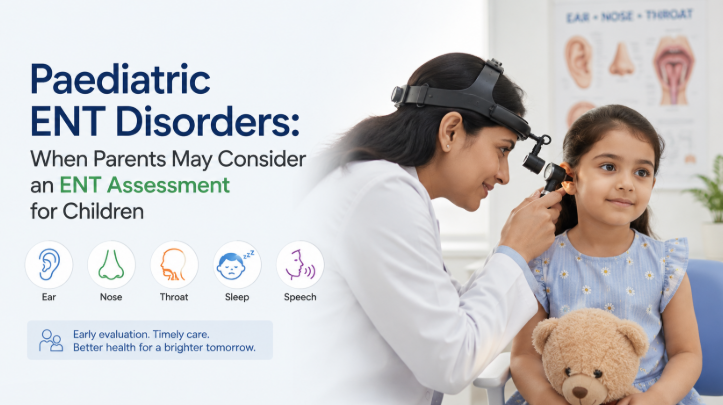
Children commonly experience ear, nose, and throat symptoms as part of their growth and exposure to infections. While many of these conditions may improve over time, recurring or persistent symptoms may sometimes indicate underlying paediatric ENT disorders that require further evaluation.
In Singapore, factors such as frequent viral infections in school settings, environmental allergens, and structural differences in a child’s airway may contribute to ongoing ENT-related concerns. When symptoms begin to affect sleep, learning, speech development, appetite, or daily comfort, parents may consider seeking assessment at an ENT Clinic in Singapore for further evaluation of their child’s condition.
Early attention to symptoms may help in understanding whether they are part of normal childhood illness patterns or require further medical review.
Understanding Paediatric ENT Disorders
Paediatric ENT disorders refer to conditions affecting the ear, nose, and throat in infants, toddlers, and school-aged children. These conditions may vary in severity and frequency depending on the child’s environment and health history.
Recurring Tonsillitis in Children
Tonsillitis is inflammation of the tonsils, often caused by viral or bacterial infections. Some children may experience repeated episodes over time.
Common Signs of Tonsillitis
- Sore throat
- Difficulty swallowing
- Fever
- Swollen tonsils
- Reduced appetite
Frequent episodes may affect school attendance, sleep quality, and daily comfort. In some cases, repeated inflammation may cause enlarged tonsils, which can contribute to breathing difficulties during sleep or swallowing discomfort.
Children who experience multiple episodes within a short period may require further evaluation to understand infection patterns and contributing factors.
Snoring in Children
Snoring in children may occur occasionally, especially during colds or nasal congestion. However, persistent snoring may indicate airway obstruction.
Possible Contributing Factors
- Enlarged tonsils or adenoids
- Nasal blockage
- Allergic rhinitis
- Upper airway narrowing
Persistent snoring may also affect sleep quality, which can influence daytime energy levels, behaviour, and concentration in school. Some children may appear tired during the day or have difficulty focusing on tasks.
In certain cases, mouth breathing during sleep may also be observed, especially when nasal airflow is reduced.
Ear Infections in Children
Ear infections are common in childhood due to the structure of the developing ear and exposure to respiratory infections.
Common Symptoms of Ear Infections
- Ear pain or discomfort
- Tugging at the ear
- Fever
- Fluid discharge from the ear
- Temporary hearing difficulty
Repeated ear infections may lead to temporary hearing changes, especially when fluid accumulates in the middle ear. This may sometimes affect speech clarity or response to sound if infections occur frequently.
Speech and Hearing Concerns
Hearing plays a key role in speech and language development. Any condition affecting hearing during early childhood may influence communication skills.
Possible Signs to Observe
- Delayed speech development
- Difficulty responding to sounds
- Speaking louder than usual
- Lack of clarity in speech
Children who experience repeated ear infections or persistent fluid in the middle ear may have temporary hearing difficulties that can affect speech clarity and language learning.
Early observation of these signs may help parents decide whether further assessment is needed.
Nasal Congestion in Children
Nasal congestion is common in children due to frequent colds and allergies. However, persistent blockage may affect breathing, sleep, and feeding in younger children.
Possible Causes of Ongoing Nasal Blockage
- Allergies
- Enlarged adenoids
- Recurrent infections
- Environmental irritants
Children with long-term nasal congestion may breathe through the mouth, particularly during sleep. This may also be associated with snoring or restless sleep patterns.
When Parents May Consider ENT Assessment
Parents may consider further evaluation if a child experiences:
Persistent or Recurrent Symptoms
- Repeated ear infections
- Ongoing nasal congestion
- Frequent sore throat episodes
Sleep-Related Concerns
- Regular snoring
- Restless sleep
- Mouth breathing during sleep
Speech or Hearing Concerns
- Delayed speech development
- Difficulty hearing or responding
ENT Assessment for Children
Assessment at an ENT clinic may involve a detailed review of symptoms, medical history, and examination of the ear, nose, and throat.
Common Evaluation Methods
- Physical examination
- Hearing tests when needed
- Nasal and throat assessment
- Review of infection history
In some cases, additional investigations may be suggested depending on symptom severity and frequency.
These assessments help identify possible causes of persistent symptoms and guide appropriate management planning based on the child’s condition.
ENT Treatment in Singapore for Children
Management approaches depend on the underlying condition and symptom severity. Individuals seeking ENT treatment in Singapore for paediatric ENT disorders may be advised on options such as:
Medication
Used to manage infections, inflammation, or allergy-related symptoms.
Allergy Management
May help reduce triggers contributing to nasal congestion and recurring symptoms.
Monitoring
Some conditions may improve over time and may only require regular observation.
Procedural Options
In selected cases, procedures may be discussed depending on the child’s condition and medical assessment.
Supporting Children’s ENT Health
Parents may support ENT health in children through simple daily habits.
Helpful Practices
- Encouraging good hygiene habits
- Managing allergy triggers where possible
- Ensuring adequate rest and hydration
- Seeking timely medical attention for recurring symptoms
Creating a supportive environment may help reduce triggers that contribute to recurring ENT symptoms.
Frequently Asked Questions
Is snoring normal in children?
Occasional snoring may happen, especially during colds, but persistent snoring may require further assessment.
Can ear infections affect hearing?
Temporary hearing changes may occur during infections, especially if fluid builds up in the middle ear.
Do children outgrow ENT problems?
Some children may improve as they grow, while others may require evaluation if symptoms persist or recur.
Paediatric ENT disorders may affect a child’s comfort, sleep quality, communication, and overall development. While some symptoms may be temporary, recurring or persistent issues may require further evaluation to understand underlying causes.
When symptoms such as repeated infections, snoring, nasal congestion, or hearing concerns are observed, parents may consider seeking assessment at an ENT clinic in Singapore for structured evaluation and guidance on appropriate next steps.