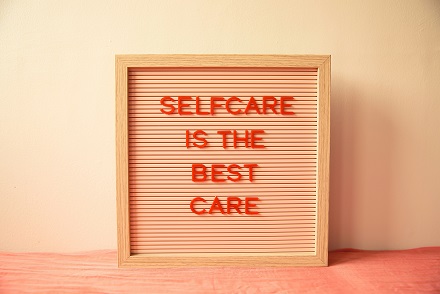
Mental health is an essential component of overall well-being, encompassing emotional, psychological, and social aspects that affect how individuals think, feel, and act. It influences how people cope with stress, relate to others, and make decisions. Maintaining good mental health is crucial, as it contributes to the ability to lead a fulfilling and balanced life. This includes recognizing the value of self-care as a proactive strategy for managing mental health.
Self-care refers to the deliberate actions individuals take to enhance their own well-being and quality of life. It involves engaging in activities that promote physical, emotional, and mental health. By prioritizing self-care, individuals can significantly improve their mental outlook and resilience. Practicing self-care may include a variety of activities, such as exercising, meditating, journaling, and maintaining social connections. Each of these activities contributes uniquely to one’s mental health.
The psychological benefits of self-care are profound. Engaging in meaningful self-care practices can reduce symptoms of anxiety and depression, leading to improved mood and emotional regulation. Physiologically, self-care can lead to better sleep, enhanced physical health, and increased energy levels, which in turn fosters a positive feedback loop that benefits mental health. Additionally, self-care practices build resilience, or the ability to bounce back from challenges. When individuals consistently engage in self-care, they develop coping strategies that help them navigate stress and adversity more effectively.
Ultimately, the connection between mental health and self-care is clear: by investing time in self-care practices, individuals can nurture their mental health, fostering a healthier and more resilient lifestyle.
Practical Self-Care Ideas for Everyday Life
Integrating self-care into daily routines is essential for maintaining mental well-being. Many people struggle to find time to prioritize themselves, but with the right strategies, it can become an effortless part of their day. Here are several practical self-care ideas that cater to physical, emotional, and social needs.
One effective way to incorporate self-care is through mindfulness practices. Taking just a few minutes daily for deep breathing exercises or meditation can significantly reduce stress and improve emotional resilience. Find a quiet spot, set a timer for five to ten minutes, and focus on your breath. Apps such as Headspace or Calm can provide guidance and structure for those new to mindfulness.
Exercise is another critical aspect of self-care. Engaging in physical activity is not only beneficial for physical health but also lifts mood and reduces anxiety. Try to commit to at least 30 minutes of exercise three to five times a week. This doesn’t solely mean hitting the gym; a brisk walk during lunch or participating in a dance class can be invigorating and refreshing.
Additionally, nurturing hobbies can enhance overall happiness. Whether it’s painting, gardening, or reading, allocate time each week to engage in a passion project. Doing something enjoyable can ignite creativity and provide a sense of accomplishment.
Maintaining social connections is equally vital. Set aside time weekly to catch up with friends or family, whether it’s a phone call or a coffee date. Building a support network helps in managing stress and can foster a greater sense of belonging.
By embedding these simple yet effective self-care practices into daily life, individuals can cultivate a healthier mental state, leading to improved overall well-being. Each small action contributes to a larger picture of self-care and wellness.
Creating a Sustainable Self-Care Routine
Establishing a sustainable self-care routine is essential for maintaining mental health and overall well-being. To begin, it is crucial to set realistic goals that are tailored to individual needs and preferences. Consider what aspects of self-care resonate with you personally, whether it be physical fitness, mindfulness practices, or engaging in creative hobbies. Avoid overwhelming yourself by integrating small, manageable goals into your routine. This allows for gradual progress while reducing the risk of burnout.
Scheduling time for self-care is another vital component when developing your routine. Allocating specific times within your daily or weekly calendar can ensure that self-care becomes a priority rather than an afterthought. Treat these scheduled self-care moments with the same importance as any other appointment. Whether it is a short daily meditation, a weekly yoga class, or simply enjoying a leisurely walk outdoors, designating time for these activities enhances consistency and fosters a healthier mindset.
Moreover, it’s important to remain flexible and open to modifying your practices as needed. Life circumstances can change, and what may have worked previously may require adaptation. Regular self-reflection through journaling or mindfulness meditation can aid in identifying which self-care practices yield positive effects on your mental health. Assessing your emotional and psychological state periodically will guide you in adjusting your routine to better serve your needs.
In conclusion, creating a sustainable self-care routine involves a thoughtful approach of setting realistic goals, scheduling self-care time, and being willing to adapt your practices. The process of self-reflection and regular assessments leads to a more personalized approach that effectively supports mental health over the long term.
Overcoming Barriers to Self-Care
Prioritizing mental health self-care can often be overshadowed by various barriers that individuals frequently encounter. Among the most common of these barriers are time constraints, feelings of guilt, and pervasive misinformation regarding self-care practices. Understanding these obstacles is the first step in learning to navigate them effectively.
Time constraints often leave individuals feeling overwhelmed, making it difficult to carve out necessary moments for self-care. To address this challenge, it is essential to start with small, manageable actions. Time management strategies, such as scheduling self-care sessions on calendars as essential appointments, can act as reminders of their importance. Additionally, integrating self-care into daily routines can lead to consistent practice without the added burden of creating separate time slots.
Feelings of guilt can further complicate the pursuit of self-care. Many people feel that taking time for themselves is selfish or unproductive. To combat this mindset, it is crucial to recognize the positive impact that self-care has on overall well-being and productivity. Engaging in regular self-care fosters resilience, enabling individuals to better support others and fulfill their responsibilities. A shift in mindset, viewing self-care not as indulgence but as a necessity, can pave the way towards embracing these practices.
Misinformation about what self-care entails can also hinder individuals from engaging in effective strategies. Common misconceptions may suggest self-care is limited to spa treatments or luxurious escapes. In reality, self-care encompasses a broad range of activities, including simple acts such as mindful breathing, journaling, or reaching out to friends. Educating oneself and accessing reliable resources can further empower individuals to explore diverse self-care methods.
In conclusion, overcoming the barriers to self-care requires a multi-faceted approach involving time management, mindset shifts, and education. By actively advocating for oneself and considering the various forms of self-care available, individuals can prioritize their mental health and foster a more supportive environment for personal growth.