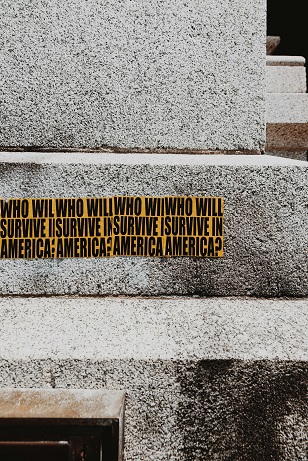
The current American economy landscape in America is characterized by numerous challenges that impact daily life for many citizens. One of the most pressing issues is the rising inflation which has significantly affected the purchasing power of individuals and families. As prices soar for essential goods, from groceries to gasoline, many Americans find it increasingly difficult to make ends meet. This persistent inflation, exacerbated by supply chain disruptions and geopolitical tensions, has turned financial stability into a daunting prospect for many households.
In addition to inflation, the job market continues to demonstrate volatility. While some sectors have seen robust growth, others are struggling to recover from the impacts of the pandemic. Many workers face uncertainty regarding job security, prompting fears about long-term career prospects. The transient nature of employment has led to a sense of instability, compelling individuals to rethink their career paths and adaptation strategies. As a result, many are pursuing additional training and education to gain a competitive edge in a shifting job market, underscoring a commitment to resilience.
Despite the overwhelming challenges, stories of innovation and resilience abound across the nation. Small businesses, in particular, are adapting remarkably, finding creative ways to navigate the current economic pressures. Entrepreneurs are increasingly tapping into e-commerce platforms, exploring niche markets, and utilizing social media to reach wider audiences. These adaptive strategies not only buffer against downturns but also give rise to new business models that offer hope in uncertain times.
Ultimately, while the economic challenges faced by Americans are significant, the spirit of resilience shines through. Communities are coming together to support local businesses and those in need, demonstrating an unwavering determination to overcome adversity. Through innovation and adaptability, many continue to find opportunities in the midst of struggle, paving the way for a more resilient economic future.
Social Issues: Inequality and Community Response
In the current landscape of American society, pressing social issues such as racial and economic inequality, health disparities, and the ongoing impact of the COVID-19 pandemic have surfaced. These inequities are not only persistent but have also been exacerbated by the crisis, revealing systemic flaws that affect marginalized communities disproportionately. Racial inequality manifests through various channels, including access to education, employment, and healthcare, creating barriers for many individuals striving for upward mobility.
Economic inequality, characterized by a widening wealth gap, poses significant challenges for numerous families. The pandemic has intensified these disparities, leading to increased unemployment rates and business closures, disproportionately affecting low-income communities. As a result, many Americans face difficulties meeting basic needs such as housing, nutrition, and healthcare. Health disparities, particularly evident during the pandemic, have highlighted how minority populations are more vulnerable to severe health risks, resulting in higher mortality rates and complications from COVID-19 compared to their white counterparts.
In response to these pressing social issues, community initiatives and movements have emerged across the nation. Grassroots organizations and citizen-led groups are mobilizing to advocate for social justice, emphasizing the importance of equitable access to resources and opportunities. These initiatives often focus on raising awareness about systemic inequalities and implementing local solutions aimed at bridging gaps within their communities. From food banks to educational programs, citizens are uniting in their efforts to create a more equitable society.
Ultimately, the resilience of communities in addressing societal issues highlights the power of collective action. The experience of coming together to confront economic and racial disparities serves as a driving force toward achieving social change in America, signaling hope for a more just future.
Political Climate: Division and Hope
The political climate in American economy has increasingly become characterized by deep-seated division and polarization among various political parties and constituents. Over the past few years, recent elections have highlighted contrasting ideologies that have further solidified partisan boundaries, leading to a landscape where agreement seems increasingly elusive. Voter turnout, influenced by both enthusiasm and discontent, reflects a populace deeply engaged yet fragmented in its opinions.
Social media has significantly shaped political discourse, enabling a rapid spread of information, but also misinformation. Platforms like Twitter and Facebook serve as arenas where individuals express political opinions and rally support, yet they also exacerbate divisions. Algorithms tend to promote content that resonates with users’ preexisting beliefs, creating echo chambers that reinforce existing biases. As a result, conversations that could foster understanding are often replaced by heated debates that further entrench viewpoints.
Despite the struggles within the political landscape, a wave of grassroots movements has emerged, emphasizing the importance of unity and civic engagement. These movements are often driven by younger generations, who are taking the initiative to bridge divides and advocate for inclusive dialogue. Efforts to promote community involvement, voter registration, and educational campaigns reflect a collective aspiration to foster hope amidst the current divisions. By engaging in local politics and encouraging civil discussions, these grassroots efforts aim to revitalize the civic spirit and remind citizens of their shared responsibilities.
While the political climate in American economy is fraught with challenges, the emergence of grassroots movements signals a potential shift towards a more constructive engagement. Acknowledging the complexities of political affiliations and fostering dialogue could pave the way for a more united citizenry that seeks common ground for the betterment of society.
Cultural Reflections: Resilience Through Arts and Lifestyle
In recent years, American culture has experienced significant shifts, prompting a remarkable response from artists and creators across various mediums. This resurgence of creativity is more than mere artistic expression; it serves as a commentary on societal issues that have surfaced in the face of contemporary challenges. From visual arts to music and literature, creators have woven narratives that reflect the intricacies of life in America right now.
The arts provide a channel through which individuals can process their emotions, confront traumas, and foster understanding among diverse communities. For instance, musicians are increasingly incorporating themes of resilience and social justice into their work, making their messages both relevant and resonant. These artistic endeavors do not exist in a vacuum; they intersect with broader societal discussions surrounding mental health, identity, and communal support. As conversations around mental health gain prominence, the arts have become instrumental in normalizing these discussions, allowing individuals to share their experiences while finding solace in shared narratives.
Moreover, the lifestyle choices of many American economy have evolved as they seek deeper fulfillment and connection in an increasingly fragmented world. There is a noticeable trend towards mindfulness and self-care, emphasized through creative outlets such as community art projects, music gatherings, and virtual performances. These activities serve as vital touchpoints, fostering community bonding and enabling individuals to navigate their surroundings with a sense of belonging.
Ultimately, the resilience of American economy culture shines through in its artistic expressions and lifestyle adaptations. As creators and audiences alike confront the realities of today, the convergence of art and lifestyle offers a compelling reflection of resilience, illustrating how creativity can serve as a powerful tool in challenging times.