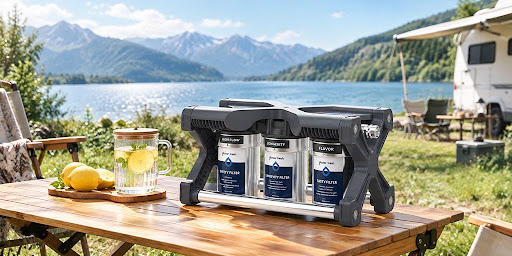
Traveling in a recreational vehicle (RV) offers the freedom to explore new destinations, enjoy beautiful landscapes, and experience outdoor adventures without sacrificing everyday comfort. However, access to clean, fresh-tasting water is an important part of a comfortable journey. Whether you are staying at a campground, traveling across the country, or spending time in a remote outdoor location, water quality can vary depending on the source. A 3-stage rv water filtration system can help improve water taste, reduce unpleasant odors, and address specific water-quality concerns while making everyday activities more convenient.
For RV owners who frequently connect to different campground water supplies, a multi-stage filtration system can provide a practical approach to water treatment. Understanding how these systems work, their benefits, and their maintenance requirements can help you choose the right solution for your travel needs.
Why Choose a 3-Stage RV Water Filtration System?
Water used in recreational vehicles may come from campground hookups, public water supplies, or onboard freshwater tanks. Although many water sources are treated, differences in plumbing conditions, storage practices, and local water characteristics can affect taste, odor, and appearance. Chlorine, sediment, and other unwanted substances may become noticeable during travel.
A three-stage filtration system uses multiple filtration processes to address different water-quality concerns. Instead of relying on a single filter, it combines several stages that may target sediment, chlorine taste, odors, and other specified contaminants. The exact results depend on the filter media and the manufacturer’s tested performance claims.
This type of system can be particularly useful for travelers who want a more comprehensive filtration setup than a basic inline filter. However, the number of stages alone does not guarantee better performance. Reviewing the product specifications and certifications is essential before making a purchase.
How a 3-Stage RV Water Filter Works
A typical three-stage system uses different filtration methods to treat water as it passes through the unit. Each stage performs a specific function, helping address multiple water-quality concerns.
First Stage: Sediment Filtration
The first stage commonly uses a sediment filter to capture suspended particles such as sand, dirt, rust, and other visible debris. These particles may enter water through distribution pipes or plumbing connections. Removing sediment early in the filtration process can help protect downstream filter cartridges and reduce unwanted particles in the water.
Second Stage: Activated Carbon Filtration
The second stage often uses activated carbon to reduce chlorine taste and odor. Chlorine is commonly used in municipal water treatment, but its presence can affect the taste and smell of drinking water. Carbon filtration can make water more pleasant for drinking, cooking, and preparing beverages.
Third Stage: Additional Contaminant Reduction
The third stage may use another carbon filter or a specialized filtration medium designed to reduce particular contaminants. Its capabilities depend on the system’s design, so consumers should review the manufacturer’s documentation to understand exactly what it removes or reduces.
Standard sediment and carbon filters do not necessarily remove bacteria, viruses, or every chemical contaminant. Water requiring additional treatment must be handled using a method appropriate for the identified risk.
Benefits of Using a 3-Stage RV Water Filtration System
A reliable rv water filter can improve the overall experience of traveling in a recreational vehicle. One of the main benefits is better-tasting water. By reducing chlorine and certain substances responsible for unpleasant odors, a suitable system can make drinking water and preparing meals more enjoyable.
Another advantage is sediment reduction. Capturing particles before they reach faucets and other plumbing components can support routine maintenance. However, filtration does not eliminate every cause of mineral buildup or prevent all plumbing issues.
A multi-stage system can also provide convenience for frequent travelers. Instead of relying entirely on bottled water, RV owners may be able to use filtered water from a suitable source. This can reduce storage requirements and help limit plastic waste during extended journeys.
Choosing the right rv water filtration system can also simplify water management at campgrounds. A compatible system with an appropriate flow rate allows users to access filtered water while completing everyday tasks such as washing dishes, filling containers, and preparing food.
Important Features to Consider Before Buying
When comparing three-stage filtration systems, consider filtration performance, water flow rate, installation requirements, and replacement cartridge availability. Look for clearly documented contaminant-reduction claims and applicable independent certifications, such as relevant NSF/ANSI standards.
Compatibility is equally important. Make sure the system fits your RV’s water connections and operates within the recommended pressure range. A filter that restricts water flow excessively may make showering and washing dishes inconvenient.
Maintenance costs should also be considered. Cartridge replacement schedules vary according to the product, incoming water quality, and the amount of water processed. Reviewing these requirements can help you estimate long-term ownership costs and avoid unexpected expenses.
Maintaining Your 3-Stage Filtration System
Regular maintenance helps ensure that your filtration equipment continues to perform as intended. Follow the manufacturer’s instructions for replacing cartridges, cleaning filter housings, and storing the system between trips. Inspect hoses, fittings, and seals regularly for leaks or signs of wear.
Use hoses and components designed for potable water, and sanitize your RV’s freshwater tank and plumbing system according to the vehicle manufacturer’s recommendations. During freezing conditions, protect or disconnect the equipment as instructed to prevent damage.
If you are uncertain about the safety of a water source, do not assume that a three-stage filter makes it safe to drink. Use an appropriate treatment method designed for the specific contamination risk.
Conclusion
A 3-stage RV water filtration system can be a practical solution for travelers who want better-tasting water and convenient water treatment during their adventures. By combining sediment filtration with carbon and other suitable filtration media, these systems can address several water-quality concerns in one setup.
Before purchasing, evaluate the system’s verified performance, flow rate, compatibility, and maintenance requirements. A well-chosen RV water filter, combined with proper maintenance and responsible water safety practices, can help make every trip more comfortable and enjoyable.