A water filter pitcher can make drinking water more convenient, but its performance depends on proper care. Even a well-designed filtration product requires regular cleaning, correct cartridge installation, and timely filter replacement. Without these basic steps, the pitcher may become less convenient to use, and its filtration performance may no longer match the manufacturer’s stated specifications.
Fortunately, maintaining a pitcher does not have to be complicated. A consistent routine can help keep the container clean, ensure that replacement filters are installed correctly, and make it easier to track maintenance dates.
For households using the glacier fresh water filter pitcher, understanding the manufacturer’s instructions is an important starting point for maintaining the product properly.
1. Read the Instructions Before First Use
Every pitcher filter has specific preparation and maintenance requirements. Before using a new product, read the included guide and identify the steps required to prepare the pitcher and cartridges.
Depending on the model, you may need to wash the pitcher, rinse a filter housing, prepare a cartridge, or discard an initial batch of filtered water. These steps help remove loose particles associated with manufacturing or packaging and prepare the filtration system for use.
Do not assume that all cartridges can be installed in the same way. A replacement filter designed for another brand or model may have different fitting requirements, even if it looks similar.
Check the model number and compatibility information before installing a replacement cartridge.
2. Wash the Pitcher Regularly
The pitcher should be cleaned according to the manufacturer’s recommendations. Regular washing helps remove residue and maintain a clean container for storing drinking water.
For most reusable pitchers, the basic process involves separating the washable components, using an appropriate dishwashing detergent, and rinsing thoroughly. Allow the parts to dry as directed before reassembling the pitcher.
Pay attention to the handle, lid, pouring spout, and other areas that may collect residue during everyday use.
Not every component should be cleaned in the same way. Some pitcher bodies may be dishwasher-safe, while filter housings or lids may require hand-washing. Check the instructions before placing any part in a dishwasher.
Avoid harsh cleaning products or abrasive tools unless the manufacturer specifically permits them.
3. Keep the Filter Housing Clean
The filter housing holds the cartridge in position and helps direct water through the filtration system. If the housing becomes dirty or is assembled incorrectly, the pitcher may not work as intended.
When the instructions permit removal, inspect the housing during routine cleaning. Rinse or wash it using the recommended method and ensure that it is completely ready for reassembly.
Check that seals and connecting parts are correctly positioned. A cartridge that does not fit securely may allow water to bypass the intended filtration path.
The Glacier Fresh pitcher systems use different components depending on the model, so follow the appropriate installation guide rather than relying on a generic procedure.
4. Replace Cartridges on Schedule
Filter replacement is one of the most important aspects of pitcher maintenance. Each cartridge has a rated capacity or recommended service interval, and its performance may decline after that limit is reached.
Some systems use more than one filtration stage, with separate replacement schedules for each component. The membrane filter may last longer than the activated carbon cartridge, for example.
For specified Glacier Fresh glass pitcher models, the manufacturer’s product information lists the membrane microfilter for replacement after approximately 1,000 liters or one year and the activated carbon filter after approximately 150 liters or two months. These figures should not be applied to every model in the collection.
Check the instructions for your exact pitcher and replace each component according to its stated requirements. If the filter reaches its rated capacity before the calendar interval, follow the manufacturer’s guidance for replacement.
5. Watch for Changes in Water Flow
A noticeable reduction in filtration speed can be a useful reminder to inspect your pitcher. A filter may slow down as it approaches its rated capacity, although other factors can also affect flow.
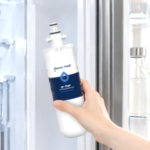
Check that the cartridge is installed correctly and that the water reservoir and housing are assembled according to the instructions. If the filter is due for replacement, install a compatible new cartridge.
Do not attempt to restore a disposable cartridge by washing it, opening it, or modifying its internal materials unless the manufacturer explicitly instructs you to do so.
A change in flow is only one maintenance indicator. A filter can reach its rated capacity without an obvious change in appearance, so follow the specified replacement schedule even when the water seems normal.
6. Pay Attention to Taste and Odor
A pitcher filter is often used to improve the taste or smell of tap water. If an unpleasant taste returns, it may be time to check the cartridge and the condition of the pitcher.
First, make sure the container is clean and the filter is installed correctly. Then check whether the cartridge has reached its recommended replacement interval.
However, not every change in taste is caused by the filter. The incoming water supply may have changed, or there may be an issue with the household plumbing.
If the water suddenly develops an unusual odor, discoloration, or other concerning characteristics, investigate the source rather than assuming that replacing the cartridge will solve the problem. Do not rely on taste or smell alone to determine water safety.
7. Store the Pitcher Properly
Good storage practices help keep the pitcher clean between uses. Keep the lid in place as directed and store the product in a location appropriate for the model.
Refrigerator storage may be convenient for households that prefer chilled water. Make sure the pitcher fits securely and is not positioned where it could easily fall when the refrigerator door opens.
Avoid leaving water standing in the pitcher for extended periods. Follow the manufacturer’s guidance for water storage and cleaning, particularly if the pitcher will remain unused for several days.
If you will be away from home for a long period, consult the instructions about whether to remove the cartridge, empty the pitcher, or prepare the system again before returning it to service.
8. Keep Track of Maintenance Dates
A simple reminder can make pitcher maintenance easier. Write the installation date on a calendar or use a phone reminder to track when each filter needs replacement.
For multi-stage systems, record the dates separately because the cartridges may have different service lives. Keeping the packaging or instruction guide nearby can also help you identify the correct replacement filter later.
When purchasing replacements, verify the model and compatibility details. The glacier fresh water filter pitcher range includes different pitcher designs and filtration components, so selecting the correct cartridge is essential.
Buying compatible filters in advance can also help prevent delays when a cartridge reaches its replacement date.
Common Maintenance Mistakes to Avoid
A few simple mistakes can make pitcher care more difficult than necessary:
- Ignoring replacement intervals: Filters should be replaced according to their rated capacity and manufacturer’s schedule.
- Using incompatible cartridges: Similar-looking filters are not necessarily interchangeable.
- Skipping initial preparation: Follow any required rinsing or flushing instructions before use.
- Cleaning components incorrectly: Confirm which parts are dishwasher-safe and which require hand-washing.
- Assuming clear water is always safe: A pitcher cannot be expected to remove every contaminant unless its performance for that substance has been established.
- Forgetting the housing: Cleaning the container alone may not address residue on other washable components.
Avoiding these mistakes helps keep maintenance straightforward and supports the intended operation of the filtration system.
Conclusion
Maintaining a water filter pitcher involves regular cleaning, correct cartridge installation, timely replacement, and appropriate storage. These habits can help keep the product convenient to use while supporting the filtration performance specified by the manufacturer.
The glacier fresh water filter pitcher can be part of a practical home water routine when its maintenance requirements are followed carefully. Check your model’s instructions, monitor replacement dates, and use compatible filters to keep the system operating as intended.
A few minutes of regular care can make a reusable pitcher easier to manage and help households enjoy a more consistent supply of filtered water.