
AI automation has quickly become one of the biggest technology trends among businesses of all sizes. With modern AI models and no-code tools making automation more accessible than ever, many organizations are looking for ways to streamline operations, improve productivity, and reduce costs. Successful AI automation is not about adding AI to every workflow. Instead, it requires understanding where AI creates value and where human oversight remains essential.

1. Why AI automation is growing so quickly
1.1. Lower barriers to adoption
Five years ago, implementing automation often required significant engineering resources. Today, businesses can often connect applications, build simple workflows, and integrate AI capabilities much faster than before. This shift has made AI automation accessible not only to large enterprises but also to startups and SMEs. As a result, more organizations are experimenting with automated customer support, document processing, and internal productivity tools.
1.2. Pressure to improve productivity
Businesses are under constant pressure to do more with existing resources. AI promises faster response times, lower operational costs, and improved efficiency. Stories about companies using AI to save hundreds of hours each month have also contributed to the excitement. While many of these examples are real, they often leave out an important detail: maintaining an AI-powered workflow can be just as important as building it.
2. What AI is genuinely good at
2.1. Repetitive and structured tasks
AI performs particularly well when dealing with repetitive tasks that involve predictable inputs and outputs. Examples include:
- Summarizing meeting notes.
- Classifying support tickets.
- Extracting information from documents.
- Updating CRM records.
- Generating first drafts of emails.
- Searching internal knowledge bases.
These use cases share several characteristics. They are relatively low risk, easy to monitor, and can tolerate occasional errors without causing major business disruption.
2.2. Supporting human decision-making
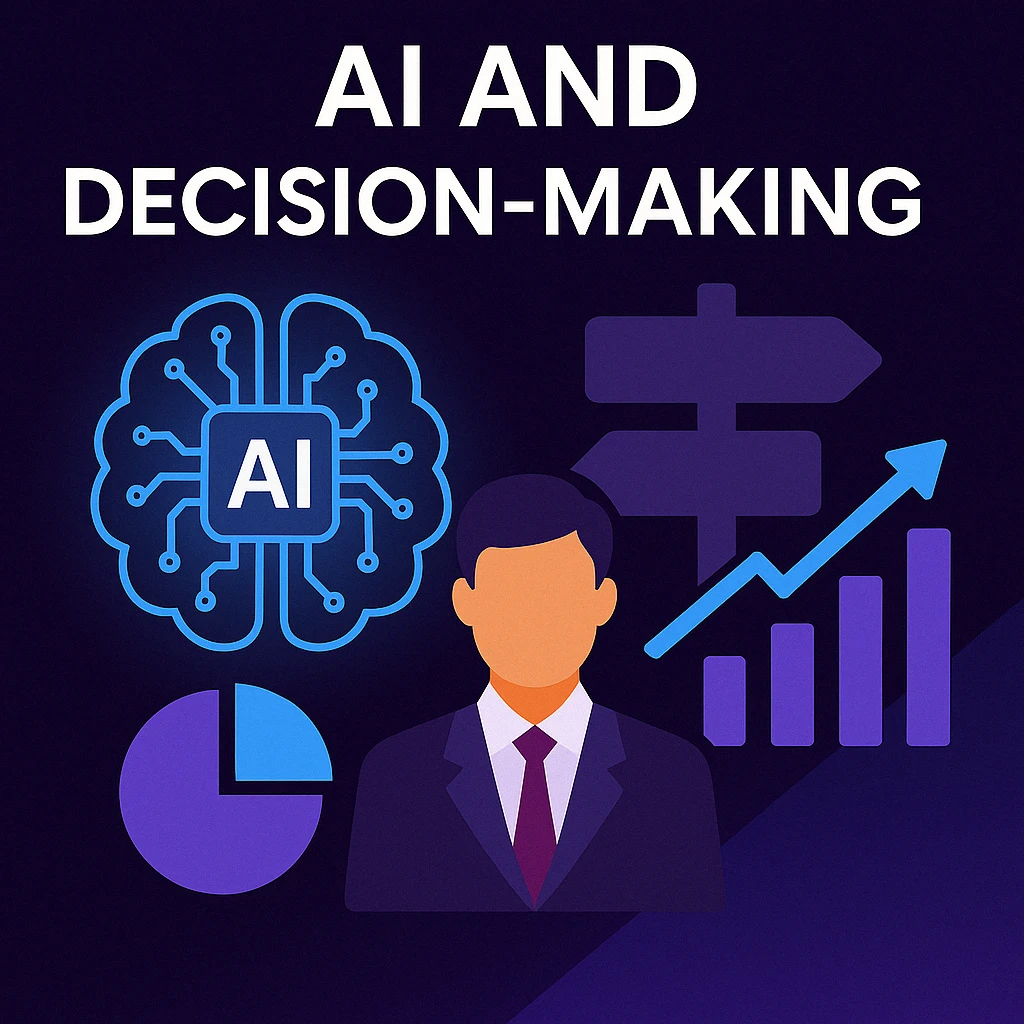
AI is often most effective when it acts as an assistant rather than a decision-maker. For example, an AI system can help a customer service representative prioritize urgent requests or provide suggested responses. However, the final decision still belongs to a human who understands context, customer expectations, and business priorities.
Organizations that achieve the best results from AI automation tend to focus on augmentation rather than complete replacement.
3. What should not be fully automated
3.1. High-impact decisions
Not every workflow is a good candidate for AI automation. Processes involving financial approvals, legal reviews, medical decision support, or security incidents require a much higher level of accountability. In these situations, even a small error can have significant consequences.
A useful principle is: High business impact + low tolerance for mistakes = human involvement is required.
3.2. Workflows that depend heavily on context
AI models are improving rapidly, but they still struggle with ambiguity and incomplete information. Consider a customer escalation involving a long-term client. An AI system may analyze the available data and suggest a response, but it cannot fully understand years of business history, relationship dynamics, or strategic considerations.
Human judgment remains difficult to replace in situations where context matters more than speed.
4. The hidden costs of over-automation
4.1. Maintenance and workflow failures
One of the most overlooked aspects of AI automation is maintenance. An automated workflow does not stop evolving after deployment. APIs change, prompts become less effective, and dependencies need updates. Over time, small issues can accumulate and impact reliability.
An AI workflow that saves two hours each week may not provide meaningful value if it requires several hours of maintenance every month.
4.2. Hallucinations and quality concerns
AI systems can generate inaccurate or misleading outputs with a high degree of confidence. While hallucinations may have limited impact in some low-risk use cases, they become problematic when businesses rely on AI without proper validation mechanisms. Without review processes in place, incorrect outputs can quickly spread across multiple systems.

4.3. Security and governance challenges
As AI becomes integrated into more business processes, organizations must consider questions such as:
- Who can access sensitive data?
- How are AI outputs audited?
- What happens when a workflow fails?
- Is there a fallback process?
- Who is responsible for approving critical actions?
These questions are less visible during the early stages of experimentation, but they become increasingly important as AI adoption grows.
5. AI automation needs governance, not just technology
5.1. Human-in-the-loop design
Many successful AI initiatives follow a simple principle: keep humans involved where it matters. Human-in-the-loop models allow AI to handle repetitive work while ensuring that employees remain responsible for critical decisions. This approach balances efficiency with accountability and helps organizations reduce operational risk.

5.2. Building AI systems that can scale
Scaling AI automation requires more than connecting tools together. Organizations should think about:
- Monitoring and observability.
- Access control.
- Approval workflows.
- Audit logs.
- Version management.
- Failure recovery processes.
These capabilities may not be as exciting as building a new AI agent, but they are often the difference between a successful implementation and a short-lived experiment. Businesses looking to move beyond isolated automations can benefit from working with an experienced AI-powered software product studio that understands enterprise integration, scalable architecture, and AI governance requirements.
AI automation has enormous potential, but automating everything is rarely the right strategy. The organizations seeing the greatest long-term benefits are not asking how to remove humans from every workflow. Instead, they are identifying where AI can create meaningful value while keeping people in control. As AI automation continues to evolve, balancing innovation with governance will remain a key factor in building reliable and scalable systems.