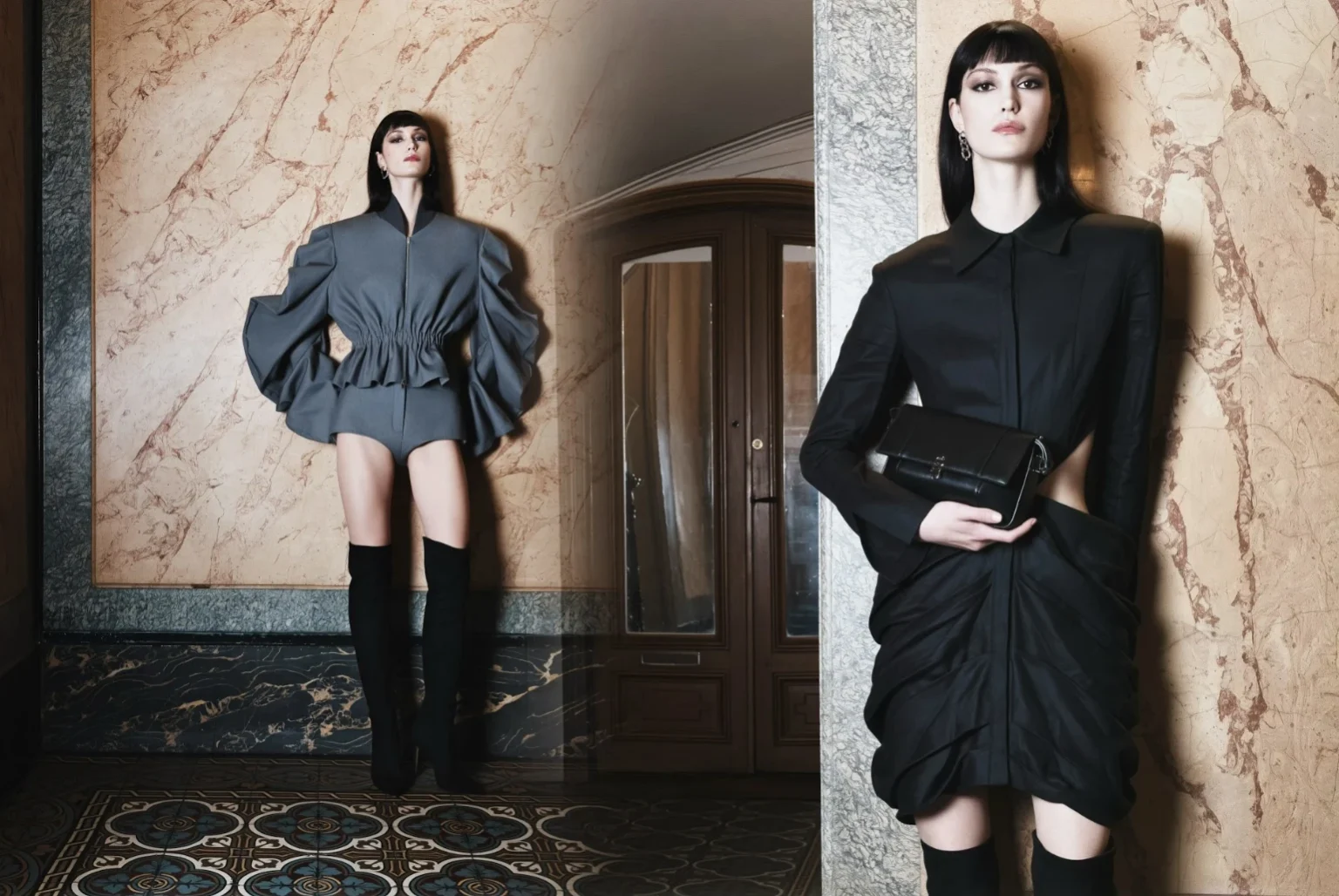
Spend More on Fewer Dresses: Why Quality, Fit, and Fabric Win Over Time
The most common wardrobe mistake isn’t buying the wrong style. It’s buying the right style in the wrong quality — a dress that looks exactly right on first wear and gradually reveals its limitations over the months that follow. Pilling fabric, a waistband that loses structure, a hem that begins to twist. Expensive dresses avoid these failures not through accident but through deliberate decisions at every stage of production, from material sourcing to final finishing.
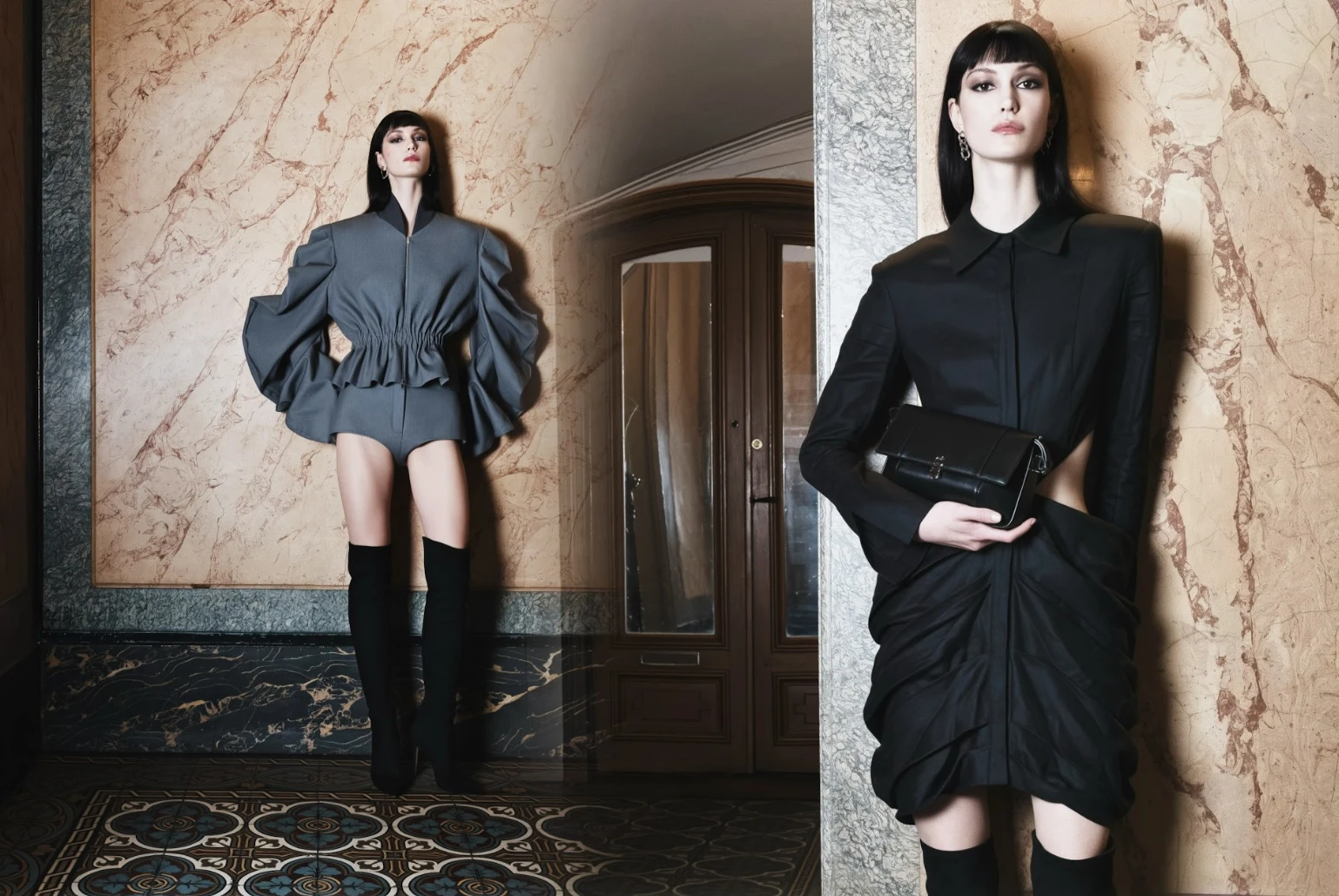
Why Quality Reveals Itself Over Time
The difference between a well-made dress and a cheaper one is rarely obvious at the point of purchase. Both may photograph similarly. Both may feel acceptable in a brief fitting room try-on. The gap becomes visible across weeks and months of actual wear.
Premium construction holds. Seams stay smooth. Fabric maintains its drape and surface rather than pilling, distorting, or fading unevenly. A lined dress in quality material feels as good at the end of a long day as it did at the beginning. These are not minor refinements — they define whether a piece becomes a wardrobe constant or a wardrobe regret.
Proportion and Fit as the Core of Design
The most enduring dresses are built around proportion rather than trend. A neckline that frames the face correctly. A waist placement that creates a clean, elongating line. A hem length that balances the silhouette without demanding specific footwear to work.
These decisions happen at the pattern stage, before fabric is cut — which is why they’re so difficult to replicate at lower price points where pattern development is compressed. When proportion is right, a dress works across a range of styling choices rather than requiring a specific combination to look intentional. It becomes a foundation piece rather than a statement that demands supporting context.
The Real Cost of Buying Cheap
Cost per wear is the most honest way to evaluate a clothing purchase. A dress bought at a fraction of the price of a quality alternative seems like the better financial decision — until it’s worn a handful of times before losing its shape, its surface, or simply its appeal.
A well-made dress worn consistently across two or three years, styled in multiple ways across different contexts, almost always represents better value than two or three replacements at lower price points. The upfront cost is higher; the actual cost is lower. And the experience of wearing it — the quiet confidence of knowing what you have on is genuinely good — is not something a cheaper alternative provides.
Building a Dress Wardrobe That Works
The most functional approach to building around dresses is selective rather than comprehensive. Two or three pieces chosen with care — covering the range of contexts you actually dress for — will serve better than a larger collection of pieces that partially work.
A clean midi for professional and travel contexts. A more structured option for evenings and occasions. Perhaps a simpler silhouette for city days and weekends. Each chosen for fabric quality, construction, and a silhouette clean enough to restyle easily. Each worn often enough to justify the investment clearly.
This is dressing with intention rather than accumulation — and the wardrobe it produces is both smaller and more satisfying than the alternative.