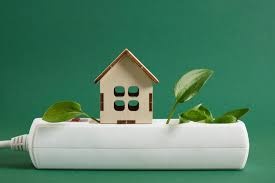
Discover how small daily changes can lead to a greener lifestyle. This comprehensive guide provides actionable steps to transform your home into an eco-friendly sanctuary, reducing your environmental footprint and saving valuable resources. By implementing simple yet effective habits, you can lower utility bills while protecting the planet. Learn to embrace sustainable living today.
Energy Efficiency Upgrades
Optimizing how your household consumes energy is one of the most impactful ways to reduce your carbon footprint. By taking advantage of modern technology and keeping your existing equipment in top condition, you can drastically cut down on unnecessary electricity and gas usage.
Smart Thermostats and Lighting
The first step toward an energy-efficient home involves controlling your climate and lighting with precision. Programmable and smart thermostats learn your daily routine and adjust the temperature accordingly, ensuring you never waste power heating or cooling an empty house. Similarly, swapping out outdated incandescent bulbs for modern LED lighting provides immediate benefits. LEDs consume significantly less electricity and have a much longer lifespan. Adding motion sensors or automated timers to your lights can further guarantee that rooms are only illuminated when someone is actually using them.
Appliance Efficiency
Large household appliances draw a substantial amount of power, so keeping them running efficiently is critical. Always look for energy-efficiency certifications when upgrading old refrigerators, washers, or dishwashers. However, maintaining your current equipment is equally important. Routine maintenance extends the life of your appliances and keeps their energy consumption low. For instance, if your heating system is struggling during the winter, looking into professional furnace repair services in Herriman can help identify blockages or mechanical issues. Fixing these problems ensures your unit runs at peak performance, using far less energy than a malfunctioning system.
Water Conservation Strategies
Freshwater is a finite resource, and residential water usage puts a heavy strain on local supplies. Implementing thoughtful conservation strategies inside and outside your house will lower your utility bills and help preserve vital ecosystems.
Low-Flow Fixtures
You do not have to sacrifice water pressure to save water. Installing low-flow showerheads, toilet models, and faucet aerators restricts the volume of water flowing through the pipes while maintaining a strong, steady stream. These simple hardware updates can save thousands of gallons of water per household every single year. Furthermore, fixing leaky faucets and running toilets immediately prevents the slow, steady waste of clean water that often goes unnoticed for months.
Rainwater Harvesting
Your roof collects a massive amount of water during a typical rainstorm. Instead of letting that water wash away into the municipal drainage system, consider setting up a rainwater harvesting system. Placing a rain barrel beneath your downspouts allows you to capture and store runoff. This untreated water is perfectly safe and highly beneficial for watering indoor houseplants, outdoor flower beds, and vegetable gardens. By utilizing rainwater, you decrease your reliance on treated municipal water for basic landscaping needs.
Waste Reduction and Recycling
The average household generates a tremendous amount of solid waste, much of which ends up in local landfills. Taking a proactive approach to waste management prevents harmful greenhouse gas emissions and keeps useful materials in circulation.
Composting and Waste Sorting
When organic matter like food scraps and yard waste decomposes in a landfill, it releases methane, a potent greenhouse gas. Setting up a backyard compost bin or utilizing a countertop composter completely eliminates this problem. Composting turns banana peels, coffee grounds, and fallen leaves into nutrient-dense fertilizer for your garden. In addition to composting, diligently sorting your household waste ensures that glass, aluminum, paper, and rigid plastics make it to the proper recycling facilities rather than taking up space in the garbage bin.
Reusable Products
Single-use items offer temporary convenience but create long-term environmental damage. Transitioning to reusable alternatives requires a small shift in habits but delivers massive ecological benefits. Swap disposable paper towels for washable microfiber cloths or recycled cotton rags. Replace plastic sandwich bags with durable silicone alternatives or beeswax wraps. Keep reusable canvas bags in your vehicle so you are always prepared for impromptu grocery runs. Over time, these small substitutions drastically reduce the volume of household trash you produce.
Sustainable Sourcing and Decor
Interior design and home organization do not have to come at the expense of the environment. Being mindful of the materials you bring into your living space promotes ethical manufacturing and reduces deforestation.
Eco-Friendly Materials
If you are renovating your home or purchasing new furniture, prioritize materials that are renewable and sustainably harvested. Bamboo and cork are excellent alternatives to traditional hardwoods because they grow rapidly and can be harvested without killing the original plant. When selecting textiles for curtains, rugs, or upholstery, look for organic cotton, hemp, or linen. These natural fibers require fewer synthetic pesticides during cultivation and biodegrade naturally at the end of their lifecycle, unlike petroleum-based synthetic fabrics.
Upcycling and Secondhand Finds
The most sustainable piece of furniture is the one that already exists. Shopping at thrift stores, antique shops, and local online marketplaces extends the life of perfectly good items that might otherwise be thrown away. Upcycling takes this concept a step further by breathing new life into outdated pieces. A fresh coat of non-toxic paint, some modern hardware, or a bit of creative reupholstering can completely transform an old dresser or armchair. Embracing secondhand decor adds unique character to your home while minimizing manufacturing demand.
Green Cleaning Practices
Standard commercial cleaning products often contain harsh synthetic chemicals that degrade indoor air quality and pollute local waterways once they are washed down the drain. Transitioning to natural cleaning methods creates a safer environment for your family and pets.
Natural Cleaning Solutions
You likely already have everything you need to clean your home sitting in your pantry. White vinegar, baking soda, and lemon juice are powerful, naturally occurring cleaning agents. Vinegar acts as a mild acid that effortlessly cuts through grease and hard water stains on glass and countertops. Baking soda provides a gentle abrasive texture ideal for scrubbing tile grout and absorbing foul odors. Mixing these simple ingredients allows you to tackle almost any household mess without relying on heavily manufactured products.
Avoiding Harsh Chemicals
Many conventional air fresheners, laundry detergents, and surface cleaners release volatile organic compounds (VOCs) into your living space. These airborne chemicals can trigger respiratory issues and skin irritation. When you must purchase commercial cleaning supplies, read the labels carefully. Select products that are plant-based, biodegradable, and free from synthetic fragrances, chlorine, and ammonia. Choosing eco-friendly detergents ensures that the greywater leaving your washing machine does not disrupt the delicate chemical balance of local rivers and streams.
Outdoor Eco-Conscious Living
Your environmental impact extends beyond the walls of your house. Managing your yard and garden with sustainability in mind supports local wildlife and conserves outdoor resources.
Native Plant Landscaping
Traditional grass lawns require constant watering, chemical fertilizers, and gas-powered mowing to maintain their pristine appearance. Transitioning your yard to a native plant landscape offers a beautiful, low-maintenance alternative. Because native plants are already adapted to your local climate and soil conditions, they require minimal supplementary watering and naturally resist regional pests. Additionally, planting native wildflowers and shrubs provides essential habitats and food sources for local pollinators, including bees, butterflies, and hummingbirds.
Water-Wise Gardening
If you maintain a vegetable garden or flower beds, adopting water-wise gardening techniques ensures your plants thrive without wasting municipal resources. Apply a thick layer of organic mulch around the base of your plants to block weeds, regulate soil temperature, and prevent water from evaporating into the air. Instead of using a traditional sprinkler that sprays water indiscriminately, install a drip irrigation system. Drip lines deliver water slowly and directly to the root zones of your plants, eliminating runoff and maximizing hydration efficiency.
Conclusion
Making your home eco-friendly is an ongoing journey that benefits both your household and the planet. By implementing these practical strategies, from conserving energy and water to reducing waste and choosing sustainable products, you contribute to a healthier environment. Embrace these positive changes for a greener, more sustainable future, taking it one simple step at a time.