In today’s fast-paced commerce landscape, the modern warehouse is far more than a simple storage depot; it serves as the vital heart of fulfillment, inventory management, and overall supply chain logistics. When bottlenecks, machinery failures, or layout issues disrupt daily workflows, the negative repercussions cascade across an entire business ecosystem. Consequently, forward-thinking logistics managers and facility owners must treat warehouse maintenance not as an unpredictable emergency expense, but as a strategic driver of long-term operational excellence.
Whether managing an existing industrial hub or working alongside a commercial real estate agent to select and develop new logistics facilities, implementing structured upkeep protocols protects valuable capital investments, cuts unnecessary overhead, and maintains operational continuity.
1. Transitioning from Reactive to Proactive Maintenance
The foundation of any high-performing logistics facility lies in shifting from reactive “break-fix” habits to a structured preventive maintenance framework. Waiting for components or heavy equipment to break before addressing them is exponentially more expensive and leads to costly, unexpected downtime.
A disciplined preventive maintenance schedule should encompass both the structural infrastructure—such as clear-span steel frameworks, roofing, loading docks, and HVAC systems—and operational machinery. Standardizing daily visual inspection logs empowers operators to spot minor issues, like fluid leaks, damaged seals, or track wear, before they escalate into severe system failures.
2. Leveraging Digital Tools and Predictive Analytics
Modern facility management increasingly relies on software and digital tools to eliminate guesswork and streamline upkeep workflows. Integrating a Computerized Maintenance Management System (CMMS) with your Warehouse Management System (WMS) allows facility managers to auto-schedule inspections, track asset performance histories, and manage repair logs in real time.
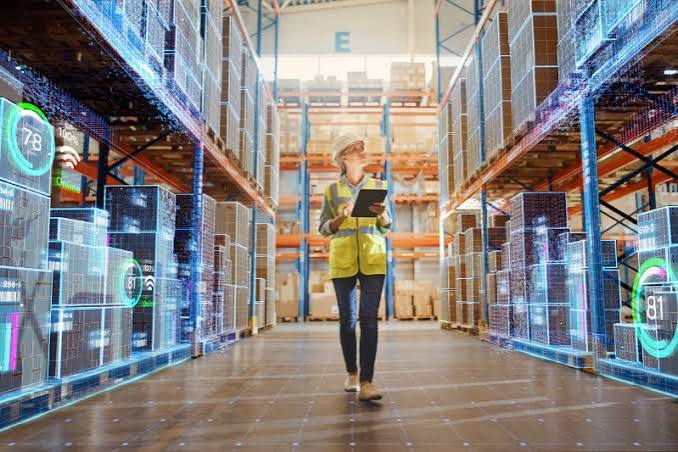
Furthermore, incorporating smart IoT sensors and telematics directly onto heavy machinery and material handling equipment enables predictive maintenance. Telematics systems continuously monitor critical variables such as hydraulic pressure, operating temperature, and engine diagnostics. By analyzing this real-time data, maintenance teams can anticipate wear and schedule servicing during planned off-peak hours, ensuring uninterrupted order fulfillment.
3. Machinery Upkeep, Fluid Care, and Operator Stewardship
High-capacity material handling equipment—including automated guided vehicles (AGVs), conveyor networks, and forklifts—represents a major capital investment. Extending the operational lifespan of these assets requires strict adherence to manufacturer service intervals, filter replacements, and diligent fluid management. Utilizing high-quality lubricants on joints, bearings, and hydraulic components reduces mechanical friction and prevents premature wear.
Equally important is empowering equipment operators through comprehensive training programs. Operators serve as the first line of defense against mechanical damage. Educating team members on correct startup/shutdown protocols, safe load boundaries, and early warning signs (such as unusual vibrations or noises) fosters an organizational culture of asset stewardship.
4. Prioritizing Workplace Safety, Energy Efficiency, and Compliance
Warehouses are inherently complex, hazardous environments involving heavy machinery, elevated racking, and constant material movement. Prioritizing worker safety through routine safety audits, clear floor markings, and ergonomic tool accessibility drastically reduces workplace accidents and minimizes expensive employee turnover.
Simultaneously, smart maintenance strategies should focus on building energy efficiency and regulatory compliance. Upgrading to energy-efficient LED fixtures, insulating key spaces, and servicing heating and cooling infrastructure reduce utility overhead while supporting corporate sustainability goals. Regular inspection of fire safety systems, sprinklers, and electrical panels mitigates liability risks and keeps the property fully compliant with local safety codes.
Final Thoughts
Mastering warehouse maintenance is a continuous process that balances resilient infrastructure, intelligent monitoring tools, and skilled workforce participation. By establishing proactive maintenance protocols, leveraging modern predictive technology, and maintaining high safety standards, businesses can transform their facility operations into powerful, resilient engines of long-term commercial growth.