Introduction
Maintaining a comfortable indoor environment requires an air conditioning system that delivers consistent cooling, manages humidity, and operates efficiently throughout the warmer months. When an existing cooling system becomes outdated, requires frequent repairs, or struggles to maintain comfortable temperatures, upgrading the equipment can be a practical investment. A professional AC installation helps homeowners establish reliable indoor comfort while improving energy efficiency and reducing unnecessary strain on cooling equipment. However, installing a new air conditioner involves much more than selecting a unit and connecting it to an electrical supply. The process requires careful evaluation of cooling requirements, equipment capacity, ductwork conditions, electrical connections, refrigerant lines, and thermostat compatibility. Every detail contributes to the overall performance of the system. Working with experienced HVAC professionals helps ensure that the equipment is selected and installed according to the property’s specific requirements. A properly planned installation can provide dependable cooling, improve indoor comfort, and support the long-term performance of the entire heating and cooling system.
Understanding Modern Air Conditioning Systems
Modern air conditioning systems are designed to provide more than basic temperature reduction because they also contribute to humidity management, indoor airflow, and overall residential comfort. These systems work by transferring heat from indoor spaces to the outdoor environment through a refrigeration cycle involving several important components. The evaporator coil absorbs indoor heat, while the compressor and condenser work together to release that heat outside. Refrigerant circulates through the system, allowing the cooling process to continue as conditioned air moves through the home’s ventilation network. During an AC installation, understanding how these components work together is essential for achieving dependable performance. Different systems offer different features, capacities, and efficiency levels, making professional equipment selection particularly important. Homeowners should consider their property’s layout, cooling requirements, insulation, and existing HVAC configuration before choosing a replacement. Selecting appropriate equipment helps ensure that the cooling system can maintain comfortable temperatures without unnecessary energy consumption or excessive operating strain.
Selecting the Right Cooling Equipment
Choosing suitable cooling equipment is one of the most important decisions homeowners make when upgrading their air conditioning systems. Different properties have different cooling requirements depending on their square footage, ceiling height, insulation quality, window placement, occupancy, and exposure to sunlight. An air conditioner that performs effectively in one home may not provide sufficient cooling in another because building characteristics directly influence heat gain and indoor temperature. Professional HVAC technicians evaluate these factors before recommending equipment with appropriate cooling capacity. A properly planned AC installation begins with understanding the actual requirements of the property instead of simply choosing the largest or least expensive available unit. Homeowners should also compare equipment features, energy efficiency ratings, warranty coverage, and maintenance requirements. Considering these details helps prevent unnecessary expenses while ensuring that the selected system provides suitable cooling performance. Professional recommendations can also help homeowners understand the differences between available equipment options and choose a system that supports their long-term comfort expectations.
Importance of Correct System Sizing
Correct air conditioner sizing has a direct impact on cooling performance, humidity control, energy consumption, and equipment lifespan. Many homeowners mistakenly believe that a larger air conditioner will always provide better cooling, but oversized equipment can create several operational problems. When a system has more capacity than the property requires, it may cool the indoor space too quickly and shut down before completing an effective operating cycle. This frequent starting and stopping can increase component wear and reduce the system’s ability to manage indoor humidity. An undersized unit can create the opposite problem because it may operate continuously while struggling to reach the desired temperature. Professional technicians calculate cooling requirements by considering building characteristics and expected heat loads. During an AC installation, accurate sizing helps establish a balance between cooling capacity and actual demand. This approach supports consistent indoor temperatures, reduces unnecessary energy consumption, and allows the equipment to operate under conditions recommended by its manufacturer.
Evaluating Existing Ductwork
Ductwork plays an essential role in distributing conditioned air throughout a property, which makes its condition an important consideration during an air conditioning upgrade. Damaged ducts, loose connections, accumulated debris, and air leaks can reduce airflow and prevent cooled air from reaching certain rooms effectively. These problems may cause temperature differences between living spaces and force the cooling equipment to operate longer than necessary. Even an advanced air conditioner may struggle to deliver satisfactory results when the existing duct system has significant restrictions or leakage. A professional AC installation should therefore include an evaluation of accessible ductwork to identify potential airflow problems before connecting the new equipment. Technicians may recommend sealing leaks, repairing damaged sections, improving insulation, or addressing other restrictions when necessary. Proper ductwork supports balanced air distribution and helps the cooling system operate more efficiently. Homeowners can also contribute by keeping vents unobstructed and replacing air filters according to manufacturer recommendations.
Preparing the Installation Area
Preparing the installation area helps technicians complete the project efficiently while reducing the possibility of avoidable complications. Before work begins, the existing equipment, electrical connections, refrigerant lines, drainage arrangements, and equipment placement should be evaluated. The indoor air handler and outdoor condenser require appropriate positioning to support airflow, accessibility, and routine maintenance. Outdoor units should have sufficient clearance around them so that surrounding objects, plants, or accumulated debris do not restrict ventilation. Indoor equipment should also be installed in a suitable location where condensate drainage and system connections can be managed properly. A professional AC installation includes considering these practical requirements before the equipment is positioned and connected. Homeowners can help prepare by clearing the surrounding area, removing unnecessary obstacles, and informing technicians about previous cooling problems. Proper preparation makes it easier to complete the work systematically and helps ensure that important installation requirements receive attention.
Understanding Energy Efficiency Ratings
Energy efficiency is an important consideration when purchasing a new air conditioning system because it influences electricity consumption and long-term operating expenses. Modern cooling equipment is available with different efficiency ratings, allowing homeowners to compare how effectively various systems use energy to provide cooling. A higher efficiency rating generally indicates that equipment can deliver the required cooling with less energy under standardized testing conditions. However, actual performance also depends on equipment sizing, installation quality, maintenance, thermostat settings, and the condition of the home’s insulation and ductwork. A properly planned AC installation helps homeowners benefit from the efficiency features of their selected equipment. Technicians can explain available options and recommend systems that balance initial costs with expected operating expenses. Homeowners should also consider how frequently the air conditioner will be used because usage patterns influence the potential value of efficiency improvements. Choosing suitable equipment and maintaining it properly can contribute to more economical cooling throughout its service life.
Checking Electrical Connections and Safety
Electrical components are responsible for supplying power to important parts of an air conditioning system, including the compressor, fan motors, control boards, and other operating mechanisms. Incorrect wiring, damaged connections, insufficient electrical capacity, or unsuitable circuit protection can interfere with system operation and create safety concerns. Before connecting new cooling equipment, qualified technicians should evaluate the existing electrical arrangement and determine whether it meets the manufacturer’s requirements. This may involve checking wiring conditions, disconnect switches, circuit breakers, and other relevant electrical components. Professional electrical work is an important part of every AC installation because cooling equipment must receive a suitable and reliable power supply. Homeowners should never attempt complicated electrical modifications without the necessary qualifications and equipment. Having experienced professionals complete these tasks helps reduce installation risks and supports dependable system operation. Proper electrical connections also help protect sensitive components from avoidable problems that could affect cooling performance.
Refrigerant Lines and Proper Connections
Refrigerant is essential to the cooling process because it transfers heat between indoor and outdoor components as it circulates through the air conditioning system. Refrigerant lines connect important parts of the equipment, allowing the refrigeration cycle to function correctly. Damaged tubing, loose connections, contamination, or improper refrigerant handling can reduce cooling efficiency and potentially damage system components. During a professional AC installation, technicians inspect refrigerant connections and follow manufacturer specifications to ensure that the system is prepared for operation. Depending on the equipment and installation requirements, the work may involve pressure testing, evacuation, leak checks, and verifying the correct refrigerant charge. These procedures require specialized tools and technical knowledge, making professional service particularly important. Homeowners should also understand that refrigerant issues are not always resolved by simply adding more refrigerant because an underlying leak or another mechanical problem may need attention. Proper installation practices help establish reliable cooling performance while protecting the equipment.
Improving Thermostat Performance
A thermostat controls when an air conditioning system operates by monitoring indoor temperatures and communicating cooling requirements to the equipment. Modern thermostats offer features such as programmable schedules, temperature adjustments, and smart connectivity that can make managing indoor comfort more convenient. However, these controls must be compatible with the installed equipment and positioned appropriately to provide accurate temperature readings. A thermostat located near direct sunlight, cooking appliances, heat-producing electronics, or drafts may detect temperatures that do not represent the overall indoor environment. This can cause unnecessary system operation or inconsistent cooling. During an AC installation, technicians can evaluate thermostat placement, verify wiring compatibility, and configure available operating settings. Homeowners may also benefit from programmable temperature schedules that reduce unnecessary cooling when the property is unoccupied. Understanding thermostat features and using them appropriately can help maintain a comfortable environment while supporting more efficient energy consumption.
Maintaining Consistent Indoor Airflow
Consistent airflow is necessary for an air conditioning system to distribute cooled air effectively throughout a home. Restricted filters, blocked vents, dirty coils, and ductwork problems can interfere with air movement and reduce overall cooling performance. When airflow becomes restricted, the equipment may experience additional operating strain, and certain rooms may receive less conditioned air than others. These issues can become particularly noticeable when cooling demand increases during warmer periods. A professional AC installation should consider the property’s airflow requirements and evaluate whether the existing ventilation arrangement is suitable for the replacement equipment. Homeowners should avoid placing large furniture, curtains, or other objects directly in front of supply and return vents. Regular filter replacement is equally important because dirty filters can restrict circulation and affect indoor comfort. Maintaining proper airflow helps the air conditioner operate more consistently and supports balanced temperatures throughout different areas of the home.
The Connection Between Cooling and Indoor Air Quality
Indoor air quality is an important part of residential comfort because people spend considerable time inside their homes. Air conditioning systems circulate indoor air through filters and ventilation components, making their condition relevant to the overall indoor environment. Dirty filters can allow dust accumulation within equipment and may restrict airflow, while poorly maintained drainage components can contribute to unwanted moisture around the system. Homeowners should understand that standard air conditioning equipment is not a complete indoor air purification solution, but appropriate filtration and maintenance can support better air circulation. During an AC installation, homeowners can discuss filtration options and other compatible indoor air quality improvements with HVAC professionals. Depending on household requirements, additional solutions may include improved filtration equipment, ventilation improvements, or dedicated air purification systems. Keeping filters clean and addressing moisture concerns also contributes to a more comfortable indoor environment. Considering air quality alongside cooling performance allows homeowners to make more informed decisions about their overall HVAC requirements.
Recognizing Signs That Replacement Is Necessary
An aging air conditioner may gradually lose its ability to provide dependable cooling, particularly when important components experience wear or repeated mechanical problems. Homeowners should pay attention to warning signs such as frequent breakdowns, rising electricity bills, unusual operating noises, weak airflow, and inconsistent indoor temperatures. Repeated repair expenses may also indicate that maintaining the existing system is becoming less economical. Although some problems can be resolved through professional repairs, major component failures or declining equipment efficiency may make replacement a more practical option. A qualified technician can inspect the existing system and explain whether repairs or a complete upgrade would provide better long-term value. When replacement becomes necessary, professional AC installation offers an opportunity to address existing comfort concerns and select equipment that better matches the property’s current cooling requirements. Evaluating equipment age, repair history, operating costs, and overall condition helps homeowners make a decision based on practical needs rather than temporary performance improvements.
Benefits of Professional Installation Services
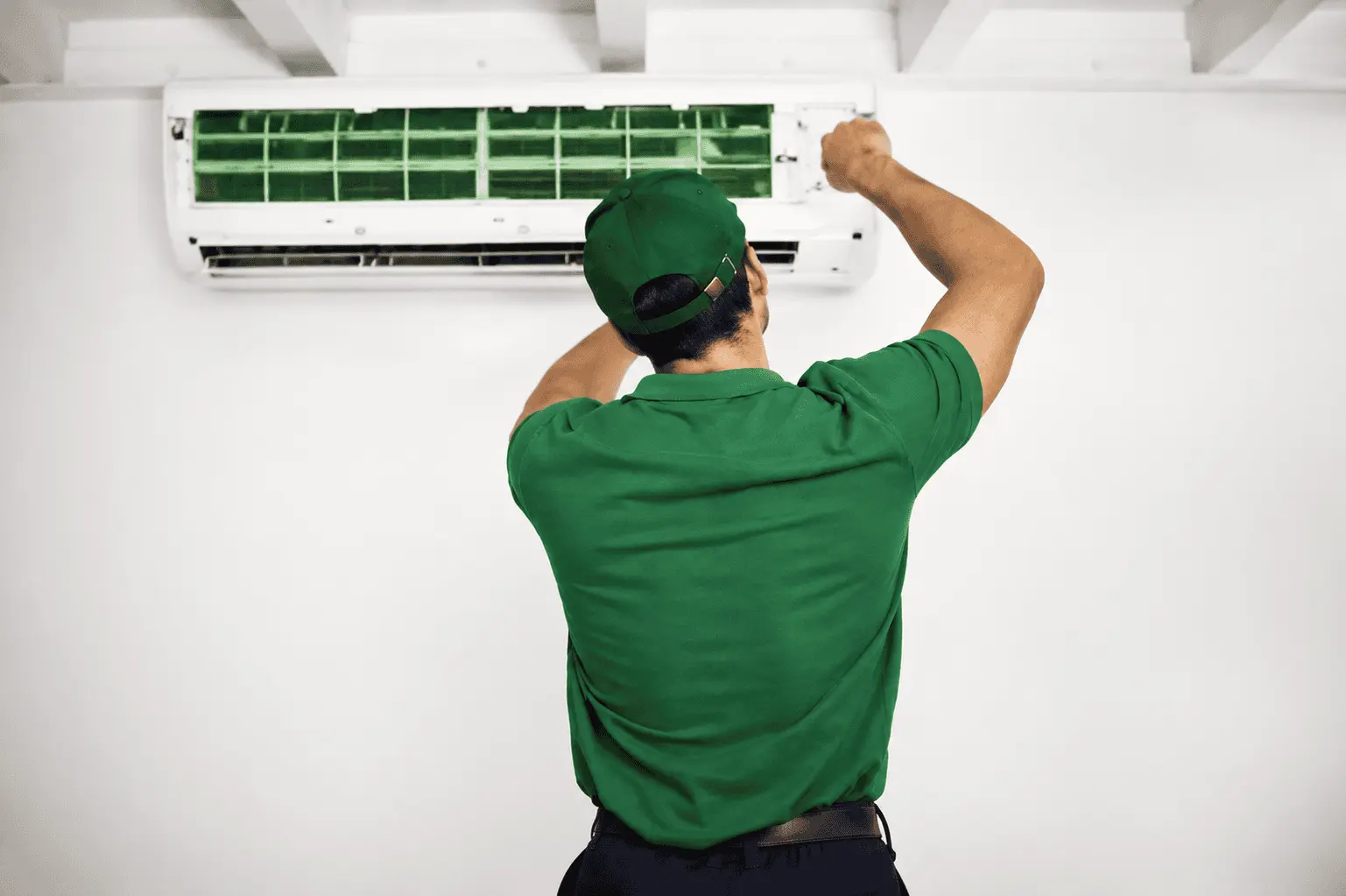
Professional HVAC services provide valuable assistance throughout the process of selecting, installing, and maintaining air conditioning equipment. Experienced technicians understand how different components interact and how installation decisions influence system performance. Their work may include evaluating cooling requirements, inspecting ductwork, checking electrical connections, installing equipment, configuring thermostats, and testing the completed system. These steps help reduce the likelihood of common installation problems and support dependable operation. A professional AC installation also gives homeowners an opportunity to receive practical recommendations about equipment maintenance, filter replacement, and efficient temperature settings. Method Air Utah provides HVAC-related services that homeowners can explore when planning cooling system improvements or evaluating their heating and cooling requirements. Working with an experienced service provider helps homeowners understand available options and make informed decisions about their equipment. Professional guidance can be particularly useful when replacing older systems or addressing recurring cooling problems that affect indoor comfort.
Testing the System After Installation
Testing is an essential final stage because it allows technicians to verify that the newly installed equipment is operating according to its intended specifications. Simply switching on an air conditioner does not confirm that every component is functioning correctly. Technicians should evaluate thermostat communication, airflow, electrical operation, refrigerant performance, condensate drainage, and overall cooling output. They may also inspect equipment connections and listen for unusual operating sounds that could indicate an installation issue. A complete AC installation should include appropriate operational checks before the project is considered finished. Homeowners should ask technicians to explain the system’s basic controls, recommended temperature settings, filter requirements, and maintenance schedule. Understanding how the new equipment operates makes it easier to recognize unusual changes in performance later. Proper testing provides additional confidence that the system is ready for regular use and that important installation details have been addressed.
Protecting Equipment Through Regular Maintenance
Regular maintenance helps preserve air conditioning performance by addressing the gradual accumulation of dust, debris, and wear that naturally occurs during operation. Homeowners should replace or clean filters according to manufacturer recommendations because restricted filters can reduce airflow and increase system strain. Outdoor condenser units should also remain clear of leaves, dirt, and other materials that may interfere with ventilation. Professional maintenance can include inspecting electrical connections, checking refrigerant performance, examining drainage systems, cleaning appropriate components, and evaluating thermostat operation. Even after a successful AC installation, neglecting routine care can gradually reduce cooling efficiency and increase the likelihood of unexpected breakdowns. Seasonal inspections allow technicians to identify developing concerns before they become more expensive problems. Homeowners should also pay attention to unusual noises, unexpected water accumulation, and changes in cooling performance. Consistent maintenance supports reliable operation and helps protect the investment made in new cooling equipment.
Managing Cooling Costs Throughout the Year
Managing cooling expenses requires a combination of suitable equipment, responsible operating habits, and attention to the home’s overall energy performance. Homeowners can reduce unnecessary cooling demand by using appropriate thermostat settings, closing windows when outdoor temperatures are high, and improving insulation where necessary. Sealing gaps around doors and windows can also help prevent conditioned air from escaping. Ceiling fans may improve perceived comfort by circulating indoor air, allowing occupants to use reasonable thermostat settings. A properly designed AC installation supports these efforts by providing equipment that matches the property’s cooling requirements and operates efficiently. Homeowners should also avoid setting extremely low thermostat temperatures in an attempt to cool rooms faster because this does not necessarily accelerate the cooling process. Instead, maintaining consistent settings and following a practical cooling schedule can help prevent unnecessary energy consumption. Combining efficient equipment with sensible household habits can contribute to more manageable electricity expenses.
Making the Right Investment for Long-Term Comfort
Purchasing a new air conditioner represents a significant investment, so homeowners should consider more than the initial equipment price when evaluating available options. System efficiency, installation quality, maintenance requirements, warranty coverage, and expected operating expenses all contribute to the overall value of the investment. Choosing inexpensive equipment without considering its suitability may result in higher operating costs or inadequate cooling performance. Similarly, selecting advanced equipment without evaluating the property’s actual requirements may not provide meaningful benefits. A professional ac installation helps homeowners understand these considerations and choose a system that offers an appropriate balance of performance, reliability, and affordability. Comparing equipment specifications and discussing available options with experienced HVAC professionals can make the decision-making process easier. Homeowners should also ask about recommended maintenance practices and warranty conditions before completing their purchase. A well-informed decision can support dependable cooling and provide greater value throughout the equipment’s service life.
Conclusion
A reliable air conditioning system is essential for maintaining comfortable indoor temperatures, managing humidity, and supporting everyday residential convenience. Achieving these benefits requires careful equipment selection, accurate sizing, suitable ductwork, proper electrical connections, and attention to important installation details. Professional AC installation helps homeowners avoid common mistakes while ensuring that cooling equipment is configured according to the property’s requirements. Regular maintenance, clean filters, appropriate thermostat settings, and seasonal inspections further contribute to consistent performance and long-term reliability. Whether upgrading outdated equipment or planning a new cooling system, homeowners should prioritize professional guidance and quality workmanship. Choosing suitable equipment and maintaining it properly can improve indoor comfort, support energy efficiency, and help create a dependable cooling environment for years to come.