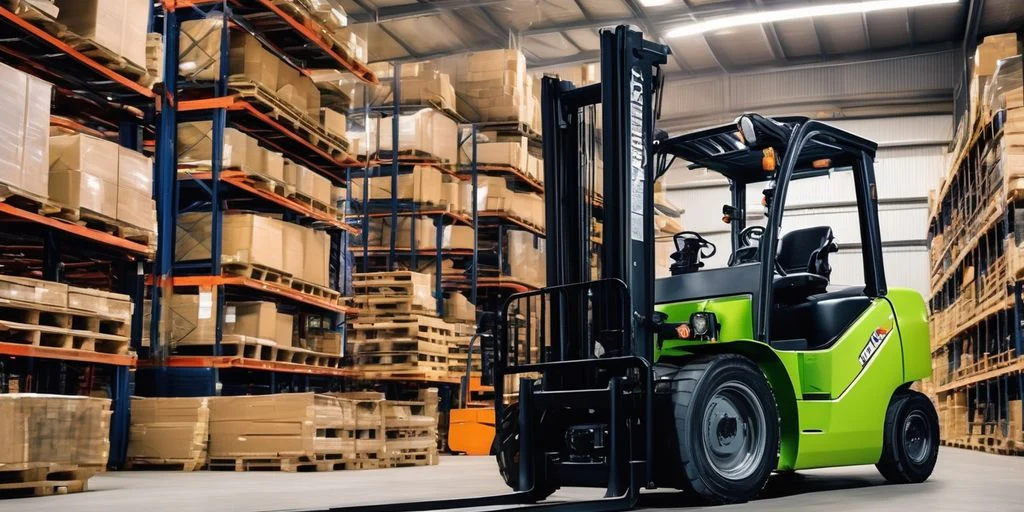
Forklifts are essential tools for businesses that depend on the safe and efficient movement of materials, products, and heavy loads. Warehouses, distribution centers, manufacturing facilities, construction operations, and industrial workplaces rely on these machines to complete demanding tasks while maintaining consistent productivity. However, even durable equipment experiences wear as components operate under pressure, carry heavy loads, and travel across different surfaces throughout the working day. Regular inspections, timely repairs, and preventive maintenance help keep equipment dependable while reducing the likelihood of unexpected interruptions. Professional forklift service supports these objectives by identifying mechanical concerns, maintaining essential systems, and helping businesses keep their equipment in suitable operating condition. When maintenance becomes part of a planned operational strategy rather than an occasional response to breakdowns, companies can improve workplace safety, manage expenses, protect equipment investments, and maintain smoother material-handling operations.
Preventive Maintenance
Preventive maintenance is one of the most effective ways to preserve forklift performance and minimize the disruption caused by equipment failure. Instead of waiting until a machine develops a serious problem, businesses can schedule inspections and maintenance activities according to manufacturer recommendations, operating hours, equipment condition, and workplace demands. These activities may include checking fluid levels, inspecting hydraulic hoses, examining tires, testing brakes, reviewing steering performance, and confirming that warning devices function correctly. Technicians can also identify loose connections, unusual wear, fluid leaks, and developing mechanical problems before they create more complicated repairs. A consistent maintenance schedule gives managers a clearer understanding of equipment condition and helps them plan service around operational requirements. This approach is particularly valuable for facilities that depend on forklifts throughout multiple shifts because even a relatively minor mechanical issue can affect loading schedules, inventory movement, and employee productivity when it remains unresolved.
The maintenance schedule for each forklift should reflect the way the machine is actually used rather than relying on a single routine for every piece of equipment. A forklift operating continuously in a busy distribution center may accumulate operating hours much faster than a machine used occasionally in a smaller storage facility. Equipment working around dust, moisture, uneven flooring, temperature changes, or heavy loads may also require closer attention to certain components. Maintenance records help businesses identify these differences and make informed decisions about inspection intervals, replacement parts, and repair priorities. Professional technicians can review usage patterns, evaluate recurring concerns, and recommend a maintenance plan that matches the equipment’s working environment. By connecting maintenance decisions with actual operating conditions, companies can avoid unnecessary servicing while making sure important inspections are not overlooked. A carefully managed program also makes it easier to budget for routine expenses and reduce the risk of expensive emergency repairs.
Early Problem Detection
Recognizing warning signs early can prevent a minor equipment concern from developing into a serious operational problem. Operators may notice unusual engine sounds, sluggish lifting, uneven movement, difficulty steering, fluid leaking beneath the machine, or changes in braking performance during normal use. Electric forklifts may show reduced battery performance, charging irregularities, electrical warnings, or inconsistent power delivery, while internal combustion models may develop engine, cooling, fuel, or transmission concerns. These symptoms should never be ignored simply because the equipment can still move or complete part of its assigned work. A machine that appears functional may still contain a developing fault that affects reliability or creates a safety risk. Operators should report unusual behavior promptly, document the symptoms where workplace procedures require it, and remove equipment from operation when it may be unsafe. Early reporting gives qualified technicians useful information and helps them investigate the underlying cause before additional components become damaged.
Detailed inspections are equally important because some mechanical problems do not produce obvious symptoms during everyday operation. Hydraulic seals may begin deteriorating before a significant leak appears, electrical connections may loosen gradually, and tires can develop wear patterns that affect traction and stability. Forks, chains, mast rollers, and lifting mechanisms also require careful examination because they directly influence the machine’s ability to handle loads safely. A professional inspection considers both visible conditions and the performance of important systems, helping identify concerns that an ordinary visual check might miss. Technicians may use diagnostic equipment, maintenance histories, manufacturer specifications, and practical testing procedures to determine whether a component needs adjustment, repair, or replacement. This systematic process reduces guesswork and supports more accurate maintenance decisions. When businesses encourage operators to report small changes and ensure that trained professionals investigate them, they create a more reliable approach to equipment care.
Safety First
Forklift safety depends on more than operator training and careful driving; the condition of the machine itself is equally important. Defective brakes, damaged tires, malfunctioning steering systems, worn forks, faulty warning alarms, and unreliable lifting controls can create serious hazards in busy workplaces. Before equipment is used, operators should complete the required pre-operation inspection and verify that essential controls and safety features are functioning properly. Seat belts, lights, horns, backup alarms, overhead guards, and other protective features should be checked according to the equipment design and workplace procedures. If an inspection reveals a condition that could make the forklift unsafe, the machine should be removed from service and reported to the responsible supervisor. Continuing to operate defective equipment can put operators, pedestrians, nearby employees, inventory, and facility infrastructure at risk. A strong safety program therefore combines routine operator checks, professional inspections, documented maintenance, and clear procedures for reporting and correcting equipment defects.
Professional maintenance also helps businesses understand how repairs and adjustments affect safe equipment operation. For example, worn lifting components may compromise load handling, while damaged tires can affect stability and maneuverability. Problems involving hydraulic systems can interfere with smooth lifting and lowering, and faults in braking or steering systems may reduce the operator’s ability to control the machine in crowded areas. Technicians should follow appropriate service procedures, use compatible replacement components, and verify the equipment’s condition before returning it to normal operation. Maintenance teams must also follow relevant workplace safety requirements when inspecting batteries, electrical systems, fuel systems, and hydraulic components. Employees should never attempt repairs that require qualifications, tools, or technical knowledge they do not possess. Establishing clear responsibilities between operators, supervisors, and service professionals helps ensure that potential hazards receive appropriate attention and that equipment is not returned to use until it is considered safe.
Hydraulic System Care
Hydraulic systems allow forklifts to raise, lower, and position heavy loads with controlled movement, making their condition essential to everyday productivity. These systems depend on suitable hydraulic fluid, functioning pumps, reliable cylinders, intact hoses, and effective seals to deliver consistent performance. Contamination, fluid deterioration, damaged hoses, or leaking connections can reduce lifting efficiency and place additional strain on other components. Businesses should include hydraulic inspections in their regular maintenance routines and pay attention to changes such as slow lifting, uneven mast movement, unusual noises, or visible fluid around fittings and cylinders. The correct fluid type and recommended replacement intervals should be determined by the equipment manufacturer’s instructions rather than assumptions. Qualified technicians can examine the system, identify worn parts, investigate pressure-related concerns, and carry out necessary repairs. Maintaining hydraulic components properly supports predictable load handling, reduces the possibility of fluid-related damage, and helps preserve the equipment’s overall working life.
The mast assembly and lifting mechanism also require attention because they support the controlled movement of loads at different heights. Chains, rollers, forks, and related components experience repeated mechanical stress during normal operation, particularly when forklifts handle heavy materials throughout the day. Excessive wear, improper adjustment, damaged parts, or inadequate lubrication may affect lifting performance and create unsafe conditions. Regular inspections should evaluate the condition of these components and identify signs of stretching, cracking, deformation, or abnormal movement. Loads must always remain within the forklift’s rated capacity, and operators should follow approved procedures when lifting, transporting, and lowering materials. If a lifting mechanism behaves unpredictably, the equipment should be assessed by qualified personnel before further use. Combining appropriate operating practices with scheduled mechanical inspections helps preserve lifting reliability while protecting the people who work around the machine.
Battery and Electrical Care
Electric forklifts depend on properly maintained batteries, chargers, electrical connections, and control systems to deliver consistent power throughout a shift. Battery condition can influence operating time, charging requirements, lifting performance, and overall equipment availability. Maintenance procedures should follow the specific battery technology and manufacturer instructions because different battery types have different inspection, charging, ventilation, and handling requirements. For applicable batteries, employees may need to monitor charging connections, inspect cables, check for visible damage, and follow approved watering or cleaning procedures. Charging areas should remain suitable for the equipment being used, and employees must follow required precautions when working with electrical systems. Damaged cables, overheating, unusual battery behavior, or charging faults should be reported promptly. Qualified technicians can investigate electrical problems, evaluate battery performance, and determine whether the issue involves the battery, charger, connections, or another component. Consistent attention to these systems helps businesses reduce avoidable interruptions and make better use of electric equipment.
Electrical maintenance is also important because modern forklifts may include electronic controllers, display panels, sensors, warning systems, and diagnostic features that support operation and monitoring. When an electrical fault develops, replacing a component without identifying the underlying cause may not resolve the problem. Technicians may need to inspect wiring, test connections, review diagnostic codes, and verify whether environmental conditions or mechanical faults have contributed to the issue. Moisture, vibration, contamination, and damaged insulation can affect electrical reliability over time, especially in demanding industrial environments. Keeping service records and reporting intermittent faults can help technicians recognize patterns that are difficult to identify during a brief inspection. Businesses should avoid unauthorized modifications and use components compatible with the equipment’s specifications. A careful approach to electrical diagnosis supports dependable performance and helps prevent repeated repairs that consume maintenance budgets without addressing the actual source of the problem.
Tires and Brakes
Tires and braking systems deserve consistent attention because they influence traction, stopping distance, maneuverability, and overall control. Forklifts operate on different surfaces, including smooth warehouse floors, loading areas, industrial yards, and uneven outdoor ground, so tire requirements depend on the application and equipment design. Worn tires, damaged wheels, incorrect tire selection, or uneven wear can affect stability and make movement less predictable. Maintenance inspections should look for visible damage, unusual wear patterns, loose components, and other signs that a tire needs professional attention. Businesses should also consider whether the existing tire type suits the surface conditions and the loads being handled. Braking systems require equally careful inspection because the ability to slow down and stop reliably is essential in areas where forklifts share space with pedestrians and other vehicles. Any change in braking response, unusual noise, or visible damage should be investigated promptly instead of being treated as a minor inconvenience.
The condition of tires and brakes can influence more than immediate safety because both systems affect operating efficiency and component wear. Poor tire condition may increase rolling resistance, reduce traction, and place additional demands on the equipment, while braking problems can make routine movements more difficult to control. Regular maintenance gives technicians an opportunity to identify worn components, investigate uneven performance, and recommend appropriate replacements before a failure interrupts operations. Replacement decisions should account for the forklift’s specifications, load requirements, surface conditions, and intended application. Employees should not improvise repairs or continue using equipment when its tires or braking systems appear defective. By maintaining these critical components according to manufacturer recommendations and workplace procedures, businesses can improve equipment reliability and support safer movement throughout their facilities.
Repair Planning
Even with preventive maintenance, forklifts may occasionally require repairs because of heavy use, accidental damage, component aging, or unexpected mechanical failure. Effective repair planning begins with a clear description of the problem, including when it occurred, what the operator observed, and whether warning indicators appeared. Maintenance records, operating-hour readings, equipment identification details, and previous repair information can help technicians diagnose the issue more efficiently. Once the cause is understood, businesses can compare repair options, determine the appropriate parts, and estimate how long the machine may remain unavailable. Decisions should consider safety, repair quality, equipment age, future maintenance needs, and the operational importance of the affected forklift. A repair that appears inexpensive initially may not be the most practical option if the same component repeatedly fails or if the underlying cause remains unresolved. Accurate diagnosis and transparent repair planning help businesses direct maintenance spending toward solutions that support long-term reliability.
Access to suitable replacement parts is another important consideration when repairing industrial equipment. Using components that do not meet the equipment’s specifications can affect performance, compatibility, reliability, and safety. Parts selection should account for the exact make, model, serial number, and component requirements, particularly when several machines within a fleet appear similar but use different configurations. Maintenance teams should also consider the availability of critical components when planning equipment purchases and scheduling major repairs. Keeping appropriate service records helps businesses identify parts that are replaced frequently and determine whether recurring failures suggest an underlying operational or maintenance issue. Working with an experienced equipment support provider can make it easier to identify compatible parts and coordinate installation when specialized knowledge is required. These practices help reduce unnecessary delays and ensure that repairs address the actual needs of the equipment rather than relying on unsuitable substitutes.
Managing Downtime
Unexpected equipment downtime can affect receiving schedules, order preparation, production targets, inventory movement, and delivery commitments. When a forklift becomes unavailable, employees may need to redistribute work, change established workflows, or use alternative equipment that is not ideal for the task. These adjustments can increase labor demands and create delays that extend beyond the original mechanical problem. Businesses can reduce the impact by identifying critical equipment, monitoring maintenance requirements, and developing clear procedures for reporting breakdowns. Managers should understand which machines support essential operations and determine how work will continue when one requires repair. Depending on the application, a suitable backup machine or rental arrangement may help maintain essential activities during an extended repair. The objective is not to eliminate every interruption, which may be unrealistic, but to prepare for foreseeable problems and resolve them without unnecessary confusion.
Reliable equipment support contributes to better downtime management by helping businesses coordinate inspections, repairs, replacement parts, and maintenance schedules. Before arranging service, companies should gather useful information about the affected machine, including its identification details, operating hours, symptoms, and recent maintenance history. Clear communication helps technicians understand the problem and prepare for the work that may be required. Businesses should also establish a process for confirming repair priorities and communicating equipment status to supervisors and operators. After the repair, relevant records should document the work completed, parts installed, and any recommendations for future maintenance. Reviewing these records can reveal recurring faults, identify equipment that needs closer monitoring, and support more informed replacement decisions. Over time, a consistent process for managing breakdowns can improve planning, reduce avoidable disruption, and help maintenance teams use their resources more effectively.
Choosing Expert Support
Selecting an experienced service provider is an important decision for businesses that rely on forklifts as part of their daily operations. A suitable provider should understand the equipment being maintained, offer clear communication, and have access to the technical knowledge and replacement components required for the work. Businesses should ask about technician qualifications, service options, maintenance scheduling, repair documentation, and the process for handling urgent equipment problems. It is also helpful to understand which services are included in a maintenance agreement and which repairs or parts may incur additional charges. The right arrangement depends on fleet size, equipment age, operating hours, application demands, and internal maintenance capabilities. A small operation with limited equipment may require a different support structure from a large facility that runs several machines across multiple shifts. Evaluating these factors helps businesses choose support that matches their operational needs instead of selecting a service plan based only on its initial price.
A comprehensive equipment support relationship can include routine inspections, scheduled maintenance, troubleshooting, repairs, parts assistance, and guidance on managing equipment performance. For companies with mixed fleets, it may be especially useful to work with a provider capable of supporting different makes and models while maintaining organized service records. Businesses can explore the available support options through forklift service,which provides material-handling equipment support, parts, and maintenance-related services. Before committing to a service arrangement, customers should discuss their equipment requirements, maintenance history, operating conditions, and expectations for communication. A written agreement should clearly explain the work covered, scheduling arrangements, billing structure, and procedures for handling repairs outside the normal maintenance scope. Clear expectations make it easier to coordinate service activities, evaluate results, and maintain accountability. By choosing support that fits the fleet and reviewing its effectiveness over time, businesses can establish a more dependable approach to equipment management.
Conclusion
Reliable forklifts contribute to safer workplaces, more efficient material movement, and better control over operating costs. Achieving these benefits requires consistent inspections, appropriate preventive maintenance, timely repairs, suitable replacement parts, and clear communication between operators, supervisors, and technicians. Businesses should pay particular attention to hydraulic systems, electrical components, batteries, tires, brakes, lifting mechanisms, and safety devices because problems in these areas can affect both productivity and operator protection. Maintenance schedules should reflect actual usage, equipment specifications, and workplace conditions, while detailed records can help identify recurring problems and guide future decisions. Professional forklift service gives businesses a structured way to address equipment concerns, protect valuable machinery, and reduce the operational disruption associated with avoidable breakdowns. By treating maintenance as an essential part of daily operations, organizations can improve equipment availability, support responsible equipment use, and build a stronger foundation for long-term productivity.