Introduction
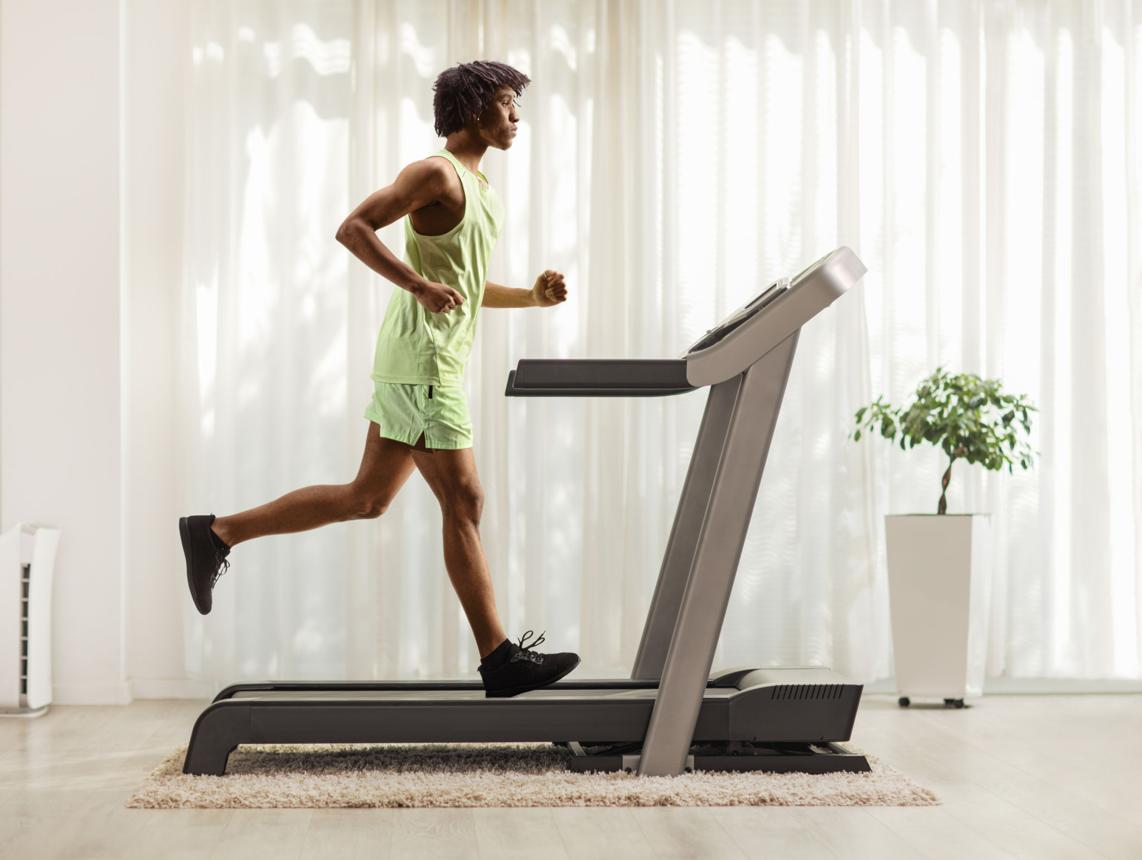
Cardiovascular exercise does not always require a gym membership, outdoor running routes, or complicated workout equipment. A treadmill can provide a convenient way to develop a consistent cardio routine at home, whether the goal is to walk more regularly, improve running stamina, or add variety to an existing fitness schedule. The key is not simply spending more time exercising. It is understanding how to structure sessions, adjust intensity, and gradually build a routine that fits everyday life.
Indoor treadmill training offers considerable flexibility. Users can choose their pace, decide how long to exercise, and adapt sessions according to their available time and experience. With a thoughtful approach, even relatively short workouts can become part of a well-organised weekly programme.
Understanding the Different Types of Cardio Sessions
A useful treadmill routine does not need to involve running at the same speed every day. Different training sessions serve different purposes, and alternating between them can make exercise more engaging.
Steady-state training is one of the simplest approaches. It involves maintaining a relatively consistent walking or running pace for a set period. Beginners may start with comfortable walking, while more experienced users might prefer a continuous jog. The objective is to find a manageable intensity that can be maintained without constantly changing the speed.
Interval training introduces planned changes in effort. For example, a person might alternate between a few minutes of brisk walking and a shorter period of faster movement. The faster sections should remain appropriate for the individual’s ability. Intervals can make a session feel more varied without requiring an extremely long workout.
Recovery sessions are equally important. These involve gentle walking or low-intensity movement rather than challenging exercise. They can help create a balanced schedule by providing an alternative to demanding workouts.
Why Consistency Matters More Than Intensity
One common mistake when starting a treadmill routine is attempting to do too much too soon. A demanding first session may feel productive, but it can also make the next workout less appealing. A more sustainable approach begins with a realistic amount of exercise and increases gradually.
For someone who has not exercised regularly, a short walking session may be a sensible starting point. The pace should allow comfortable movement and conversation. As confidence improves, the duration or speed can be adjusted in small steps.
Consistency is easier to maintain when exercise becomes part of an established daily routine. Some people prefer walking before breakfast, while others find an evening session more convenient. The best time is generally the one that can be repeated without creating unnecessary pressure.
A treadmill makes this flexibility possible because there is no need to travel to a fitness centre or wait for suitable outdoor conditions. A dedicated indoor setup can make it easier to fit movement around work, household responsibilities, and other commitments.
Choosing a Training Surface for Everyday Use
Comfort and practicality matter when selecting equipment for regular cardio exercise. The treadmill should suit the type of movement the user intends to perform, the available room, and the frequency of use.
A compact walking machine may be suitable for someone who mainly wants to add gentle movement to the day. Someone planning to alternate between walking and jogging may need a model with a higher speed range and a running surface that feels comfortable for their stride.
The dimensions of the belt deserve attention. A shorter or narrower surface may be adequate for controlled walking, but users who intend to run should consider whether the available space allows them to move naturally. Stability, controls, and the position of the display can also influence the overall experience.
For people comparing different options, exploring a loopband voor thuis can help them understand the range of treadmill designs available for indoor exercise. Rather than choosing a machine based only on appearance, it is worth considering how it will support the intended training style.
Structuring a Balanced Weekly Treadmill Routine
A weekly schedule can provide direction without making exercise feel overly complicated. The exact number of sessions should depend on current fitness, experience, recovery, and personal circumstances.
A beginner might start with three manageable sessions per week. Each could include a few minutes of easy movement, a comfortable walking period, and a gradual reduction in pace at the end. As the routine becomes familiar, the duration can be increased if it feels appropriate.
People with more experience may prefer to introduce different session types across the week. One day could focus on steady walking or jogging, another on controlled intervals, and another on a shorter recovery session. This approach creates variety while avoiding the expectation that every workout must be difficult.
Rest days should also be part of the plan. They provide time away from structured exercise and can help prevent a routine from becoming unnecessarily demanding. A balanced programme is not measured by how many challenging sessions can be completed in a row, but by how realistically it can be maintained.
Using Speed and Incline to Add Variety
Speed is one of the most accessible ways to adjust a treadmill workout. A small increase can make a walking session more challenging, while a slower pace can make movement more comfortable when energy levels are lower.
Incline provides another way to change the experience. Walking on a slight incline can create a different training demand compared with walking on a flat surface. However, users should begin with a modest setting and avoid making sudden adjustments that compromise balance or comfort.
There is no need to use the highest available speed or incline to make a session worthwhile. The appropriate setting depends on experience, movement quality, and the purpose of the workout. A controlled session at a comfortable pace is often more useful than an unnecessarily difficult one.
It is also important to understand the treadmill’s controls before starting. Users should know how to adjust speed, change incline where available, and stop the machine safely. Familiarity with these functions makes it easier to concentrate on the workout itself.
Making Interval Training More Manageable
Intervals can bring variety to indoor cardio sessions, but they do not have to be complicated. A simple format might involve alternating between comfortable walking and slightly faster walking for several rounds.
For example, someone could begin with five minutes of easy movement, continue with repeated periods of brisk and relaxed walking, and finish with a few minutes at a slower pace. The duration and intensity should be adapted to the individual’s experience. Those who are new to exercise can keep the faster periods short and avoid pushing beyond a comfortable effort.
More experienced users may choose to alternate walking and jogging, provided the treadmill is designed for that activity and they can maintain safe movement. The aim is to introduce controlled changes in effort rather than sprinting at maximum speed.
A useful benefit of intervals is that they give each session a clear structure. Instead of watching the clock throughout the workout, users can focus on completing one manageable section at a time.
Tracking Progress Without Becoming Obsessed With Numbers
Many treadmills provide information such as time, speed, distance, and estimated calories. These measurements can help users understand their sessions, but they should be treated as general indicators rather than perfect measures of physical effort.
Tracking workout duration is a straightforward way to monitor consistency. Someone who begins with short sessions may gradually increase the time spent walking as their routine develops. Recording the number of weekly workouts can also provide a useful overview.
It can be helpful to note how a session feels. Was the pace comfortable? Did the workout feel too demanding? Was there enough time for recovery before the next session? These observations can offer context that a display cannot provide.
Progress does not always mean moving faster or exercising for longer. Maintaining a regular schedule, feeling more confident with the equipment, and finding it easier to complete a familiar session can also represent meaningful improvements in routine.
Creating a Comfortable Indoor Training Environment
The surrounding environment can influence whether treadmill exercise becomes a regular habit. A clear, well-ventilated space with sufficient room around the machine can make workouts more practical.
Footwear should be suitable for walking or running, and clothing should allow comfortable movement. Keeping water nearby is a simple preparation step, particularly during longer sessions. A screen, television, or audio programme may also make indoor exercise more enjoyable, provided it does not distract from safe use.
Lighting is another practical consideration. Users should be able to see the treadmill controls and the surrounding floor clearly. Cables, loose objects, and furniture should be kept away from the walking area to reduce avoidable hazards.
It is worth establishing a simple routine before each workout: check the surrounding space, position the safety key if the treadmill has one, start at a low speed, and increase the pace gradually. At the end, slow down before stepping off the machine.
What to Consider Before Buying a Treadmill
Selecting a treadmill is easier when the intended use is clear. A person who mainly wants to walk indoors may have different requirements from someone who plans to run several times a week.
Before making a purchase, consider the following points:
- Intended activity: Decide whether the machine will mainly be used for walking, jogging, or running.
- Speed range: Check that the available speeds suit the planned workouts.
- Running surface: Compare the belt dimensions with the user’s stride and preferred activity.
- Incline options: Consider whether adjustable incline is useful for adding variety.
- Available space: Measure the intended location and check the machine’s dimensions when in use and when folded, if applicable.
- Controls and display: Look for settings that are easy to understand and operate.
- Storage and movement: Consider whether the machine needs to be folded or moved after exercise.
- Maintenance: Review the manufacturer’s care instructions and requirements for keeping the equipment in suitable condition.
Taking time to compare these details can prevent a purchase based solely on appearance or a long list of features. A practical machine that fits the user’s space and exercise habits is generally a better choice than equipment with functions that are unlikely to be used.
Anyone planning to loopband kopen should compare available models carefully and consider both immediate needs and likely long-term use. A clear understanding of the intended workout routine makes it easier to identify which features are genuinely valuable.
Listening to Your Body and Exercising Safely
A well-planned treadmill routine should leave room for flexibility. Energy levels can change from one day to another, and it is reasonable to reduce the pace or shorten a session when needed.
Warm-ups and cool-downs should not be overlooked. Beginning with gentle movement gives the body time to adjust, while slowing down at the end provides a more gradual transition away from exercise. Sudden changes in speed can make treadmill use less comfortable, particularly for beginners.
Users should stop if they experience unusual pain, dizziness, chest discomfort, or significant breathlessness. Anyone with a medical concern or uncertainty about starting an exercise programme should seek appropriate professional guidance before increasing activity.
Safety also involves using the treadmill according to its instructions. Avoid stepping onto a moving belt at an unfamiliar speed, keep children away from operating equipment, and use safety features where provided.
Turning Indoor Cardio Into a Long-Term Routine
The most effective treadmill programme is one that fits naturally into everyday life. It does not have to involve complicated training plans or constant increases in intensity. A combination of comfortable sessions, occasional variation, suitable recovery, and gradual progression can make indoor exercise easier to maintain.
Start with a realistic schedule, learn how the equipment works, and choose workouts that match current ability. Over time, users can adjust their sessions as their preferences and confidence develop.
A treadmill offers control over pace, timing, and workout structure. With sensible planning, it can become a practical part of a balanced lifestyle and provide a reliable way to stay active throughout the year.