A properly designed plumbing system is essential for maintaining the functionality, comfort, and safety of any residential or commercial property. Water pipes are responsible for transporting clean water to kitchens, bathrooms, laundry rooms, utility areas, and different appliances that support everyday activities. They also play an important role in carrying wastewater away from fixtures and maintaining proper sanitation throughout the building. Although most plumbing pipes remain hidden behind walls, beneath floors, or inside cabinets, their condition directly affects the performance of the entire property. Poorly installed pipes, unsuitable materials, incorrect measurements, and weak connections can create problems such as water pressure fluctuations, restricted flow, recurring leaks, and unexpected property damage. Professional pipe installation helps establish a dependable plumbing network by ensuring that every component is selected, positioned, and connected according to the property’s requirements. Investing in proper installation from the beginning can reduce future maintenance concerns, improve water distribution, and provide long-term confidence in the performance of the plumbing system.
Understanding Plumbing Systems
A plumbing system consists of several interconnected components that work together to distribute clean water and remove wastewater efficiently. Supply pipes transport water from the main connection to individual fixtures, while drainage pipes carry used water away from sinks, toilets, showers, bathtubs, and appliances. Additional components, including valves, connectors, fittings, vents, and supporting brackets, help regulate and maintain the performance of the system. Each component has a specific purpose, and its placement must be considered when designing an effective plumbing arrangement. If one section is incorrectly sized or poorly connected, it can affect water movement throughout the network and create difficulties for other fixtures. Understanding the relationship between these components is important because a successful plumbing project involves much more than simply connecting individual pipes. It requires a complete design that considers water demand, drainage requirements, accessibility, and the property’s structural layout.Modern properties often have more complicated plumbing requirements than older buildings because they may include multiple bathrooms, large kitchens, additional laundry facilities, water heaters, dishwashers, and several other appliances. Each installation requires suitable supply and drainage connections that can support regular usage without affecting the performance of other fixtures. Professional plumbers evaluate these requirements before determining how pipes should be routed throughout the building. They also consider the location of the main water supply, existing drainage arrangements, and areas where future maintenance may be necessary. Proper planning helps create an organized plumbing network that provides dependable water distribution while reducing unnecessary connections and installation complications.
Selecting Quality Materials
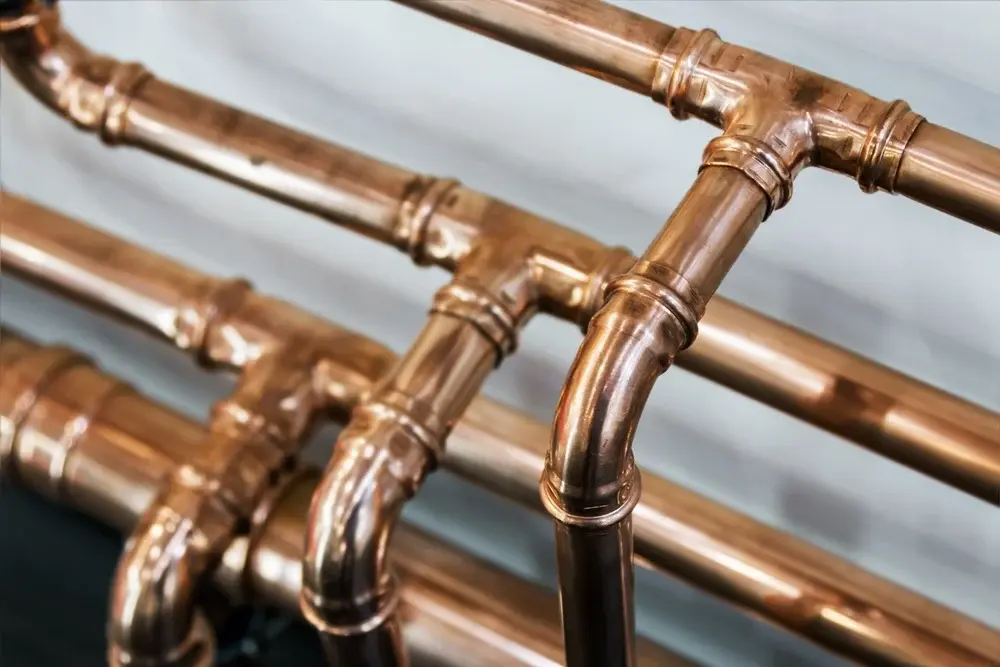
Choosing appropriate materials is one of the most important decisions during a plumbing project because different pipe types offer different levels of flexibility, durability, temperature resistance, and performance. Copper, PEX, CPVC, and PVC are among the materials commonly used in different plumbing applications, although their suitability depends on the intended purpose and applicable installation requirements. Copper pipes are valued for their strength and durability, making them a traditional option for certain water supply applications. PEX piping offers flexibility and can simplify installation in areas where rigid piping would require numerous fittings. CPVC is used in suitable hot and cold water systems, while PVC is commonly selected for appropriate drainage applications. Each material has specific installation requirements, and selecting the wrong product can create compatibility problems or reduce the expected lifespan of the plumbing system.Material selection should also consider the property’s operating conditions, water pressure, temperature exposure, and existing plumbing configuration. Professional plumbers understand that a pipe’s quality alone does not determine the reliability of the complete installation. Connectors, valves, adapters, seals, and supporting components must also be compatible with the selected piping material. Using unsuitable fittings or combining incompatible products can create weak points that eventually affect the system’s performance. Quality materials installed according to appropriate specifications provide a stronger foundation for dependable plumbing operation. Property owners should therefore consider long-term durability and maintenance requirements rather than choosing products based only on their initial purchase price.
Planning Pipe Layouts
A successful plumbing project begins with a carefully developed layout that identifies where supply and drainage lines should be installed. Professionals examine the building’s design, the location of plumbing fixtures, and the available routes for connecting individual areas to the main plumbing network. Kitchens, bathrooms, laundry rooms, and utility spaces must receive suitable water connections while maintaining practical access to valves and other components. The layout should avoid unnecessary pipe bends, complicated junctions, and routes that could interfere with structural elements or other building systems. Proper planning also makes it easier to identify installation challenges before work begins, reducing the possibility of unexpected changes during construction or renovation.Pipe routing should balance installation efficiency with long-term maintenance requirements. Pipes placed in inaccessible areas may become difficult to inspect or repair if problems develop later. Professionals consider where access panels, shutoff valves, and important connections should be positioned so that future maintenance can be completed without unnecessary damage to finished surfaces. They also account for insulation requirements and suitable pipe supports where necessary. An organized plumbing layout helps maintain consistent performance while making the system easier to understand and manage. This preparation is particularly important for larger properties where several plumbing lines must work together to support multiple fixtures and appliances.
Proper Pipe Sizing
Selecting the correct pipe dimensions is essential for maintaining suitable water flow throughout the property. Pipes that are too narrow may restrict water movement and cause reduced pressure when several fixtures are being used simultaneously. This can create inconvenience when someone is taking a shower while another person is using a kitchen faucet or running an appliance. Pipes that are unnecessarily large may increase material expenses without providing meaningful improvements in everyday performance. Professional plumbers consider the number of fixtures, expected water demand, pipe length, available pressure, and plumbing configuration when determining suitable dimensions. Proper calculations help ensure that the system can deliver water efficiently without placing unnecessary stress on individual sections.Drainage pipes also require appropriate sizing because their dimensions influence how effectively wastewater moves through the system. Undersized drainage lines may become more vulnerable to blockages, particularly when they serve multiple fixtures. The slope and arrangement of drainage connections are equally important because wastewater systems often rely on gravity to move used water toward the main drainage connection. Incorrect dimensions or unsuitable positioning can contribute to slow drainage, unpleasant odors, and recurring plumbing problems. A professionally designed system accounts for these requirements from the beginning, helping property owners avoid unnecessary complications and maintain effective drainage performance.
Residential Plumbing
Residential properties depend on reliable plumbing connections to support daily household routines. Kitchens require properly installed pipes for sinks, dishwashers, refrigerators, and other appliances, while bathrooms need dependable supply and drainage lines for toilets, showers, bathtubs, and washbasins. Laundry rooms also require suitable connections to deliver water to washing machines and remove wastewater efficiently. Every fixture has specific connection requirements, which means each pipe must be installed using appropriate materials and compatible fittings. Poorly connected supply lines can cause water loss, while incorrectly positioned drainage pipes may create slow-flowing drains and recurring blockages. Professional installation helps ensure that the plumbing network supports all household fixtures without unnecessary restrictions or weak connections.New construction projects provide an opportunity to develop a plumbing arrangement according to the complete building design. Professionals can plan the location of supply lines, drainage connections, valves, and appliance outlets before walls and floors are completed. This allows important components to be positioned efficiently and makes future maintenance easier. Renovation projects may require additional planning because existing pipes can be outdated, poorly positioned, or incompatible with new fixtures. When homeowners relocate a kitchen sink, add another bathroom, or upgrade laundry facilities, the plumbing system may need modifications to support the new arrangement. An experienced professional can assess existing components and determine which sections should be replaced, extended, or reconnected.
Water Supply Lines
Water supply lines transport clean water from the main connection to different fixtures and appliances throughout a property. These lines must be properly sized and securely connected to maintain consistent delivery under normal operating conditions. A supply network usually contains a main line, branch connections, individual fixture lines, shutoff valves, and different fittings that regulate or direct water movement. Every connection requires careful attention because even a small installation mistake can create a weak point where water may escape. Professional plumbers use suitable joining methods and compatible materials to create dependable connections that can withstand regular pressure and everyday usage.The location of shutoff valves is another important consideration when installing supply lines. Accessible valves allow individual fixtures or sections of the plumbing system to be isolated when maintenance or repairs become necessary. Without properly positioned valves, a relatively small plumbing problem may require shutting off the water supply to a much larger portion of the property. Professionals consider these practical requirements when developing the plumbing layout. They also evaluate water pressure and the distance between the main supply and individual fixtures to ensure that the system can provide suitable flow throughout the building. A well-planned supply network improves convenience and supports the efficient operation of connected appliances.
Drainage Connections
Drainage pipes are responsible for carrying wastewater away from sinks, showers, toilets, bathtubs, and appliances. Their installation requires careful planning because wastewater must move through the system without unnecessary restrictions or accumulation. Drainage lines generally depend on gravity, making pipe slope and positioning important factors in determining how effectively water flows toward the main drainage connection. If pipes are installed at unsuitable angles, waste and debris may collect inside the system and contribute to recurring blockages. Professional plumbers determine appropriate dimensions and slopes according to the drainage arrangement and the fixtures being connected. They also ensure that joints are properly secured to prevent wastewater from escaping into surrounding areas.Every drainage network also requires suitable venting to support proper pressure balance and effective wastewater movement. Vent pipes allow air to enter the system and help protect fixture traps from pressure changes that could interfere with normal drainage. Without appropriate venting, homeowners may experience gurgling sounds, slow drains, or unpleasant odors coming from plumbing fixtures. Professionals understand how drainage and ventilation components work together and incorporate the necessary arrangements into the overall plumbing design. Properly installed drainage connections improve sanitation, reduce maintenance concerns, and help ensure that wastewater is removed efficiently from the property.
Kitchen Pipe Installation
Kitchen plumbing is used frequently throughout the day, making reliable connections especially important in this area of the property. Kitchen sinks require suitable water supply and drainage pipes, while dishwashers and refrigerators may need additional connections depending on their features. Garbage disposals also require compatible drainage arrangements to support their operation. Because these fixtures are often installed inside cabinets or beneath countertops, plumbing connections should be positioned carefully to maintain accessibility and protect surrounding materials. Poorly installed pipes can cause dripping connections, unpleasant odors, restricted drainage, and moisture accumulation inside cabinets. Professional installation helps ensure that every fixture receives the appropriate connections and that the available cabinet space is used efficiently.Kitchen plumbing improvements may also be necessary during renovation projects when homeowners change the position of sinks, install larger appliances, or redesign their cabinetry. These modifications can require new pipe routes or adjustments to existing supply and drainage lines. Professionals evaluate the available space and determine how the plumbing network can accommodate the updated layout without creating unnecessary bends or difficult connections. They also consider the location of shutoff valves so that water can be isolated when appliance maintenance becomes necessary. Careful planning protects kitchen surfaces and helps maintain dependable plumbing performance even when the arrangement of fixtures changes.
Bathroom Pipe Installation
Bathrooms contain several plumbing fixtures that depend on properly installed supply and drainage lines. Toilets, showers, bathtubs, and washbasins require secure connections to provide clean water and remove wastewater effectively. These installations must be coordinated carefully because several fixtures may share sections of the same plumbing network. Incorrectly positioned pipes can affect water pressure, interfere with drainage, or create difficulties when installing bathroom fixtures and accessories. Professional plumbers consider the placement of each fixture before routing the pipes and ensure that the necessary connections are accessible for future maintenance. They also pay attention to waterproofing requirements around plumbing penetrations to help protect walls, floors, and surrounding building materials from moisture.Bathroom renovation projects frequently require plumbing modifications because homeowners may relocate fixtures, install modern showers, or replace traditional bathtubs with different designs. These improvements can affect both water supply and drainage arrangements, making professional assessment important before construction begins. Existing pipes should be examined for deterioration, corrosion, or previous installation problems that could interfere with the new layout. Replacing unsuitable sections during renovation can reduce the possibility of future plumbing complications and provide a more dependable foundation for upgraded fixtures. Properly installed bathroom pipes contribute to reliable water delivery, effective drainage, and the long-term protection of finished surfaces.
Replacing Old Pipes
Older plumbing systems may eventually require replacement because continuous use and environmental conditions can gradually affect pipe materials. Corrosion, mineral buildup, restricted water flow, recurring leaks, and visible deterioration are common reasons property owners consider upgrading their plumbing networks. Although individual problems may sometimes be addressed through localized repairs, repeated failures across different sections can indicate that the existing system requires more extensive attention. A professional inspection helps determine whether damaged sections can be replaced individually or whether a broader upgrade would provide better long-term value. Replacing deteriorated pipes with suitable modern materials can improve water movement and reduce the possibility of recurring plumbing problems.Pipe replacement requires careful preparation because existing lines may be hidden behind drywall, beneath flooring, or inside confined utility areas. Professionals identify the affected sections, evaluate the surrounding plumbing connections, and plan how old materials can be removed without creating unnecessary disruption. New pipes must be measured accurately, connected using appropriate methods, and supported correctly to maintain their position during everyday operation. After installation, the system should be inspected and tested before surrounding surfaces are restored. This process helps confirm that the replacement work has been completed properly and that the new connections are functioning as expected. Addressing nearby deteriorating fittings at the same time may also help reduce future maintenance requirements.
Preventing Plumbing Leaks
Preventing water loss begins with careful installation and the use of suitable materials throughout the plumbing network. Pipes must be cut accurately, connections should be aligned properly, and fittings must be compatible with the selected piping material. Incorrect joining techniques can weaken joints and create opportunities for water to escape after the system begins operating. Proper pipe supports are also necessary because unsupported lines may shift, vibrate, or experience additional stress during normal water movement. Professionals install suitable supports while allowing for the expansion and contraction that certain materials experience when temperatures change. These installation details help maintain secure connections and reduce the possibility of future plumbing failures.Regular maintenance also plays an important role in preventing water-related damage. Property owners should periodically examine accessible pipes, check connections beneath sinks, and inspect appliance supply hoses for signs of deterioration. Unexpected increases in water bills, unusual sounds, damp surfaces, and changes in water pressure may indicate that a plumbing component needs attention. Professional inspections can identify developing problems before they affect surrounding building materials or require extensive repairs. Maintaining appropriate water pressure and replacing worn components when necessary can help preserve the performance of the plumbing system. A combination of proper installation and consistent maintenance provides stronger protection against avoidable water damage.
Professional Installation Process
A professional plumbing project usually begins with an assessment of the property and a discussion of the owner’s requirements. During this stage, plumbers evaluate existing connections, examine the building layout, identify fixture locations, and determine which materials are suitable for the intended application. They then develop an installation plan that considers pipe dimensions, connection points, drainage arrangements, and accessibility. Once the design has been established, the required materials and tools can be prepared before installation begins. Proper preparation helps keep the project organized and reduces the possibility of unnecessary delays caused by missing components or incorrect measurements.During the installation stage, professionals measure and cut pipes, prepare connections, secure fittings, and position the lines according to the planned layout. Each section must be connected carefully because the quality of individual joints affects the reliability of the complete network. Supply lines, drainage connections, and valves are installed according to their intended functions, while suitable supports help maintain the position of exposed and concealed piping. Once the work is complete, the system should be tested to identify possible leaks, pressure problems, or drainage issues. These checks are especially important before walls, cabinets, or floors are closed because correcting installation problems is easier while the plumbing remains accessible.
Plumbing Maintenance
Maintaining a plumbing system after installation helps preserve its condition and supports dependable performance over time. Pipes and fittings experience continuous use, and certain components may gradually deteriorate because of water pressure, mineral accumulation, temperature changes, and ordinary wear. Property owners should periodically inspect visible plumbing connections, examine areas beneath sinks, and check around appliances that use water. Any unusual moisture, corrosion, or changes in water pressure should be investigated rather than ignored. Regular inspections can help identify small concerns before they develop into larger problems that affect building materials or household activities.The maintenance schedule should reflect the age of the plumbing system, the materials used, and the amount of daily water consumption. Older properties may require more frequent professional assessments because their pipes and fittings have experienced years of continuous operation. Newer installations also benefit from occasional inspections to ensure that connections remain secure and that the system continues functioning properly. Keeping records of installation work, previous repairs, and material specifications can make future maintenance more straightforward. Property owners should also know the location of the main shutoff valve so that they can stop the water supply quickly if a major plumbing failure occurs. These practical measures support the long-term reliability of the system and help protect the property from unnecessary water damage.
Choosing Reliable Plumbers
Choosing experienced plumbing professionals is essential because installation quality directly influences the performance and durability of the plumbing system. Property owners should look for service providers who understand different pipe materials, connection methods, water pressure requirements, and drainage configurations. Experience with residential and commercial plumbing projects is valuable because each property presents different challenges involving structural layouts, fixture locations, and existing plumbing conditions. A dependable plumber should inspect the project before recommending materials or installation methods, explain the required work, and provide clear information about the process. Good communication allows property owners to understand their options and make informed decisions about their plumbing improvements.Roland Black provides plumbing services that help property owners address their plumbing requirements and maintain dependable water systems. Those planning new plumbing work or upgrading existing connections can explore pipe installation services and learn more about available solutions through the company’s website. Professional assistance can help ensure that the selected materials are suitable, the plumbing layout is properly planned, and every connection is installed according to appropriate requirements. Whether a project involves replacing aging pipes, modifying supply lines, improving drainage connections, or adding plumbing for new fixtures, experienced workmanship can make a meaningful difference in the final results. Choosing a knowledgeable plumbing service provider from the beginning can help reduce installation complications and support reliable performance for years.
Conclusion
A strong and dependable plumbing system begins with appropriate materials, careful planning, accurate measurements, and professional workmanship. Every pipe, fitting, valve, and drainage connection contributes to the overall performance of a property, making installation quality essential for long-term reliability. Incorrect sizing, weak connections, unsuitable materials, and poorly designed drainage arrangements can create problems that affect water delivery, sanitation, and everyday convenience. Professional pipe installation provides a practical foundation for an efficient plumbing network that supports residential and commercial requirements while reducing the possibility of leaks, pressure fluctuations, and drainage complications. By working with experienced plumbing professionals, arranging appropriate inspections, and maintaining important plumbing components, property owners can protect their investments and enjoy a reliable plumbing system designed to meet their needs for the long term.