Transporting heavy industrial or agricultural equipment across vast distances involves more than just driving a truck from one point to another. It requires a disciplined approach to safety, mechanical integrity, and regulatory adherence. When machinery stays in transit for hundreds or thousands of miles, it is subjected to constant vibrations, varying weather conditions, and high-speed wind resistance. Failing to prepare the hardware correctly can result in expensive damage or hazardous road conditions.
Initial Cleaning and Damage Assessment
The first step in any relocation project is a thorough cleaning of the entire machine. Removing accumulated mud, grease, and debris is not merely for aesthetics. A clean machine allows for a clear inspection of the structural frame, hydraulic lines, and electrical connections. During this phase, inspectors can identify hairline fractures or leaks that might worsen under the stress of a long trip.
Beyond inspection, cleaning is vital for weight accuracy. Excessive mud can add hundreds of pounds to a load, potentially pushing a shipment over legal weight limits. Furthermore, many regions have strict biosecurity laws regarding the transport of soil and plant matter across state lines. Ensuring the equipment is free of organic material helps avoid delays at inspection stations.
Managing Mechanical Fluids and Power Systems
Long-distance transport necessitates specific attention to the internal systems of the machinery. Fluids must be checked, but not necessarily filled to the brim. In some cases, extreme temperature fluctuations during transit can cause fluids to expand. It is often recommended to maintain levels at the manufacturer’s specified minimum for transport while ensuring all caps and seals are tightened to prevent leaks.
Batteries are a significant concern during extended hauls. Disconnecting the battery prevents parasitic power drains and eliminates the risk of an electrical short circuit during the journey. If the machine is being moved in cold climates, the battery should be secured or removed entirely to prevent freezing and casing failure. Additionally, if the equipment features sensitive electronic displays or GPS units, these should be removed or covered with specialized protective materials to shield them from vibration and solar heat.
Securing Moving Parts and Attachments
Every piece of heavy machinery has components designed to move, such as booms, buckets, blades, or cabs. During a long-distance move, these parts must be completely immobilized. Most heavy hardware comes with transport locks or pins specifically designed for this purpose. Using these built-in safety features is the primary way to prevent mechanical failure during the trip.
For components that do not have dedicated locking mechanisms, heavy-duty chains and specialized bracing are required. If a machine has a rotating upper structure, it must be locked in a position that aligns with the trailer’s center of gravity. Loose attachments like extra buckets or specialized tools should be detached and secured separately on the trailer deck to ensure they do not shift and cause an imbalance.
Protection Against Environmental Factors
Wind is a powerful force when a machine is traveling at highway speeds. Open exhaust pipes should be covered to prevent air from forcing the turbocharger to spin without lubrication, which can cause internal engine damage. Similarly, any glass surfaces, such as cab windows or mirrors, should be protected. While heavy-duty tempered glass is strong, a single rock kicked up by a passing vehicle can cause a shatter that leads to significant downtime upon arrival.
Using high-quality covers for seats and controls is also advisable if the machinery is being transported on an open deck. This prevents damage from UV rays, rain, and road salt. If the journey takes the equipment through mountainous regions during winter, the application of a temporary anti-corrosion spray can protect exposed metal from salt spray.
Selecting the Appropriate Transport Deck
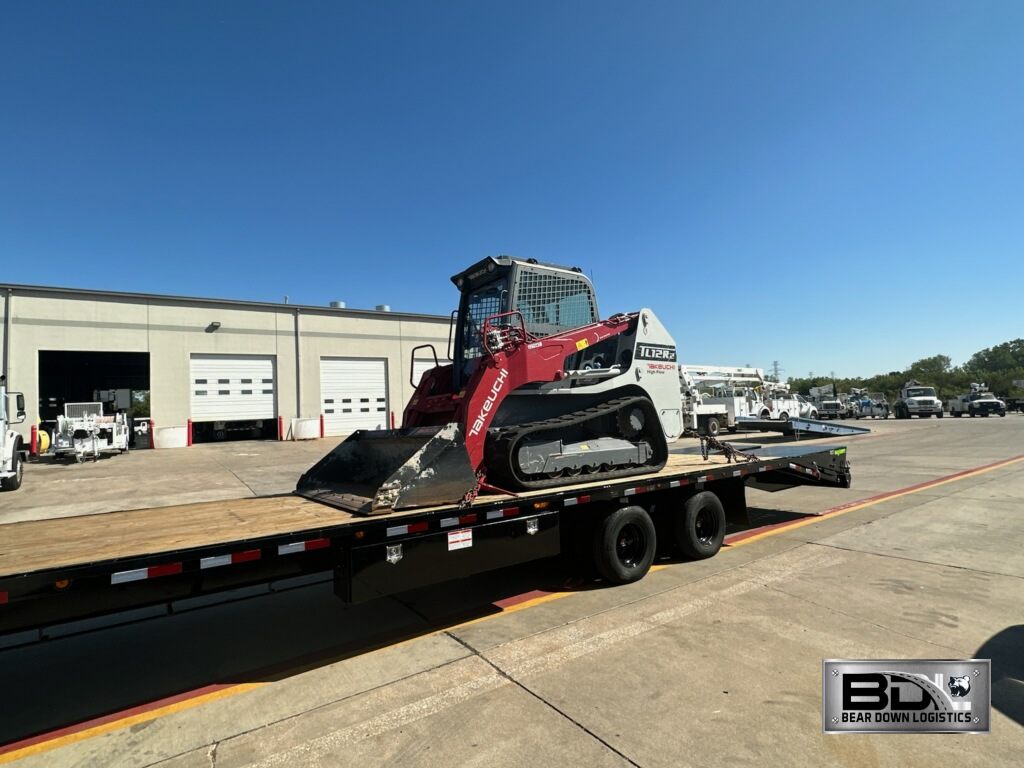
The choice of trailer is perhaps the most critical logistical decision. The height, width, and weight of the machine dictate whether a flatbed, step-deck, or removable gooseneck (RGN) trailer is necessary. Ensuring the trailer has a rated capacity that exceeds the weight of the load is a fundamental safety requirement.
Logistics managers often look for regional suppliers to ensure they have the right equipment for the job. For instance, finding specialized cargo trailers for sale in Utah might be a priority for a firm operating in the Intermountain West to ensure their fleet is up to the task of traversing rugged terrain. The trailer must have sufficient D-rings and tie-down points to accommodate the specific dimensions of the machinery being moved.
Regulatory Compliance and Documentation
A long-distance move often involves crossing multiple jurisdictions, each with its own set of rules for oversized loads. Obtaining the necessary permits for width, height, and weight must be done well in advance. Drivers must also be aware of restricted routes, such as bridges with low weight ratings or tunnels with height limitations.
All documentation, including the bill of lading, insurance certificates, and permit copies, should be organized and easily accessible. It is also wise to take high-resolution photographs of the machinery from all angles once it is loaded and secured. This provides a clear record of the equipment’s condition prior to departure, which is essential for insurance purposes should any disputes arise regarding transit damage.
Final Safety Walk-Around
Before the transport vehicle leaves the facility, a final walk-around is mandatory. This involves checking every chain, binder, and strap to ensure they are tight and properly angled. A common rule is to check the load again after the first few miles of travel, as the initial movement of the truck often causes the machinery to settle, which can slightly loosen the tie-downs. By following this systematic checklist, operators can ensure that their valuable machinery arrives at its destination ready for immediate operation.