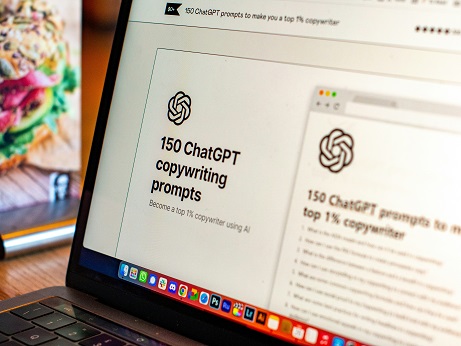
Artificial intelligence (AI) has become an integral part of various industries, and content creation is no exception. The infusion of AI technologies into creative processes is transforming how content is developed, curated, and delivered. In essence, AI refers to systems or machines that mimic human intelligence to perform tasks and improve continuously. In the realm of content creation, AI tools are increasingly utilized for generating written material, producing visual elements, and even maintaining audience engagement. The adoption of AI in creative environments stems from a growing recognition of its potential benefits. AI can process vast amounts of data in a fraction of the time it takes a human, enabling content creators to analyze trends, identify effective strategies, and optimize their output. For instance, tools equipped with natural language processing (NLP) capabilities can assist writers in generating drafts, suggesting keywords, and ensuring consistency in tone and style. By streamlining these processes, AI not only enhances efficiency but also allows human creatives to focus on higher-level strategic thinking.
Moreover, AI deployment does not equate to the replacement of human ingenuity. Rather, it complements and amplifies human creativity by providing valuable insights and automating repetitive tasks. For example, AI-driven analytics can reveal audience preferences, helping content creators tailor their narratives to improve engagement. This synergy ultimately leads to the production of quality content that resonates with audiences while saving valuable time in the content creation cycle.
As we observe the relentless advancement of AI in this domain, it is crucial to explore how this technology shapes the landscape of content creation. Understanding the scope of AI’s influence will reveal its transformative power while maintaining the essence of human creativity.
The Technology Behind AI Content Creation
The landscape of content creation is undergoing a significant transformation, driven largely by advancements in various technologies, particularly natural language processing (NLP), machine learning, and generative design. These technologies collectively enable machines to understand and produce human-like text, making the content generation process more efficient and tailored.
Natural language processing is a branch of artificial intelligence that focuses on the interaction between computers and humans through natural language. It allows AI systems to comprehend, interpret, and generate text in a way that mimics human communication. For instance, NLP algorithms analyze vast amounts of text data, learning from context, tone, and structure, which enables them to produce coherent and contextually relevant content.
Machine learning, a subset of artificial intelligence, plays a crucial role in content creation by allowing AI systems to learn from experience. Through training on large datasets, machine learning models improve their output over time, becoming more adept at generating high-quality content. These systems utilize various algorithms to identify patterns, optimize language, and enhance overall content relevance. As a result, they can adapt content to different audiences and niches based on specific themes and keywords.
Generative design also contributes to the evolution of content production by automating the creative process. This technology utilizes algorithms to generate unique content based on predefined parameters and objectives. By harnessing the power of generative design, AI systems can create innovative and diverse pieces of writing tailored to various formats, such as articles, blogs, or marketing materials.
Together, these technologies—NLP, machine learning, and generative design—form the backbone of AI content creation, allowing for the efficient generation, editing, and optimization of content that meets the needs of both creators and consumers. As these technologies continue to evolve, they hold great potential to reshape the future of content production.
Benefits of Using AI in Content Creation
The integration of artificial intelligence (AI) in content creation brings forth numerous advantages that enhance the overall development process. One of the primary benefits is increased efficiency. AI tools can process vast amounts of data at remarkable speeds, significantly reducing the time it takes to create content. This automation allows writers and marketers to focus more on strategic aspects of their work, such as ideation and creative brainstorming.
Cost savings is another crucial benefit of utilizing AI in content generation. By automating routine tasks, businesses can minimize labor costs associated with content production. This allows teams to allocate resources toward more impactful projects, ultimately leading to a more balanced budget and effective resource utilization. Moreover, companies can generate high-quality content without the need for a large workforce, which streamlines operations considerably.
Scalability is also a significant advantage of incorporating AI into the content creation process. As demand for content grows, AI systems can efficiently scale output without compromising quality. This means businesses can meet high volumes of content requirements, providing flexibility to adapt to fluctuating market demands. Furthermore, AI tools enable easy updates and modifications, making it simple to refresh existing content or create variations tailored to different audience segments.
Personalization plays a vital role in today’s content landscape, and AI excels in this area by leveraging data-driven insights. By analyzing user preferences and behaviors, AI systems can suggest content tailored to specific demographics, thereby enhancing user engagement and satisfaction. This level of targeted content helps organizations build stronger relationships with their audiences, fostering loyalty and repeat interactions.
In summary, the incorporation of AI in content creation not only boosts efficiency and reduces costs but also enhances scalability and personalization. By harnessing data-driven insights, organizations can produce compelling and relevant content that resonates with their target audience, leading to increased overall effectiveness in their content strategies.
AI Tools and Platforms for Content Creators
The landscape of content creation is evolving rapidly due to advancements in artificial intelligence (AI). Numerous AI tools and platforms are now available, each designed to streamline various aspects of content production, ensuring efficiency and creativity in the process.
One prominent category of AI tools is AI writing assistants. These platforms employ natural language processing (NLP) algorithms to aid writers in generating content quickly and effectively. Tools such as Grammarly and Jasper not only assist in grammar and style checking but also offer suggestions based on the intended tone and audience. This capability enhances the writing quality and helps adapt the content for different platforms, whether it’s a blog post, social media update, or marketing copy.
In addition to writing aids, content optimization software has gained traction among content creators. Platforms like Yoast SEO for WordPress or MarketMuse empower users to optimize their content for search engines. Utilizing AI algorithms, these tools analyze keyword density, readability, and overall SEO effectiveness, providing actionable insights that help improve visibility across search engine results.
Furthermore, AI has also made significant strides in graphic design, with tools like Canva and Adobe Spark. These platforms leverage AI-driven features such as automated layout suggestions and image recommendations based on the user’s intent. This functionality allows content creators to produce visually appealing materials without the need for extensive design expertise, ultimately enhancing the quality of their digital content.
Overall, the integration of AI tools and platforms in content creation fosters a more efficient workflow. These innovations not only assist creators in producing high-quality content but also ensure that it is optimized for reach and engagement, highlighting the transformative impact of AI in this field.
Case Studies: Success Stories of AI in Content Creation
The integration of Artificial Intelligence (AI) into content creation has yielded remarkable results for numerous businesses and individuals, showcasing the technology’s adaptability and effectiveness in this rapidly evolving field. One notable case is that of a digital marketing agency that implemented AI-driven tools to develop personalized marketing campaigns. By leveraging AI algorithms, the agency was able to analyze customer behavior and preferences, successfully generating targeted content that resonated with their audience. This approach not only improved engagement rates but also significantly increased conversion rates, highlighting how AI can enhance user experience and drive business results.
Another compelling example can be found in the realm of journalism. A leading news organization adopted AI for generating basic news reports, particularly in areas such as sports and finance, where data can be quantified and patterned. Utilizing AI algorithms, the organization streamlined the process of crafting news articles, thus allowing journalists to focus on in-depth investigative reporting. The result was an increase in publishing frequency, enabling the outlet to cover a broader spectrum of news topics and improve audience reach. This illustrates how AI can optimize resource allocation while maintaining high editorial standards.
Moreover, several content creators on platforms like YouTube have incorporated AI tools for video editing and script writing. These tools assist in analyzing audience trends, optimizing video titles, and crafting effective narratives. By doing so, content creators can enhance their storytelling, ultimately leading to increased viewer engagement and subscriber growth. Such user-based applications of AI in content creation not only empower creators but also pave the way for innovative storytelling techniques.
These case studies exemplify how businesses and individuals are harnessing AI to transform their content creation strategies. By adopting best practices and embracing technology, they are not only achieving immediate success but are also setting a precedent for future advancements in the industry.
Challenges and Limitations of AI in Content Creation
While artificial intelligence (AI) is revolutionizing numerous sectors, its application in content creation is not without challenges and limitations. One primary concern is the aspect of creativity. Although AI can generate text based on existing data, it lacks genuine originality. It operates based on patterns and information it has assimilated, which means that truly innovative concepts or uniquely constructed narratives often remain beyond its capabilities.
Quality is another significant consideration when discussing AI-generated content. While advancements in natural language processing have improved the coherence and fluency of AI outputs, these texts may still lack depth and sophisticated reasoning that a human writer typically provides. This lack of depth can lead to generic or superficial content, which may not resonate with targeted audiences on a personal level.
Authenticity is a further issue that arises in discussions about AI-generated content. Readers may desire a human touch, a connection derived from personal experiences and insights that AI is unable to provide. This can result in challenges for businesses and creators who rely on AI-generated content to engage audiences genuinely. Furthermore, the ability of AI to mimic human writing raises ethical questions. The use of AI in content creation necessitates a dialogue on transparency and the responsibility of creators concerning credit and attribution.
Lastly, ethical considerations surrounding AI-generated content cannot be overlooked. The potential for misinformation is alarming, as AI’s reliance on existing data means it might inadvertently propagate inaccuracies or biased viewpoints. Content creators must navigate these challenges carefully to ensure that the integration of AI into their workflows enhances rather than undermines the integrity of their materials. Without addressing these limitations, the promise of AI in content creation may be compromised.
The Future of AI in Content Creation
The realm of content creation is on the brink of experiencing profound transformations, largely driven by advancements in artificial intelligence (AI) technologies. As we delve deeper into the future, it is evident that AI will play an integral role in shaping how content is produced, distributed, and consumed. One critical trend on the horizon is the enhanced personalization of content. AI algorithms are becoming increasingly sophisticated at understanding user preferences, which will allow for the automatic generation of tailor-made content that resonates with specific audiences.
Furthermore, we anticipate the emergence of more advanced AI tools capable of analyzing data at unprecedented scales. These tools will empower content creators to derive insights from large datasets, informing their strategies and optimizing their output for maximum engagement. With the ability to predict trends and audience reactions in real-time, AI will enable creators to react promptly and effectively, enhancing the relevance and timeliness of their content.
Moreover, the integration of natural language processing (NLP) technologies is expected to elevate the quality of AI-generated content. The enhancements in NLP will not only improve the grammatical accuracy and flow but also enable AI to produce content that possesses a deeper understanding of context, tone, and nuance. This will make AI-generated content more comparable to human-written materials, thereby increasing its acceptance among audiences.
As these technologies evolve, we might also witness the rise of collaborative platforms where humans and AI work side-by-side in the content creation process. This synergy could lead to more innovative content forms, combining the creative strengths of human writers with the analytical capabilities of AI. In light of these advancements, the future of AI in content creation holds significant promise, positioning itself as a catalyst for efficiency, creativity, and customization in the industry.
Best Practices for Effectively Integrating AI in Content Strategy
As the application of artificial intelligence (AI) continues to revolutionize content creation, marketers and content creators must embrace effective strategies for integrating AI into their content strategies. One of the foremost considerations is selecting the right AI tools that align with your specific needs. Depending on your objectives, this may include content generation software, SEO optimization tools, or analytics platforms. Evaluating different options, comparing their features, and considering user feedback can empower you to make informed choices that enhance your content strategy.
Another critical aspect to consider is maintaining a balance between automation and human input. While AI can facilitate the creation of engaging content at scale, it is essential to recognize where human creativity and nuance are irreplaceable. Combining AI-generated insights with human expertise ultimately yields the most impactful content. For instance, while AI can assist in drafting blog posts or generating social media content, human oversight is necessary to ensure authenticity, tone, and contextual relevance are preserved. Thus, strategizing how to incorporate both elements in your workflow will create a more cohesive content narrative.
Moreover, measuring success is vital to understanding the effectiveness of your AI integration. Implementing metrics, such as engagement rates, conversion rates, and audience retention, will provide valuable insights into the performance of your content. By regularly analyzing these metrics, content creators can make data-driven adjustments, reinforcing strategies that yield positive results while revisiting areas that may need revision. As AI continues to evolve, content creators must remain agile in refining their tactics to maximize the benefits provided by these technologies.
Conclusion: Embracing AI to Enhance Creativity
In recent years, artificial intelligence (AI) has emerged as a powerful ally in the realm of content creation, offering innovative solutions that can significantly enhance the creative process. As we have explored, AI tools equip writers and content creators with advanced capabilities that not only streamline production but also inspire new approaches to storytelling, idea generation, and audience engagement.
The integration of AI into content creation presents numerous advantages, including improved efficiency, data-driven insights, and expansive creative possibilities. By automating repetitive tasks, AI allows content creators to focus their efforts on developing more meaningful and imaginative narratives. Moreover, AI’s ability to analyze trends and audience preferences helps tailor content to meet specific needs, ultimately resulting in higher engagement levels and increased satisfaction.
It is crucial for content creators to embrace this emerging technology and adapt their strategies accordingly. The potential of AI in the creative industry extends beyond mere automation; it serves as a catalyst for human ingenuity. By harnessing the capabilities of AI, creators can push the boundaries of their work, resulting in richer, more immersive experiences for audiences.
As we look ahead, the collaboration between human creativity and AI will redefine the landscape of content creation. Rather than viewing AI as a replacement for traditional creative processes, it should be embraced as an invaluable partner that can enhance and enrich the creative journey. Through thoughtful application of AI tools, content creators can unlock new avenues for expression and innovation, paving the way for a future where creativity knows no bounds.